Meeks Warns $200 Oil Target as Trump Rhetoric Escalates — SkimNews

SkimNews Take
The renewed geopolitical shock doesn't just threaten oil — it tightens the Fed's hand on inflation, eroding the rate-cut expectations that have anchored risk-asset valuations.
Get the Finance newsletter
Daily finance — markets, central banks, M&A, the prints that move money. Free.
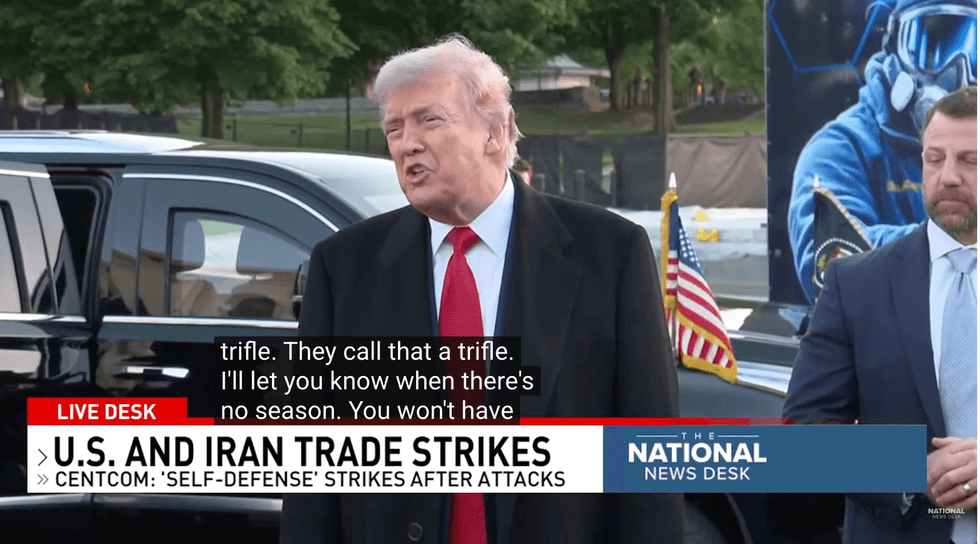
- Paul Meeks of Freedom Capital Markets told ET Now that Trump's rhetoric was "actually a lot nastier than we thought it was going to be," specifically citing threats of "bombing them into the stone age" and taking out electrical power plants.
- Trump reiterated a potential two- to three-week timeline for the conflict, but the aggressive tone has injected volatility into already fragile markets and raised doubts about containment.
- Crude oil prices have surged with US gasoline already above $4 per gallon, and Meeks warned rising crude and inflation will make it "very difficult" for the Fed to cut rates despite political pressure.
- Kevin Warsh, Trump's incoming Fed chair, will find it nearly impossible to deliver the rate cuts Trump expects, according to Meeks, because other countries will be raising rates to fight inflation, leaving the US unable to "go in the other direction."
- Meeks said he has seen price targets as high as $200 per barrel and US gas reaching $8 per gallon in scenarios where the Strait of Hormuz is blocked for an extended period — double or triple Trump's stated timeline.
- India and other oil-importing economies face heightened risk from a prolonged supply disruption through chokepoints like the Strait of Hormuz, according to the analysis.
Why it matters: The article exposes a structural Fed policy trap: Trump installed Warsh expecting rate cuts, but sustained crude prices near or above current levels would force the central bank to hold or hike — collapsing the political rationale for Warsh's appointment. A Strait of Hormuz disruption doubling or tripling the conflict timeline would push oil to $200/barrel, gas to $8/gallon, and trigger a cross-asset sell-off as equities and bonds reprice for persistent inflation.
Ask SkimNews