NATO Builds Baltic Watch as Hybrid Attacks Rise — SkimNews
Get the Geopolitics newsletter
Daily geopolitics — wars, elections, sanctions, the diplomatic moves that move markets. Free.
- Denmark’s Defense Intelligence Service said in September that Russia had intensified sabotage and destructive cyberattacks and was attacking European targets with drones; it also described Russian forces as increasingly aggressive toward NATO military units in the Baltic region.
- Russia fired flares at a Danish military helicopter from a frigate near Denmark’s coast on Sept. 14, the incident cited as the assessment’s most serious recent example of aggression toward NATO units.
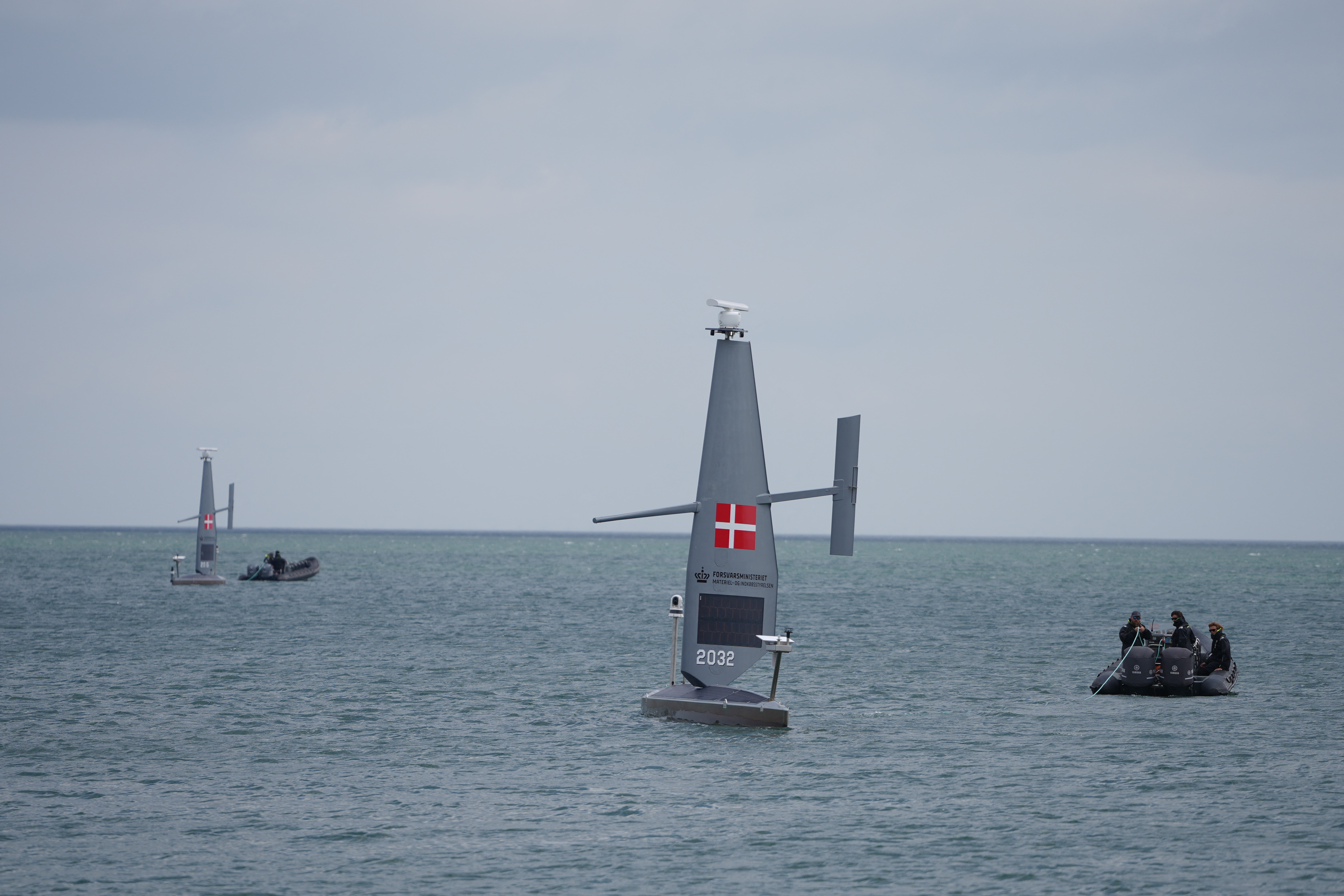
- NATO began Baltic Sentry in January 2025, after Germany created Commander Task Force Baltic in October 2024 and NATO Allied Command Transformation established Task Force X-Baltic; the initiatives cover naval coordination, maritime awareness and uncrewed-system and AI support for undersea infrastructure.
- Sweden authorized its military this summer to help Finland maintain territorial surveillance and integrity after drone incursions, with Finnish air assets leading sorties and Swedish counter-drone support identified as an area of cooperation.
- Kari Nisula said Russia’s wartime footing and concern about Ukrainian long-range strikes have driven air-defense and force-protection measures in the Baltic, making escalation control more difficult.
- Peter Boysen argued that detecting and identifying Russian activity lets NATO show Moscow it is known, calling visibility a route to de-escalation and warning that failure to act would establish a more intense “normal.”
- NATO officials remain divided over publicizing Russian hybrid threats: some say it aids the Kremlin’s effort to sow fear and erode support for Ukraine, while others say transparency keeps publics engaged and sustains backing for counter-Moscow efforts.
Why it matters: For Sweden and Finland, the central stakes are not only detecting Russian operations but calibrating responses to incidents such as the Sept. 14 flare incident near Denmark. Baltic Sentry, Task Force X-Baltic and Swedish support for Finnish drone surveillance show alliance coordination being used to lower a higher-intensity “normal” while preserving visibility of Russian activity.
Ask SkimNews