Cannabis Edibles + Alcohol: Synergistic Driving Impairment — SkimNews
Get the Health newsletter
Daily health & science — research, biotech, public health, the studies worth knowing. Free.
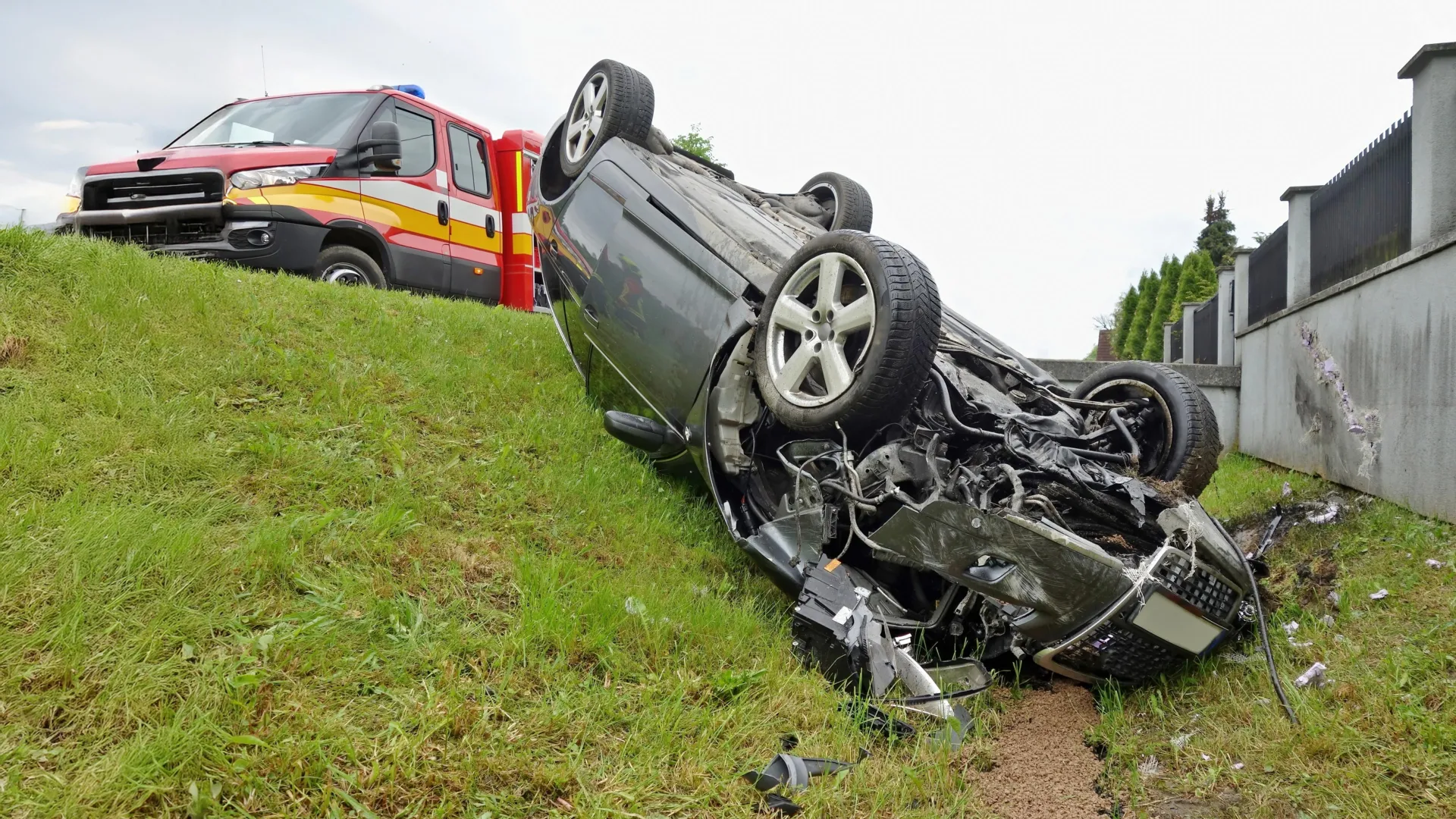
- Johns Hopkins Medicine study, published in JAMA Network Open, found that co-use of cannabis edibles and alcohol produced significantly greater driving impairment than either substance alone, with lead author Austin Zamarripa describing the interaction as "synergistic" rather than merely additive
- Principal investigator Tory Spindle said this is the first controlled study on cannabis edibles combined with alcohol, noting prior research had focused on smoked cannabis despite rising co-use of edible products
- Spindle added that consuming typical retail doses of cannabis edibles alongside even low alcohol doses can produce impairment comparable to — or greater than — alcohol alone at the U.S. legal 0.08% BrAC limit
- Standard field sobriety tests only flagged significant intoxication during the highest alcohol condition (0.08% BrAC) versus placebo, and often failed to detect cannabis-related impairment whether used alone or alongside alcohol
- The researchers concluded the 0.08% breath alcohol legal threshold "may not adequately reflect driving impairment" when alcohol is combined with cannabis
- The controlled trial enrolled 30 healthy adults ages 21-55 (25 completed all sessions) with prior co-use of both substances, testing brownies with 10 or 25mg THC against alcohol calibrated to 0.05% or 0.08% BrAC across seven sessions a week apart
Why it matters: As states expand cannabis legalization and edible products proliferate, the researchers' finding that the existing 0.08% BrAC legal threshold inadequately captures impairment from alcohol-cannabis co-use puts regulators and law enforcement on notice: a tool they rely on — the field sobriety test — failed to detect the cannabis half of the impairment in this controlled setting.
Ask SkimNews