Zelensky Issues One-Week Ultimatum to Belarus Over — SkimNews
Get the Geopolitics newsletter
Daily geopolitics — wars, elections, sanctions, the diplomatic moves that move markets. Free.
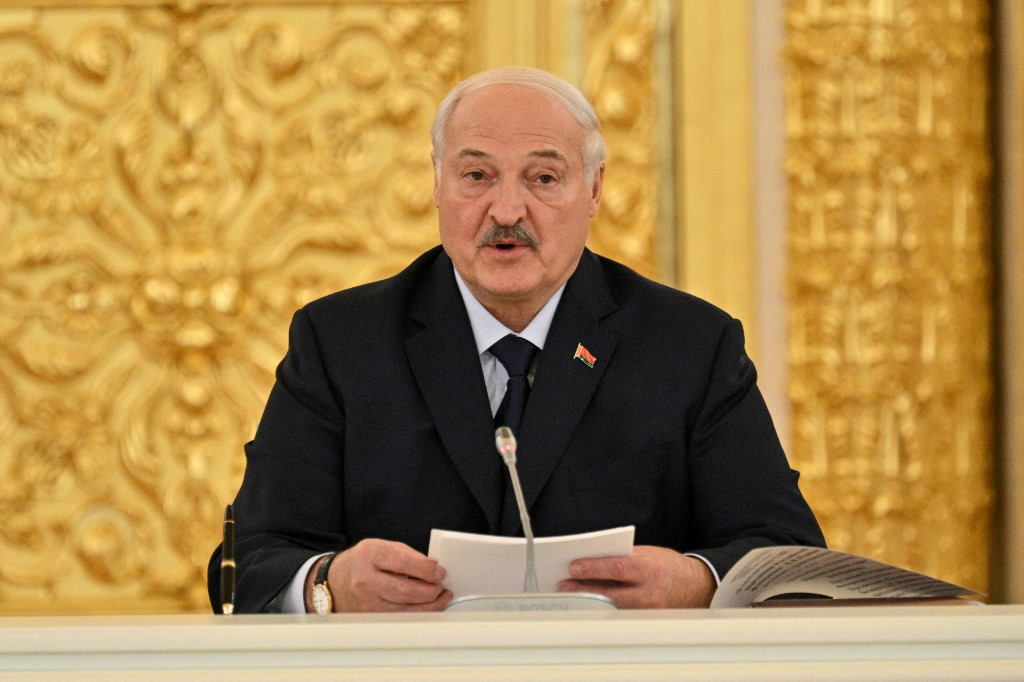
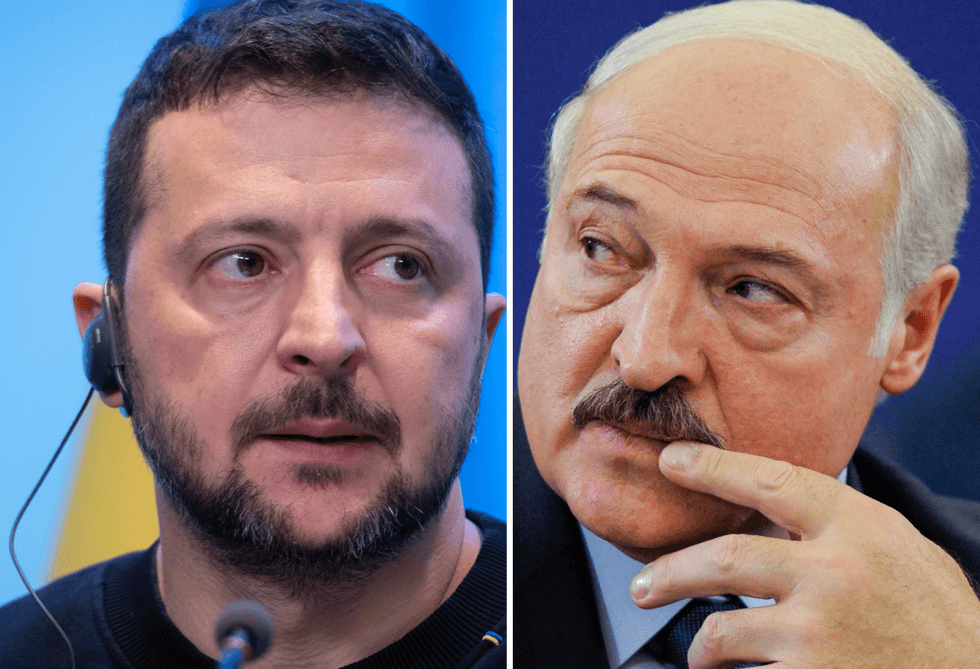
- Zelensky issued Belarus's Lukashenko a one-week ultimatum on June 19 to remove equipment assisting Russian drone targeting or face Ukrainian strikes, citing four signal relay stations on Belarusian communications towers.
- Russia has accused the Baltic states of permitting Ukraine to use 'air corridors' for drone launches into Russian territory; Latvia's envoy called the claim 'pure fiction' and Kyiv insists it never requested such use.
- A Romanian F-16 based in Lithuania shot down a Ukrainian drone in Estonian airspace on May 19 after it flew through Latvian airspace, an incident that risks drawing NATO's eastern flank directly into the war.
- Russia's Foreign Intelligence Service warned that NATO membership 'will not protect terrorist accomplices from just retribution' and that 'decision-making centers' in Latvia are known targets.
- Lukashenko responded to Ukraine's commander identifying 500 Belarusian targets by referencing 'one very serious target, with precise coordinates,' then apologized and said 'no military action should be expected from Belarus.'
- Experts Nicolai Petro (University of Rhode Island) and Alexander Hill (University of Calgary) told Responsible Statecraft that Zelensky's threats appear designed to provoke an escalation forcing NATO into direct military intervention.
- Ukraine's battlefield position is deteriorating: Russian advances have increased and the strategic city of Kostyantynivka is in danger of falling, which would put all of Donbas within Russia's reach.
Why it matters: Zelensky's ultimatum to a country hosting Russian tactical nuclear weapons and used as a launch pad for the 2022 invasion carries a direct escalation risk onto NATO's eastern flank, where the May 19 Estonian airspace incident already showed how a single miscalculation could trigger Article 5. Experts read the threat as a deliberate provocation to drag NATO in militarily—a strategy with no evident European backing. Meanwhile, Kostyantynivka's potential fall gives Zelensky a concrete military reason to seek external intervention rather than negotiate.
Ask SkimNews