Ray Dalio: Stocks Ignore Prolonged World War Risk — SkimNews
Get the Finance newsletter
Daily finance — markets, central banks, M&A, the prints that move money. Free.
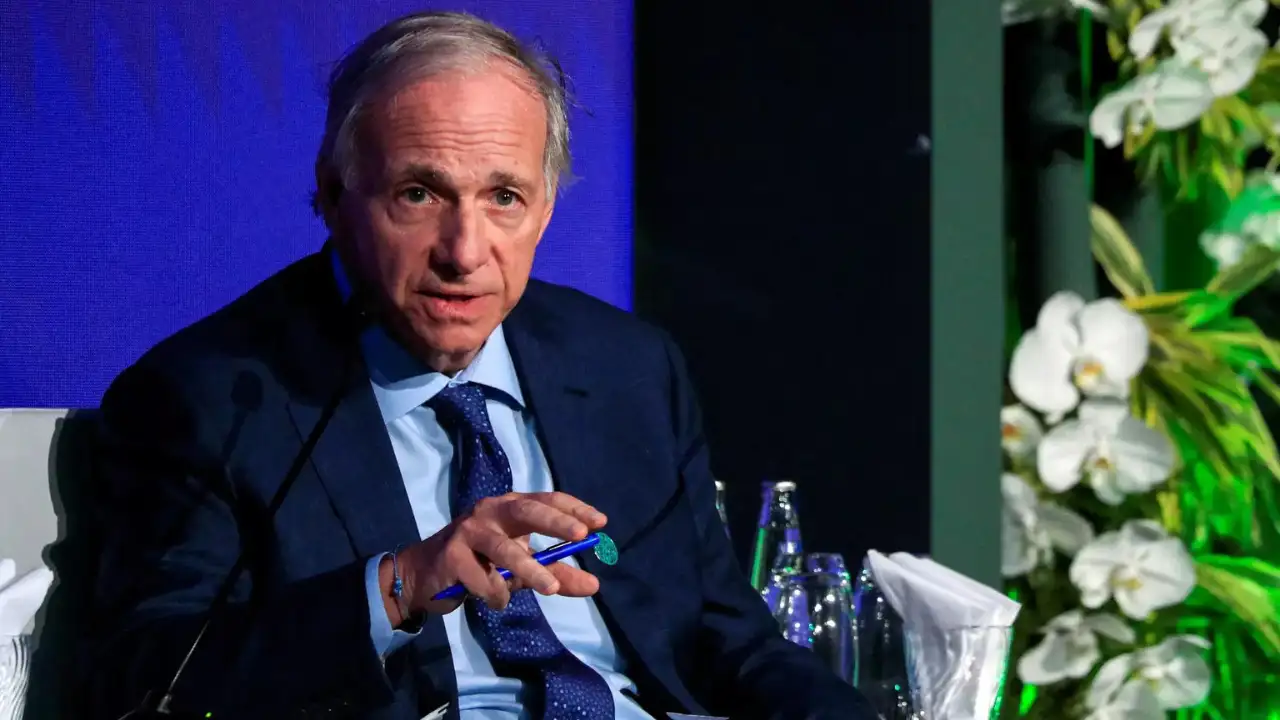
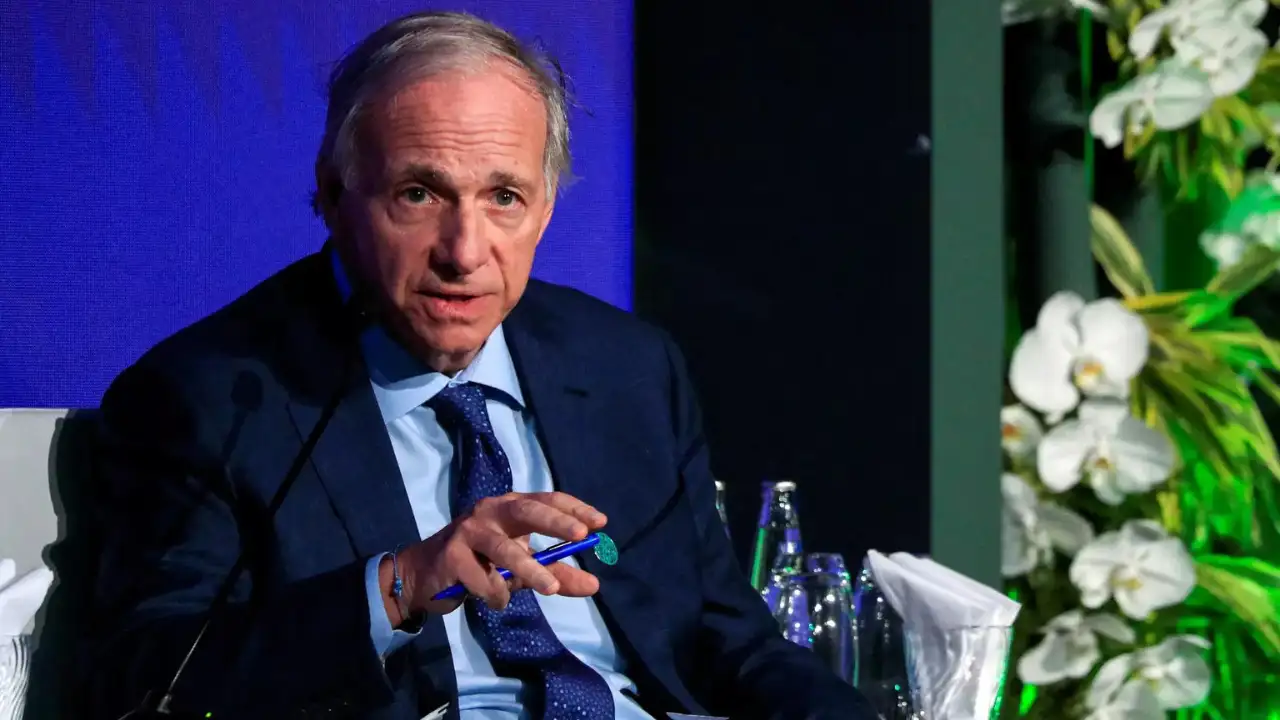
- Ray Dalio posted on X that investors are overly focused on near-term events like the Iran conflict while ignoring deeper structural shifts, writing that "markets are pricing in that this war won't last long and that when it ends we will get back to normal."
- Dalio characterized the current US-Israel-Iran conflict as part of a broader global confrontation spanning Eastern Europe, the Middle East, and Asia, describing it as "a classic world war dynamic without a formal declaration."
- Dalio compared the current phase to the years leading up to World War I and World War II, writing "we are in a transition stage from the pre-fighting stage to the fighting stage" and cautioning there is no precise timeline but indicators point to intensifying stress.
- Dalio flagged US overextension as a key concern, noting the US maintains hundreds of military bases across dozens of countries with commitments on multiple fronts, conditions he said have historically weakened leading powers.
- Dalio mapped the current alignment as China and Russia increasingly aligned with Iran against the US and its allies, a bloc structure reflected in diplomatic actions and economic ties that he said will shape both geopolitical outcomes and market trajectories.
- Dalio tied the environment to his "Big Cycle" framework, citing five converging forces: debt and monetary conditions, internal political divisions, shifts in global power, technological change, and external shocks such as pandemics or climate events.
- Dalio warned that during such periods, governments typically resort to higher borrowing, money creation, and financial controls to fund conflicts, which he said can distort markets and weigh on returns.
Why it matters: Dalio's core argument: equity markets assume a quick return to normalcy, but his historical pattern shows geopolitical fragmentation, rising debt, and shifting alliances coincide with weaker forward returns and elevated volatility. Investors positioned for a short conflict face structural repricing risk if governments resort to higher borrowing and money creation to fund prolonged confrontation.
Ask SkimNews