Managed Instability: Why Iran, Ukraine Wars Go On and On
Get the Geopolitics newsletter
Daily geopolitics — wars, elections, sanctions, the diplomatic moves that move markets. Free.
- The Iran war is beginning to resemble the Ukraine war in political logic — both began with expectations that overwhelming military force would produce a quick political result, and both saw those expectations fail when the targeted states adapted and outside supporters kept them afloat.
- Both conflicts have expanded beyond military operations into shared leverage tools, with the Strait of Hormuz and Black Sea marine transit, sanctions, deep strikes, and grain and energy exports all serving as bargaining instruments of war.
- Iran has backed Russia's war in Ukraine since 2022, while Russia now provides Iran with military technology and targeting assistance; Ukraine is exporting anti-drone expertise to Gulf states, and the same Western missile interceptors are being stretched by both wars.
- Russia continues to attack along a roughly 1,200-kilometer front without achieving a decisive breakthrough, while Ukraine has been unable to restore all its territory by force — a deadlock that pushed fighting into ports, energy infrastructure, deep strikes, and the shadow fleet.
- Outside actors including China, the EU, Central Asian states, and Gulf trade hubs quietly benefit from managed instability — China gains access to discounted Russian markets, the EU benefits from Russia containment, and Gulf and Central Asian hubs profit from rerouted trade and capital inflows leaving Russia.
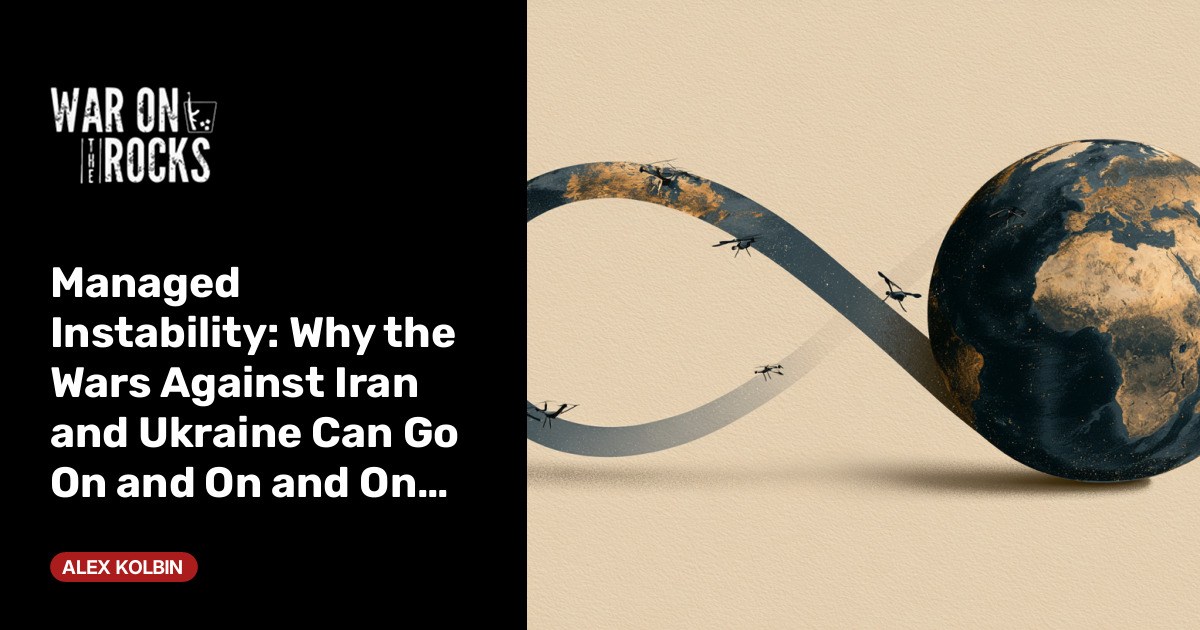
- The 'managed instability' framework frames both wars as the inverse of William Zartman's 'ripeness theory' — the danger is not that key actors conclude the conflict 'can't go on like this' but that they may decide it absolutely can.
Why it matters: Russia avoids admitting campaign failure while waiting for Western political change; Ukraine cannot accept territorial losses; outside powers like China, the EU, and Gulf trade hubs quietly benefit from rerouted trade and discounted Russian markets. Because Iran and Russia materially support each other's wars and share strained Western missile interceptors, escalation in one theater directly shifts leverage in the other, lowering the odds of either war ending in isolation.
Ask SkimNews