Environmental defenders remain among world’s most targeted activists — SkimNews
Get the Energy newsletter
Daily energy & climate — solar, EVs, oil, the policy fights and tech bets shaping the transition. Free.
- Front Line Defenders reported that at least 358 human rights defenders were killed in 2025, with 84 of those killed — nearly a quarter — targeted for their work protecting land and the environment across 14 countries including Brazil, Colombia, Ecuador, India, and the Philippines.
- Indigenous-rights defenders accounted for an additional 17% of the killings tracked separately from environmental defenders, while nearly 4,000 nonlethal attacks — surveillance, arbitrary detention, enforced disappearances, torture, smear campaigns — were documented across 119 countries.
- The Inter-American Court of Human Rights issued a landmark advisory opinion on climate change affirming that governments have legal obligations to protect environmental defenders, building on a broader shift in which more than 165 countries now recognize a human right to a clean, healthy, and sustainable environment.
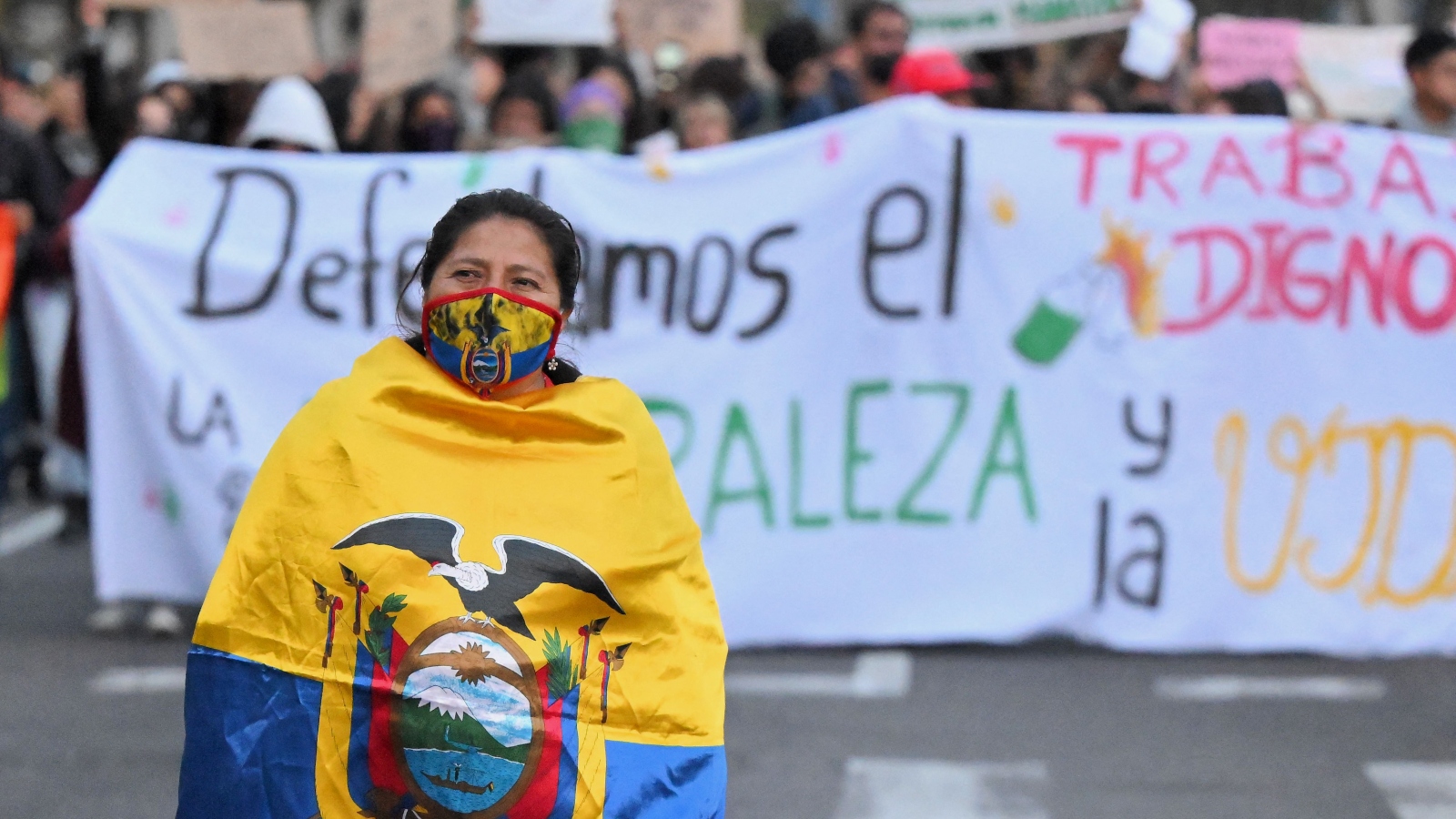
- Efraín Fueres, a 46-year-old Ecuadorian community leader, was gunned down during nationwide protests against pro-extractive-industry government moves; video shows armed officers from a military vehicle then kicking a companion kneeling over his body, with neither Ecuador's consulate nor its public prosecutor responding to comment requests.
- The report identified an emerging pattern of "economies of violence" — overlapping networks of government officials, corporations, criminal groups, and private security forces that retaliate against defenders challenging mining, logging, oil and gas, and agribusiness, with criminal charges and retaliatory lawsuits increasingly used as tools of suppression.
- The authors flagged China, the Democratic Republic of Congo, and Iran as countries where internet blackouts, media suppression, and closure of civic space make attacks on defenders impossible to document, indicating the true toll is likely far higher than reported.
Why it matters: With 84 environmental defenders killed in a single year and nearly 4,000 facing nonlethal attacks, the data shows that landmark court rulings recognizing the right to a healthy environment have not translated into physical safety for those defending it. Communities in 14 countries where killings were documented face a pattern where extractive industries impose projects without free, prior, or informed consent — backed by governments, corporations, and criminal networks operating with near-total impunity.
Ask SkimNews