FERC Sets September Deadline to Impose PJM Reforms — SkimNews
Get the Energy newsletter
Daily energy & climate — solar, EVs, oil, the policy fights and tech bets shaping the transition. Free.
- FERC gave PJM Interconnection until the end of September to agree to governance reforms or have them imposed, Chairman Laura Swett said Thursday, calling the grid operator's situation a 'grave legitimacy crisis' with some transmission owners openly discussing leaving the RTO.
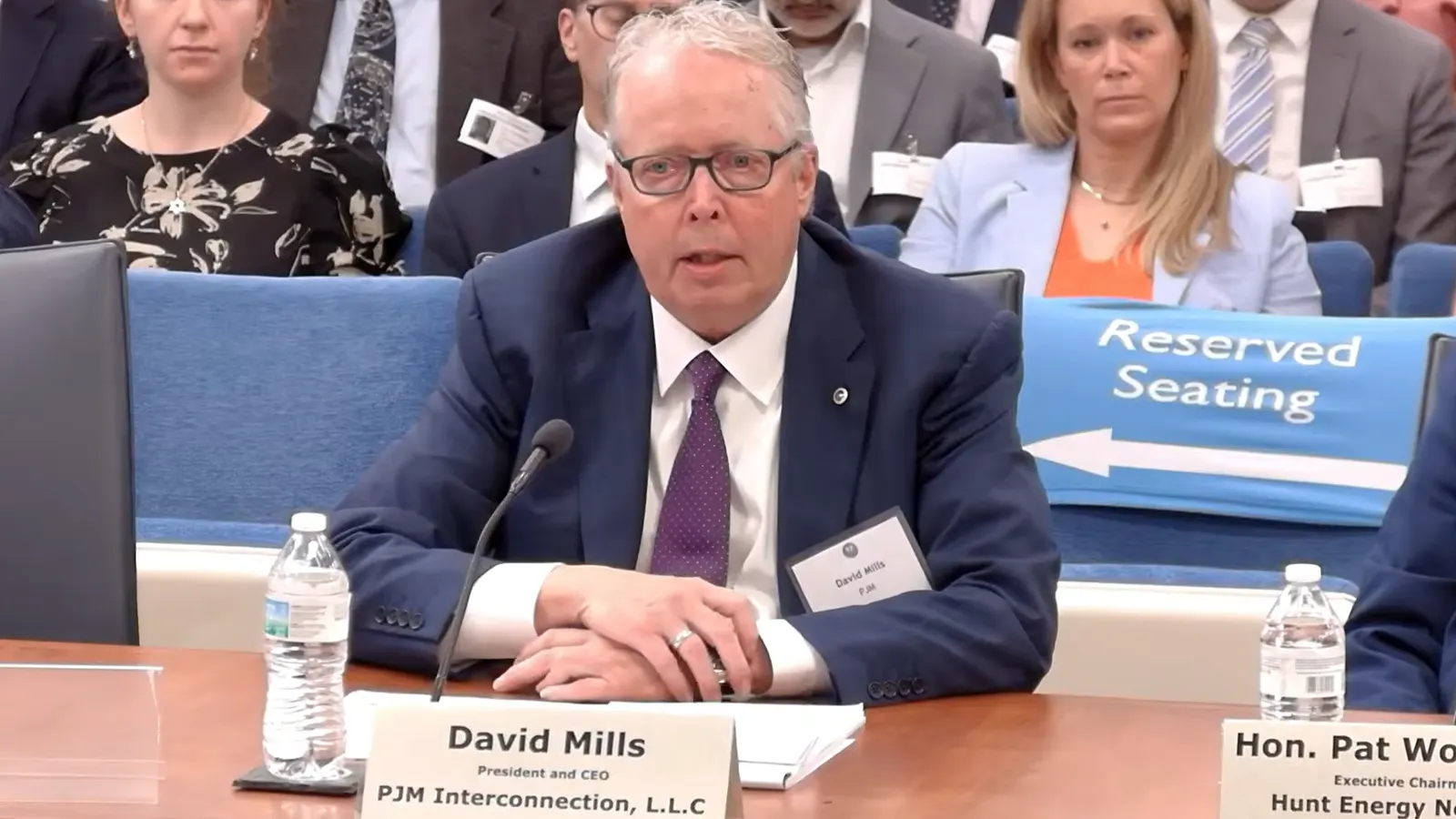
- PJM President and CEO David Mills, who officially took the role in May after serving as interim, committed to 'rise to the challenge' including capacity market reform, after the past two capacity auctions failed to attract significant new generation.
- Data center demand outpaced supply on PJM's system two years ago, spiking capacity prices and pushing some utilities' rates up 20% or more across the 13 Mid-Atlantic and Midwest states (plus DC) PJM serves, intensifying governance problems that had been 'festering for years,' PSEG's Jodi Moskowitz said at the conference.
- American Electric Power, which earlier this year said it is considering leaving PJM, supports giving states a bigger role, shifting to an advisory stakeholder structure, and expanding PJM's filing rights, according to SVP Stacey Burbure.
- PJM states lack Section 205 filing rights at FERC—unlike states in all other RTOs—and have proposed two new interaction pathways: a panel of state utility regulators and a separate panel of policymakers, per Pennsylvania Deputy Secretary of Policy Jacob Finkel.
- Joseph Bowring, PJM's independent market monitor at Monitoring Analytics, argued the most meaningful reform would be 'firmly and clearly establishing public interest in PJM's mission,' questioning whether staff serve members or the public interest.
- Former FERC member Mark Christie said he was 'cautiously optimistic' about fundamental changes but believes stakeholders will not reach agreement, meaning FERC will likely have to craft and impose reforms itself.
Why it matters: FERC's September deadline puts America's largest grid operator on a hard clock: if PJM's members can't agree on governance fixes by month-end, FERC will impose them, fundamentally shifting power from member utilities toward states and an independent board. The stakes are concrete—some utilities have already raised rates 20%+ after a data-center-driven capacity price spike, and AEP is openly weighing an exit, meaning failure to reform could trigger the first major RTO fragmentation in years.
Ask SkimNews