Trump Scraps Iran Strikes as Gulf Allies Push for Deal

Get the Geopolitics newsletter
Daily geopolitics — wars, elections, sanctions, the diplomatic moves that move markets. Free.
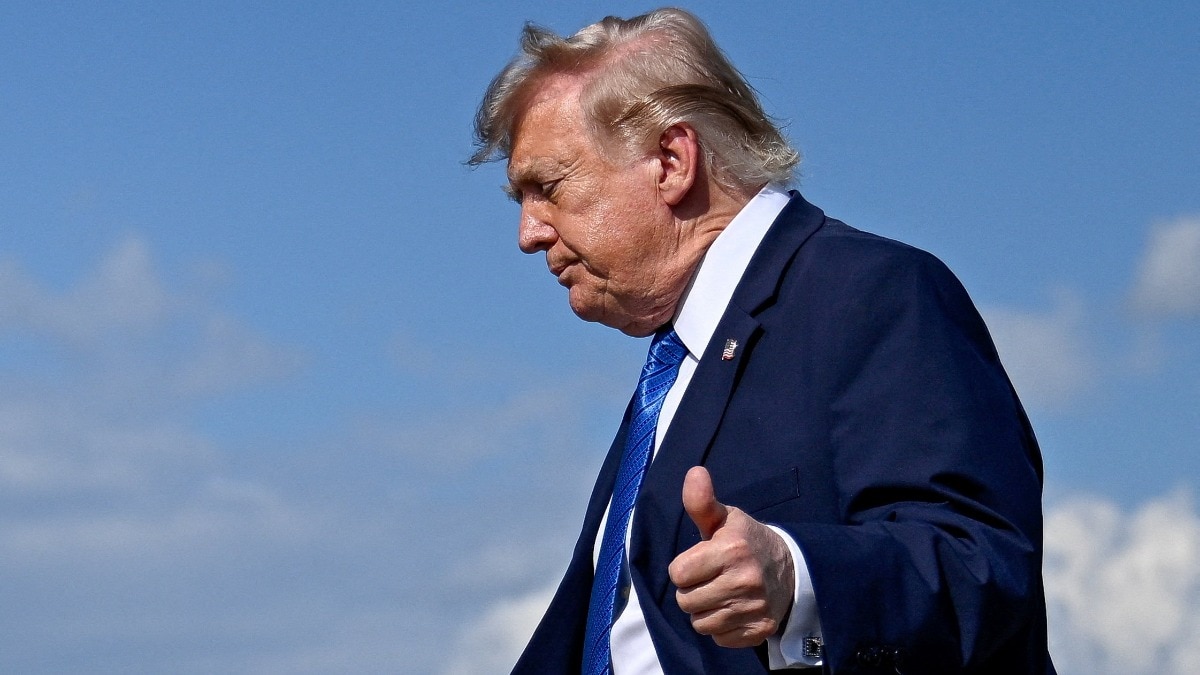
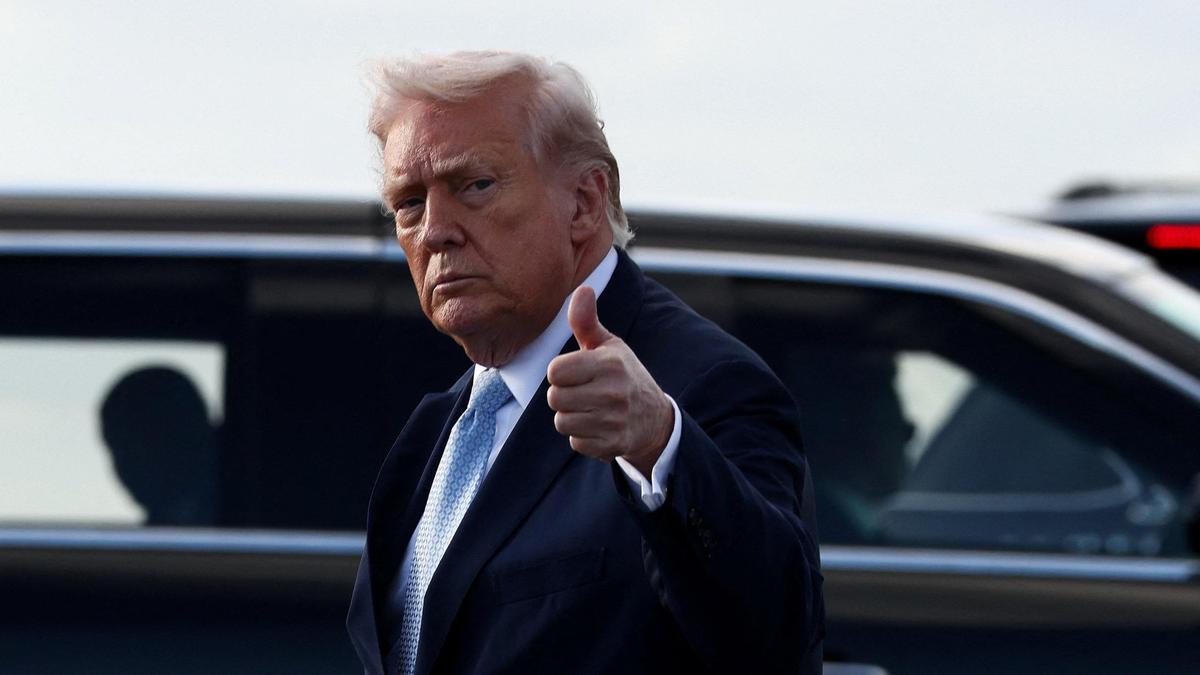
- Trump announced on August 2, 2026 that he had cancelled planned strikes on Iran at the urging of Saudi Arabia's Crown Prince Mohammed bin Salman, Qatar, and the UAE, telling reporters the Gulf leaders 'would much prefer a deal as opposed to an attack.'
- The proposed deal would reopen the Strait of Hormuz, resolve U.S. concerns about Iran's nuclear programme, end the U.S. naval blockade on Iran, and allow Tehran to resume oil exports under the tentative ceasefire framework.
- Iran's Foreign Ministry spokesperson Esmail Baghaei said the Strait of Hormuz 'will in no way return to the status it was before February 28,' adding Iran is discussing shipping arrangements with Oman but not reopening the waterway.
- Saudi Crown Prince Mohammed bin Salman warned Trump that escalation could severely damage the global economy if Tehran retaliated by targeting Gulf allies, and flagged Kuwait as especially vulnerable to Iranian-backed militias in Iraq.
- Trump has announced halts to strikes on Iran multiple times since the February 28 war began, only for fighting to resume — a pattern that recurs with this latest cancellation despite his claim that negotiations would resume 'tomorrow afternoon.'
- Israel is joining Trump's commitment to end the war by implementing the June ceasefire deal, though Israel made no public comment on the announcement and a power struggle is reportedly brewing within Iran's leadership over whether to negotiate at all.
Why it matters: The Saudi Crown Prince's intervention reveals that Gulf states facing potential Iranian retaliation now hold direct sway over U.S. military escalation decisions. With Trump having reversed course on strikes multiple times since the February 28 war began — and Iran publicly denying the Strait can return to pre-war status — the 'perimeter of a deal' Trump announced looks more fragile than his confident framing suggests.