Trump Cancels Iran Strikes After Gulf Leaders Urge Diplomacy — SkimNews
Get the Geopolitics newsletter
Daily geopolitics — wars, elections, sanctions, the diplomatic moves that move markets. Free.
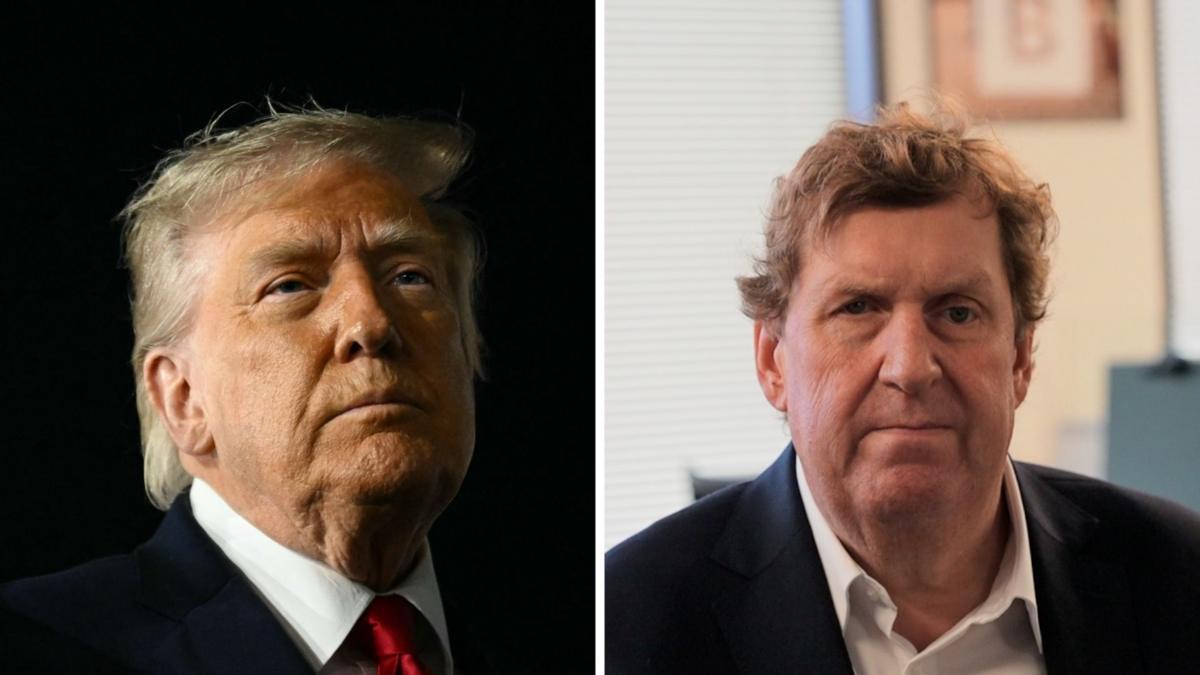
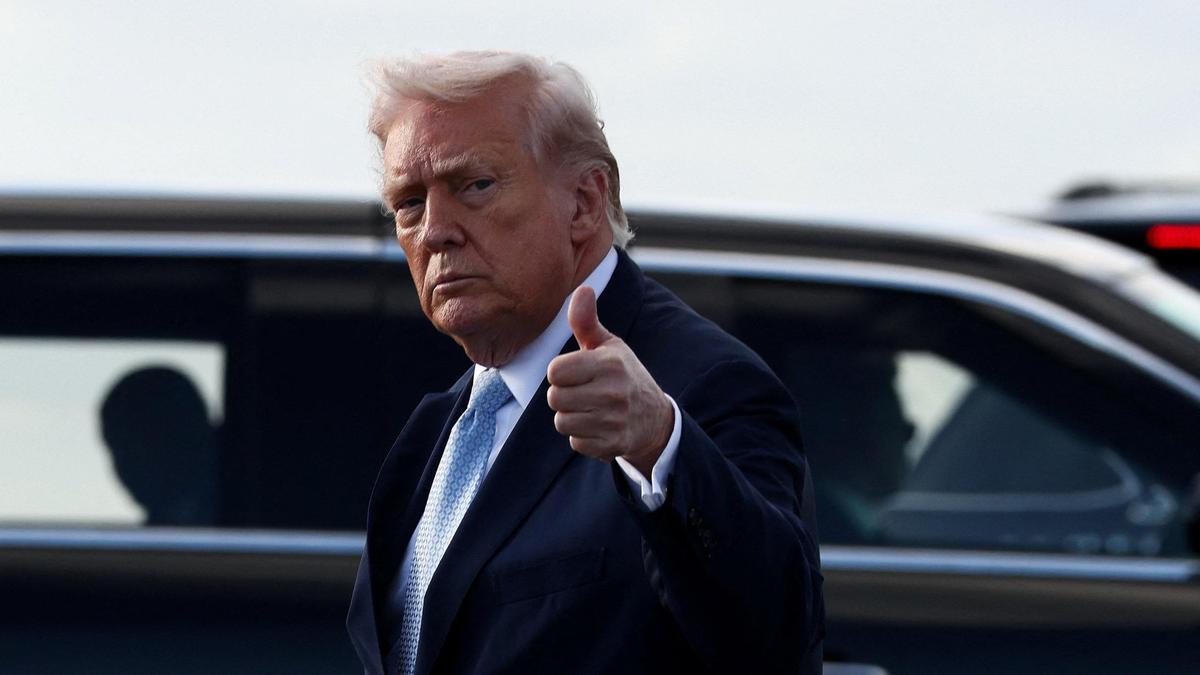
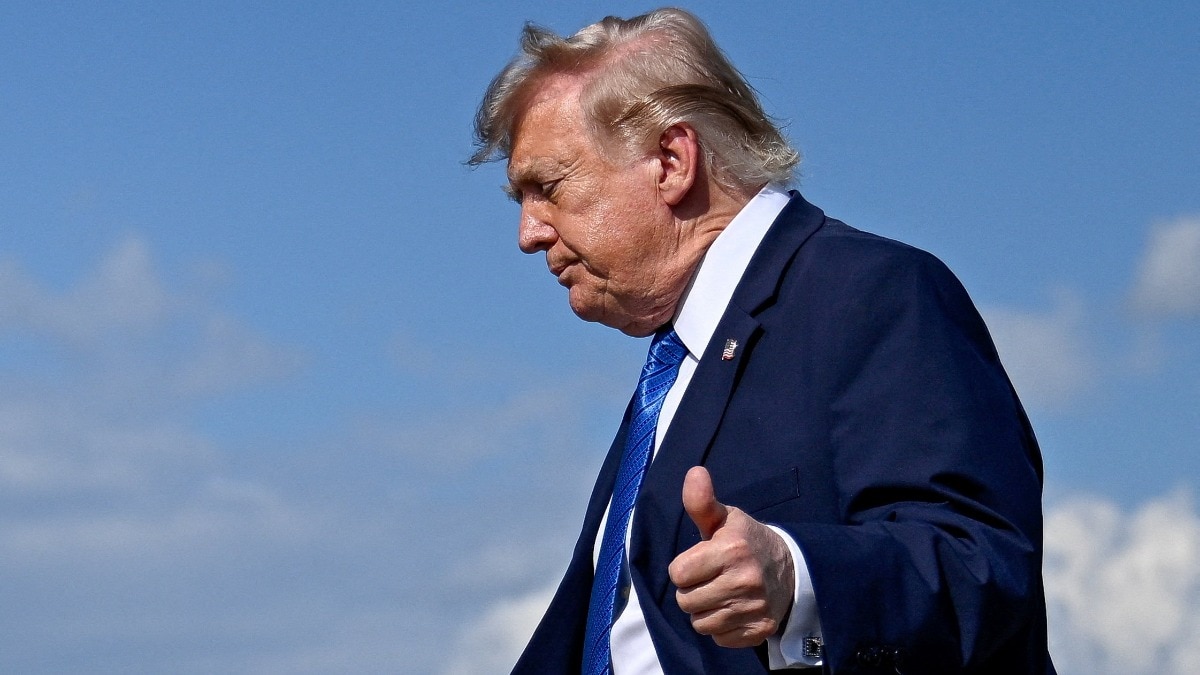
- Trump cancelled planned military strikes on Iran, announcing the reversal on social media early Sunday after Gulf mediators presented a proposal to reopen the Strait of Hormuz.
- Qatar led the renewed mediation, presenting Iranian officials with a revised proposal on Saturday aimed at reopening the strait, through which roughly 20% of global oil supplies pass.
- Saudi Crown Prince Mohammed bin Salman spoke with Trump just hours before the announcement, urging dialogue to reduce regional tensions, with Riyadh calling diplomacy the 'best path forward.'
- The UAE privately took the opposite stance, encouraging Trump to adopt a tougher military posture and believing the IRGC would not compromise without stronger US pressure including potential ground operations.
- Iranian Foreign Minister Abbas Araghchi warned counterparts in Saudi Arabia, Turkey, and Pakistan that Tehran would respond forcefully to any US or Israeli attack, with Washington bearing responsibility.
- Iran had previously insisted on controlling at least part of both shipping lanes; an unresolved sticking point is Iran's demand to collect tolls from vessels passing through the waterway, which Washington strongly opposes.
- Trump faces domestic political pressure, with polling showing prolonged conflict with Iran is unpopular among American voters and could weigh on Republican midterm prospects.
Why it matters: The diplomatic opening rests on unresolved disputes: Iran's toll demand on the roughly 20% of global oil passing through the Strait of Hormuz remains on the table, while the UAE is privately pushing a harder line than Saudi Arabia, leaving the Gulf coalition split on strategy. With Republican midterm prospects vulnerable to a prolonged Iran conflict, Trump's room to strike depends on whether the Gulf stays united long enough to close a deal.
Ask SkimNews