U.S. Halts Iran Strikes as Diplomats Seek Off-Ramp — SkimNews

Get the Geopolitics newsletter
Daily geopolitics — wars, elections, sanctions, the diplomatic moves that move markets. Free.
- U.S. military paused airstrikes on Iran after nearly two weeks of bombing and 13 consecutive nights of strikes, with diplomatic efforts underway to prevent a return to all-out war as the conflict reaches its five-month mark.
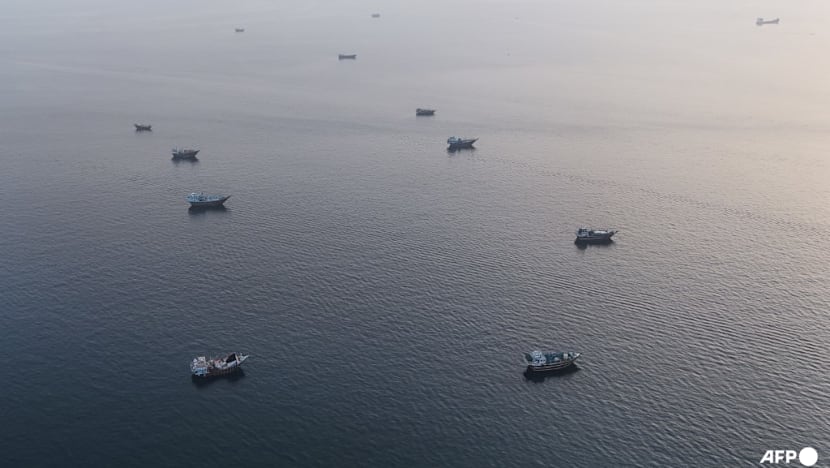
- Mediators are negotiating a compromise centered on Iran running vessel transit through the Strait of Hormuz — through which 20% of the world's oil normally flows — with fewer restrictions on ships, according to a regional official involved in the diplomacy.
- Iran and Oman held several rounds of technical talks in Tehran over the weekend about the strait, per Iran's Foreign Ministry spokesperson Esmail Baghaei, who said the Omani delegation left Saturday afternoon but that progress was made.
- Israeli Prime Minister Benjamin Netanyahu is set to visit Trump in Washington next week; Israel, which launched the war alongside the U.S. on Feb. 28, has been notably absent from renewed American attacks aimed at Iran's coastal defenses and bridges.
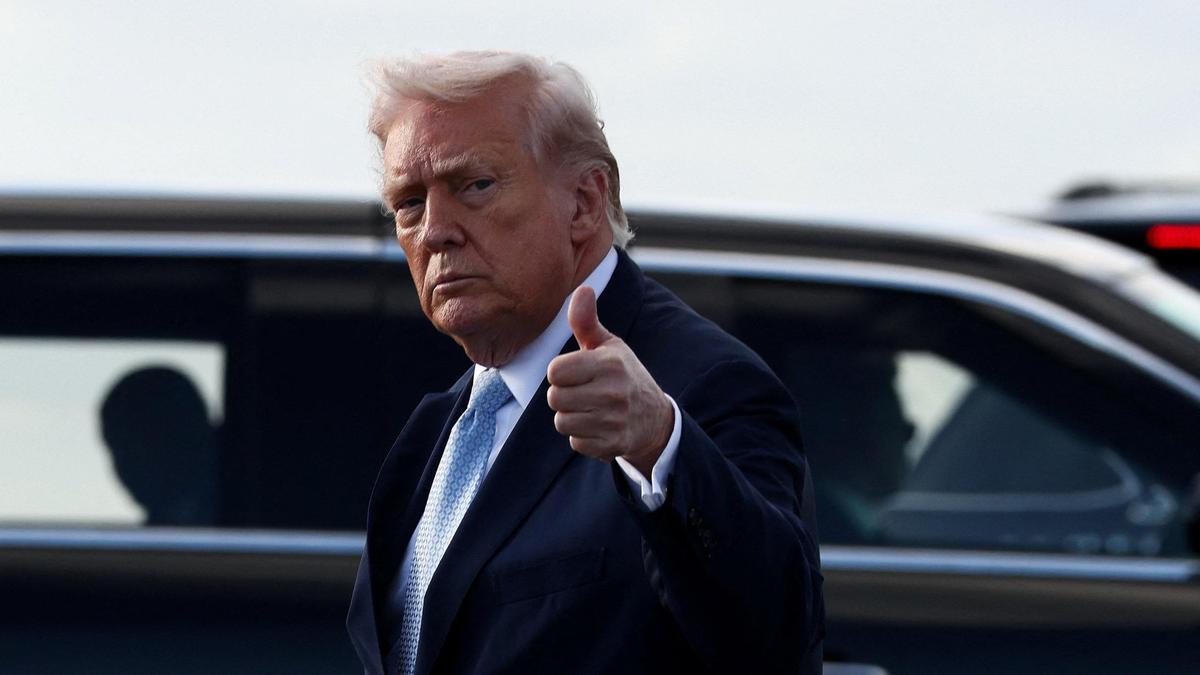
- Trump told reporters Friday there are two options — keep dismantling Iran "piece by piece" or negotiate — and insisted he is "not in a hurry" to wrap things up despite November midterm concerns over high gas and food prices.
- Yemen's Houthi rebels fired missiles and drones at Saudi Arabia on Saturday and claim to have closed the Bab el-Mandeb Strait, which has grown more vital for Saudi oil exports since the Hormuz disruption.
- U.S. naval forces enforcing a blockade of Iranian ports disabled a Mozambique-flagged ship in the Gulf of Oman on Friday after the vessel tried to violate the blockade and ignored warnings.
Why it matters: With 20% of global oil normally flowing through the Strait of Hormuz, the outcome directly affects gas prices already weighing on American consumers and Republican lawmakers ahead of November's midterm elections. Iran's fractured leadership complicates any compromise, as hardliners may view concessions to Washington as weakness that could loosen their grip on power.
Ask SkimNews