US, Iran pause strikes second day for ceasefire talks — SkimNews

Get the Geopolitics newsletter
Daily geopolitics — wars, elections, sanctions, the diplomatic moves that move markets. Free.
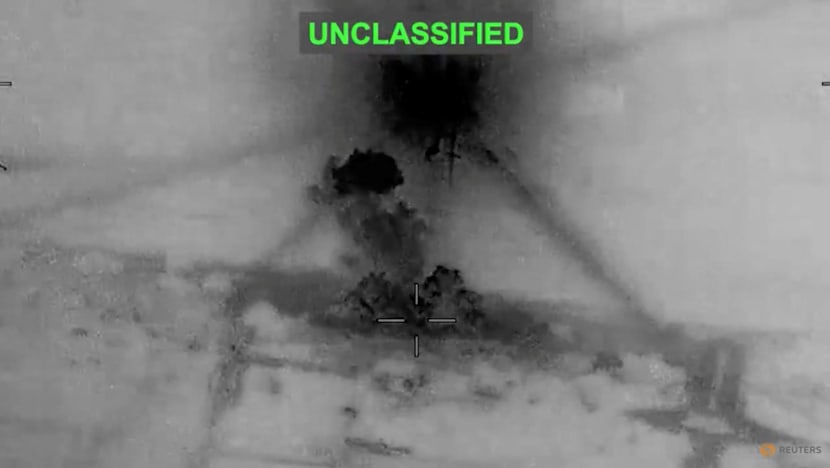
- United States and Iran paused attacks for a second straight day Sunday as efforts continued to return to negotiations on an interim ceasefire deal undermined by recent exchanges of fire, the escalation sparked by Iran firing at ships in the Strait of Hormuz and U.S. strikes on Iranian coastal areas and infrastructure over nearly two weeks.
- Mike Waltz, the U.S. ambassador to the United Nations, told Fox News Trump is 'giving talks some space' and that negotiators from Oman, Iran, and the U.S. have engaged at every level, while dismissing expert concerns that the U.S. interceptor stockpile is running low.
- Iran counterattacked against countries hosting U.S. military forces in recent days, killing at least three service members at a base in Jordan and one in Iraq, while commercial shipping traffic on the Strait of Hormuz sits at a three-week low and gasoline prices have risen.
- A compromise under negotiation centers on Iran managing vessel transit through the Strait of Hormuz with fewer restrictions on ships, according to a regional official involved in mediation who called the strike pause a 'positive signal' that helps de-escalation efforts; the 60-day interim deal period that began in mid-June is now in its second half.
- The U.S. naval blockade against Iran continued Saturday, with a dozen commercial ships redirected, two disabled, and two boarded, even as Iran's Foreign Ministry said talks with Oman on safe passage through the strait had made progress.
- Israeli Prime Minister Benjamin Netanyahu plans to meet Trump in Washington on Tuesday and told Fox News he 'fully' backs Trump's efforts to weaken Iran's nuclear program, warning that another Iranian attack on Israel 'will make a terrible mistake,' while the conflict has broadened with Houthi strikes on Saudi oil installations and Iran accusing Ukraine of targeting a vessel in the Caspian Sea.
Why it matters: Both sides are acknowledging unsustainable costs — Iran has killed four U.S. service members in neighboring countries, experts question U.S. interceptor stockpiles, and Strait of Hormuz shipping has dropped to a three-week low. A deal under negotiation would let Iran manage vessel transit with fewer restrictions, potentially easing energy and shipping disruptions that have pushed gasoline prices higher.
Ask SkimNews