Trump Halts Iran Bombing; Iran Says It Still Controls Hormuz — SkimNews
Get the Geopolitics newsletter
Daily geopolitics — wars, elections, sanctions, the diplomatic moves that move markets. Free.
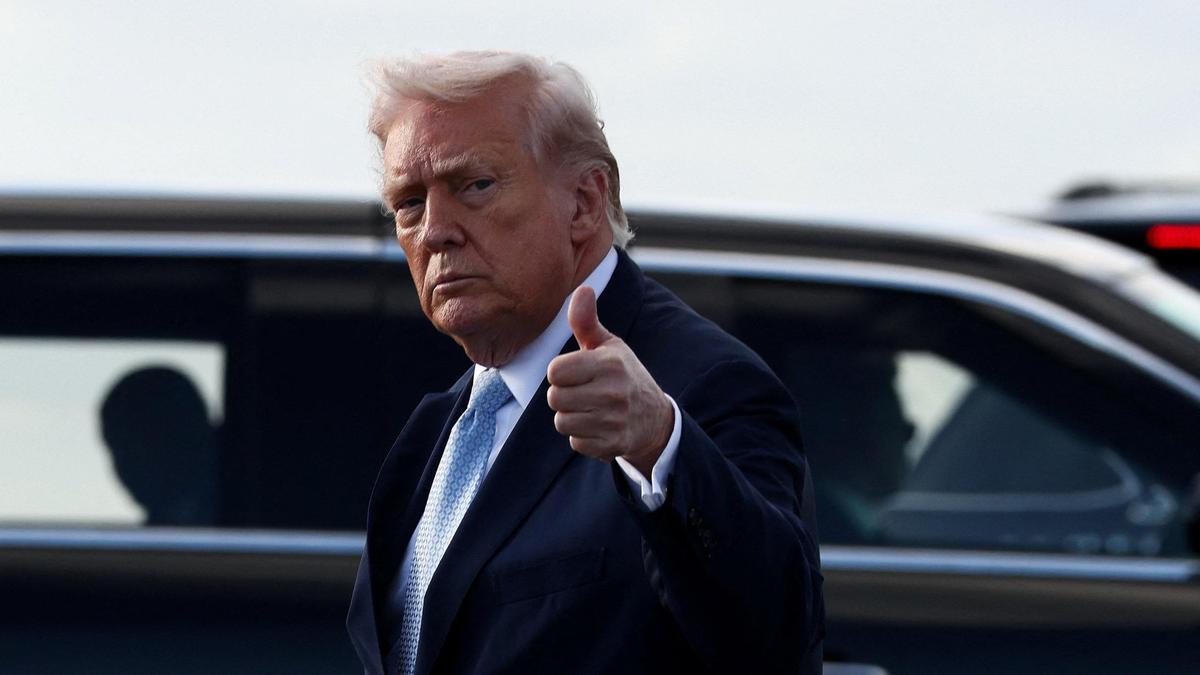
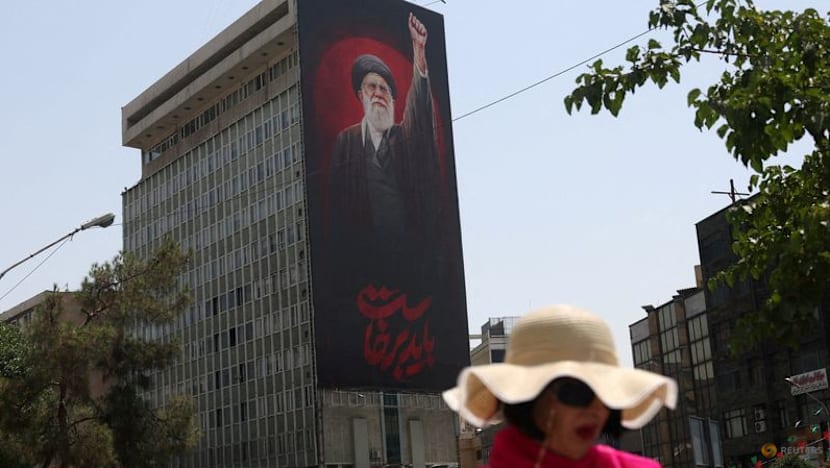
- Iran declared on Monday it still controls the Strait of Hormuz and is not seeking to resume peace talks with the US, telling vessels that only a route "specified by Iran" is safe—an assertion that directly contradicted US Ambassador Mike Waltz's claim that Trump paused the campaign to allow room for negotiations.
- Trump's top brass, including Joint Chiefs Chairman Gen. Dan Caine, recommended halting the campaign after 13 successive nights of bombing, telling the president they had run out of targets and were concerned about the depletion of air-defence weapons used to protect US bases in the region.
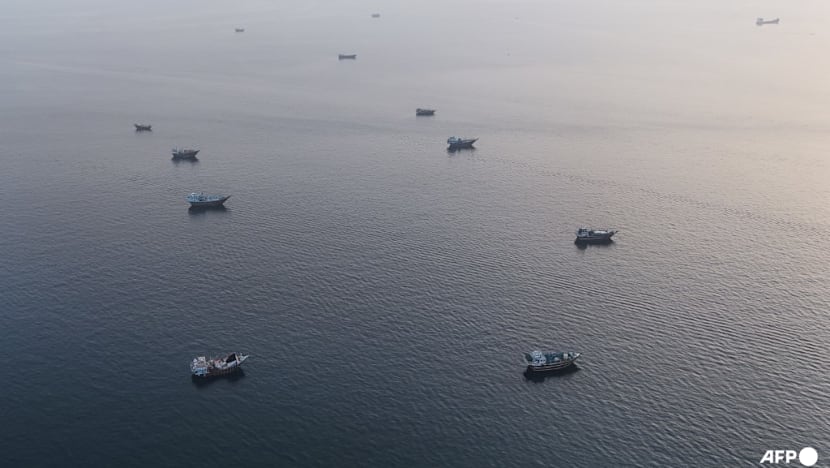
- Iranian state media reported six "offending ships" were turned back on Monday morning, with one suffering "an accident," in a coordinated display intended to show the US bombing campaign had failed to dislodge Tehran's grip on the world's most important energy chokepoint.
- Brent crude fell roughly 7.8% to just under US$90 a barrel on Monday after briefly topping US$100 last week, as traders priced in the prospect of normalized flows through the strait—even as Iran signalled no such normalization was coming.
- The two-week campaign killed scores of people in Iran and destroyed bridges and southern infrastructure; Iran retaliated by striking civilian targets in Gulf countries and killing four US service members in return fire on US bases.
- Iran and Oman are negotiating a separate arrangement to formalize Tehran's control over the strait, with an Omani delegation in Tehran over the weekend; the June US-Iran framework for end-of-August talks remains deadlocked over disputed language about Hormuz transit rights.
Why it matters: The bombing pause leaves Trump with no clear path to break Iran's hold on the Strait of Hormuz: Tehran refuses talks, turned back six ships Monday to prove the point, and is pursuing a separate arrangement with Oman. US commanders told the president they had run out of targets and worried about air-defence weapons depletion—narrowing American options while leaving Iran in control of the lane that carries roughly a fifth of global oil.
Ask SkimNews