India Proposes Stricter Penalties After NEET Protests — SkimNews

Get the Geopolitics newsletter
Daily geopolitics — wars, elections, sanctions, the diplomatic moves that move markets. Free.
- India's government introduced amendments in parliament on Monday to the 2024 Public Examinations Act, raising the minimum prison term for culprits from three to five years and hiking the maximum fine five-fold from 10 million rupees ($104,000) to 50 million rupees ($522,000).
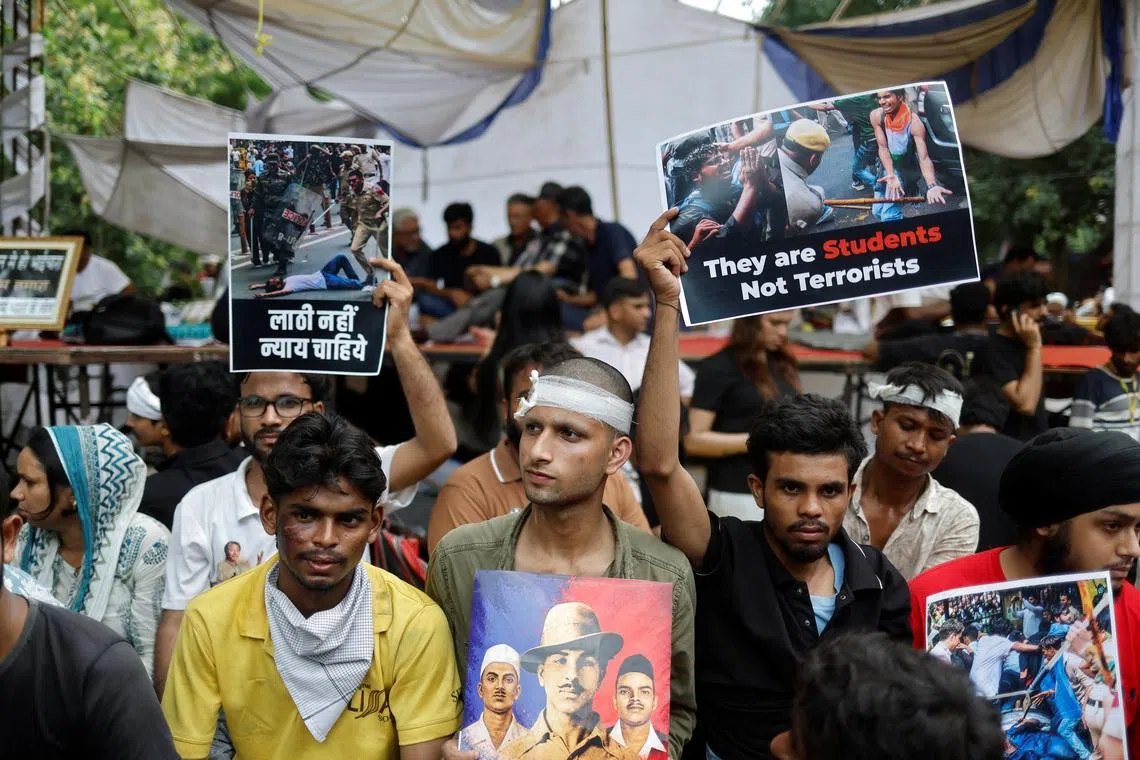
- The NEET medical entrance exam was cancelled after question papers were leaked, forcing about 2 million candidates to retake the test; more than a dozen student suicides were linked to the cancellation, prompting protests by tens of thousands in Delhi and other cities.
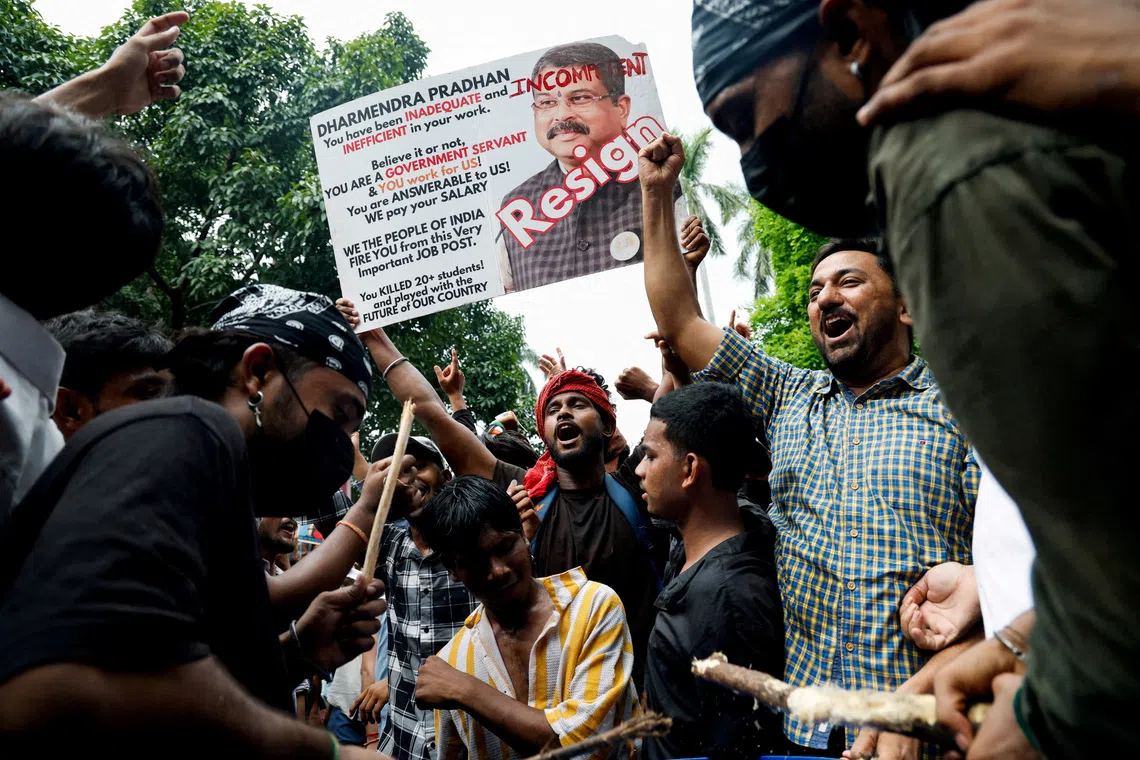
- Education Minister Dharmendra Pradhan resigned last week amid the fallout, while PM Modi announced special courts dedicated to prosecuting those involved in the leaks.
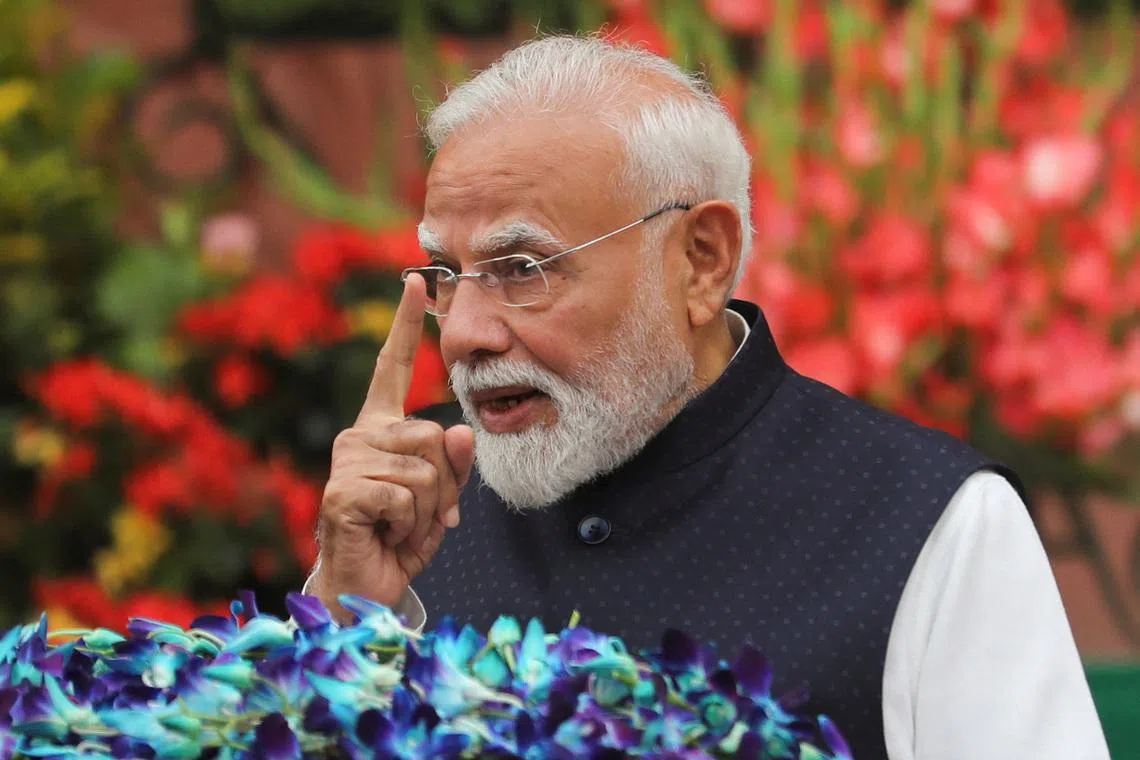
- Modi separately announced a high-powered panel headed by Nandan Nilekani—the entrepreneur behind India's Aadhaar digital ID system and Infosys co-founder—to leverage technology for exam-system credibility.
- A prior expert panel formed after the 2024 NEET leaks submitted 101 recommendations in October, but key suggestions including a shift to computer-based testing and multiple-shift exams remain unimplemented, the committee's head told the Supreme Court in May.
Why it matters: The proposed amendments quintuple fines and double firm bans, signaling the government is treating exam fraud as a criminal enterprise rather than administrative failure. The creation of a Nilekani-led tech panel reflects a shift toward digital identity infrastructure as the backbone of exam integrity. Yet with a 2024 panel's 101 recommendations still partly unimplemented, the gap between announced reforms and on-the-ground delivery remains the core risk for the 2 million students whose careers hinge on a credible testing system.
Ask SkimNews