FAO Warns of Food Price Surge by Year-End — SkimNews
Get the Geopolitics newsletter
Daily geopolitics — wars, elections, sanctions, the diplomatic moves that move markets. Free.
- Maximo Torero, chief economist at the UN Food and Agriculture Organization, told Reuters he expects commodity prices to rise now and food prices to follow by year-end and into next year, driven by wars in Iran and Ukraine, El Nino, and energy disruptions
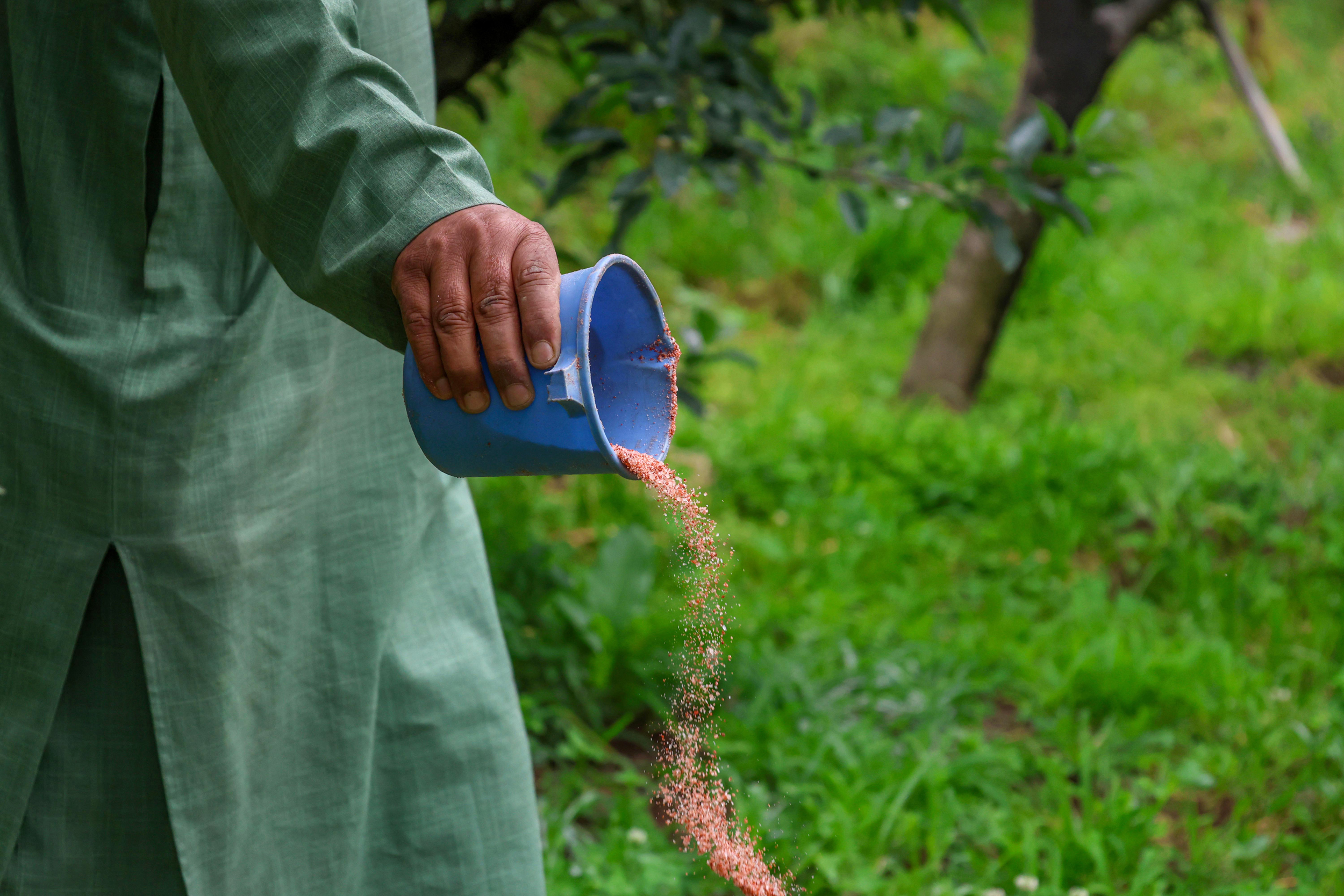
- The Strait of Hormuz disruption affects all agricultural inputs, Torero said — Brent oil is used for pumping, packaging, processing, and transportation, while natural gas is used for fertilizers
- Ukraine's damage to Russia's oil and gas infrastructure is curtailing export markets for diesel and natural gas, both key inputs in food production, with the pain spreading globally because commodity prices are worldwide
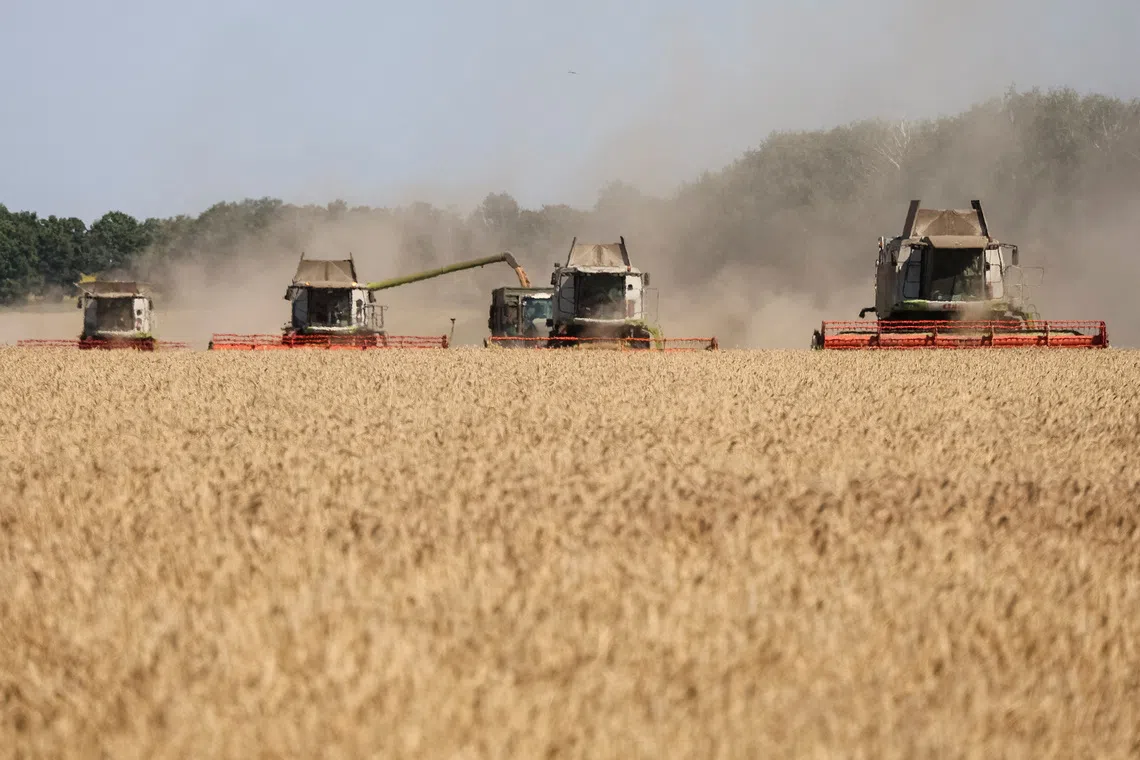
- Global wheat and corn planting was already cut in the first three months of the Iran war, and some U.S. producers have shifted to soybeans because they require lower fertilizer inputs
- The American Farm Bureau Federation projects that without federal assistance, U.S. farmers growing nine principal crops may lose $32 billion in 2027, with every crop analyzed projected to remain below breakeven on a per-acre basis
- Australia, one of the world's top crop exporters, said winter crop production is seen down 21%, partly because of significant increases in fuel and fertilizer prices and uncertainty over input availability
- India's monsoon is already delayed, with below-average rainfall forecast this month, a potential hit to rice production that could ripple through global commodity costs
Why it matters: Torero's timeline — commodity prices rising now, food prices following within a 3-6 month transmission window — means the 2024 food-price calm ends by late 2025. The squeeze is simultaneous and global: Strait of Hormuz disrupts fertilizer precursors, Ukraine's strikes on Russian oil/gas infrastructure cut diesel and gas exports, and El Nino is already delaying India's monsoon and cutting Australia's winter crop 21%.
Ask SkimNews