Bitcoin ETF inflows surge after Coldcard hack, but link is unclear: Bloomberg analyst — SkimNews

Get the Finance newsletter
Daily finance — markets, central banks, M&A, the prints that move money. Free.
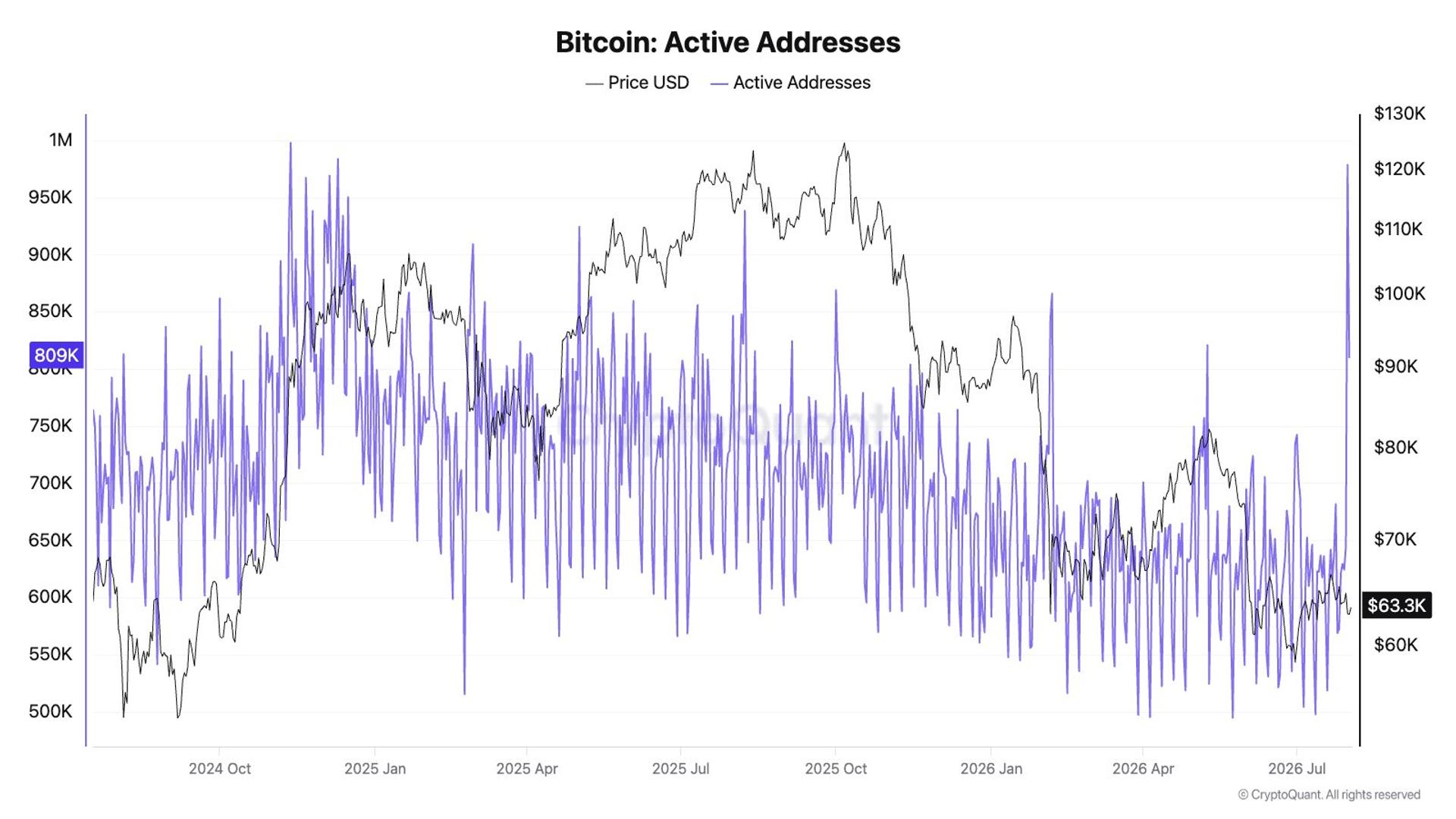
- BlackRock's IBIT, Fidelity's FBTC, Bitwise's BITB, ARK 21Shares' ARKB, and Defiance's MSBT recorded inflows every trading day since the Coldcard exploit, totaling roughly $620 million, according to Bloomberg senior ETF analyst Eric Balchunas.
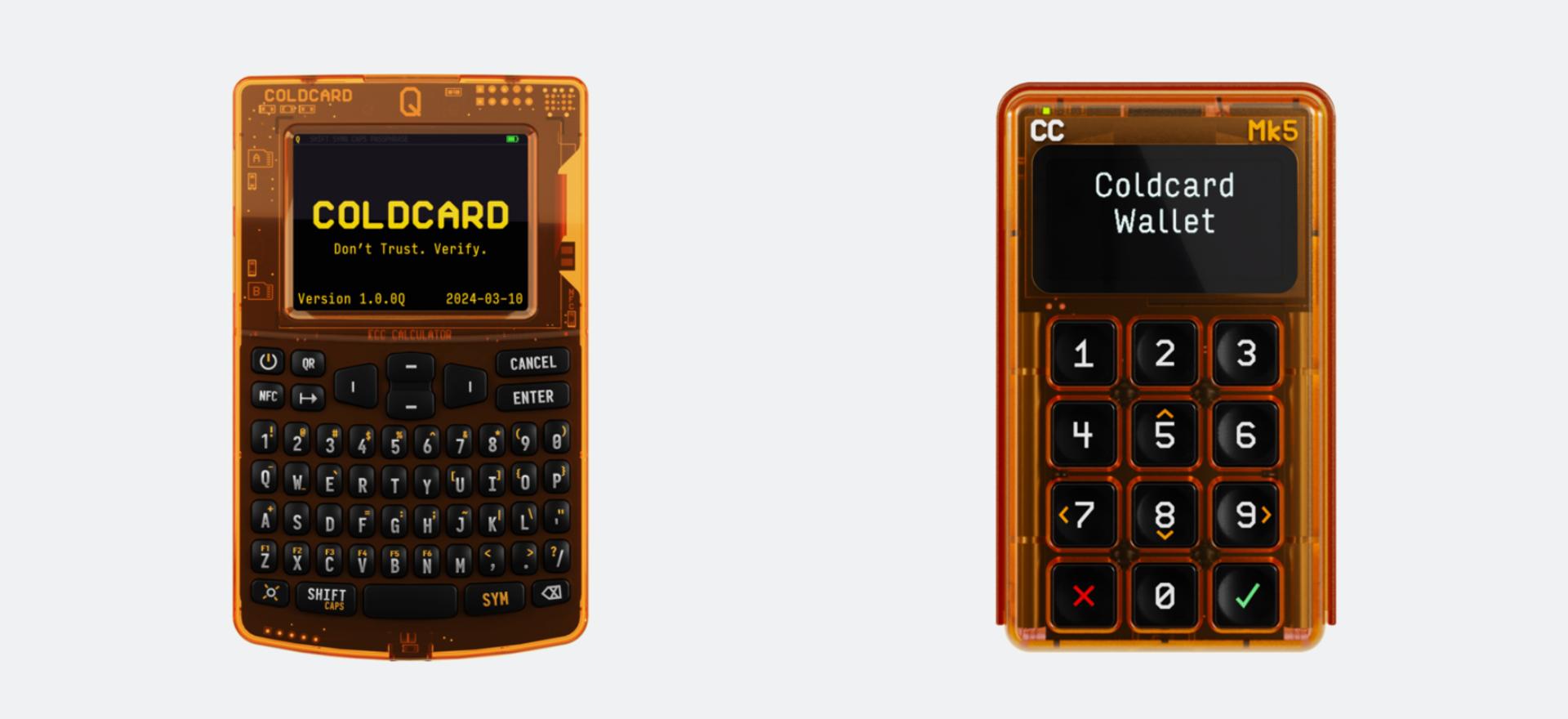
- The Coldcard exploit drained more than $116 million worth of Bitcoin from over 5,200 wallet addresses, per blockchain intelligence firm TRM Labs.
- Balchunas declined to draw a direct causal link, stating on X: "I'm not saying it's connected, we just don't know," while adding that "long-term I can't imagine there aren't some who migrate over."
- Changpeng "CZ" Zhao argued centralized exchanges may now be "statistically safer" than self-custody, citing Willy Woo data showing cumulative Bitcoin losses from self-custody incidents have surpassed those from exchange hacks.
- Boltz, a Bitcoin swap service, suspended its non-custodial bridge on Monday, citing a steady rise in AI-assisted exploits that let attackers identify and exploit vulnerabilities faster than its team could patch them.
- CZ noted that exchange-side hack data is easier to collect because incidents typically make major news, while self-custody losses are often unreported — potentially understating the self-custody risk total.
Why it matters: The $620 million ETF inflow streak landing in the same week as a $116 million self-custody hack gives ETF issuers like BlackRock and Fidelity the clearest data point yet that retail capital will move into regulated wrappers after high-profile wallet failures. CZ's claim that CEXs are now "statistically safer" than self-custody, backed by Willy Woo's loss tally, directly challenges the crypto community's foundational "not your keys, not your coins" doctrine and pressures hardware wallet vendors to defend their security model.
Ask SkimNews