Ranking all 23 World Cups from worst to best ... w... — SkimNews

Get the Sports newsletter
Daily sports — scores, transfers, the storylines from the leagues you actually follow. Free.
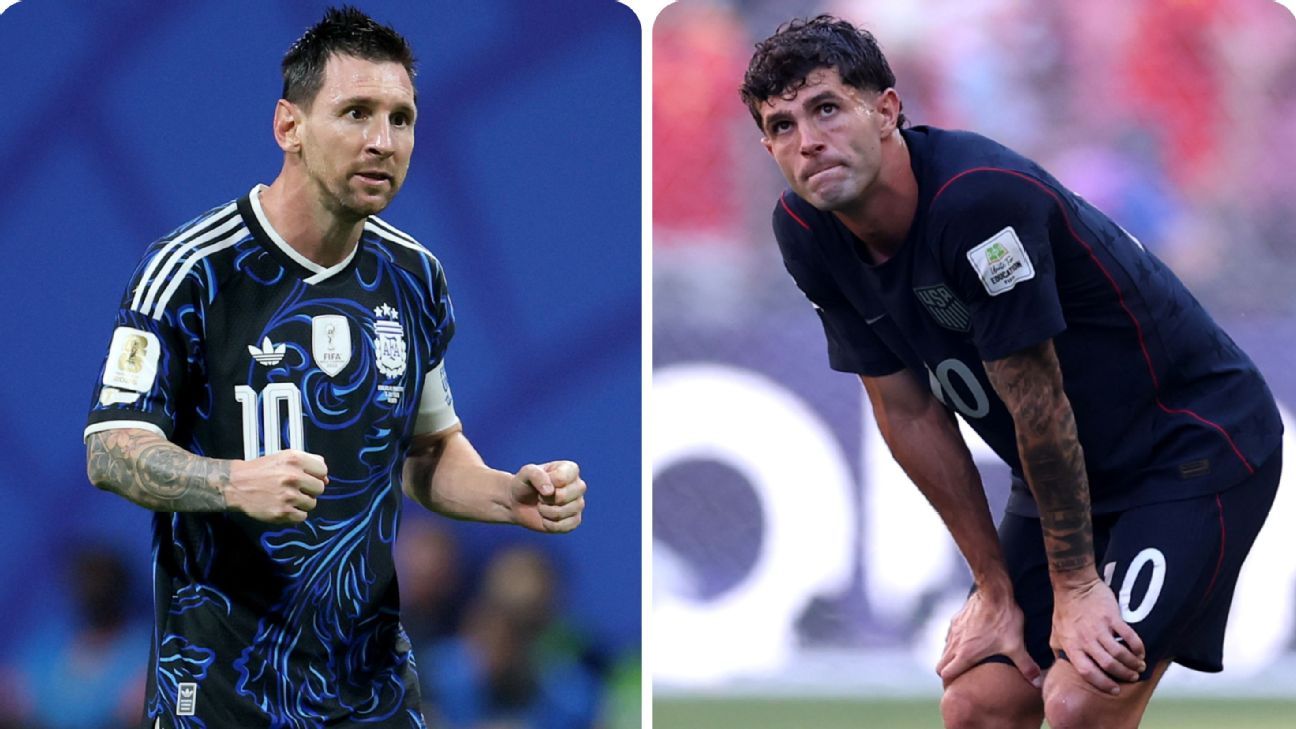
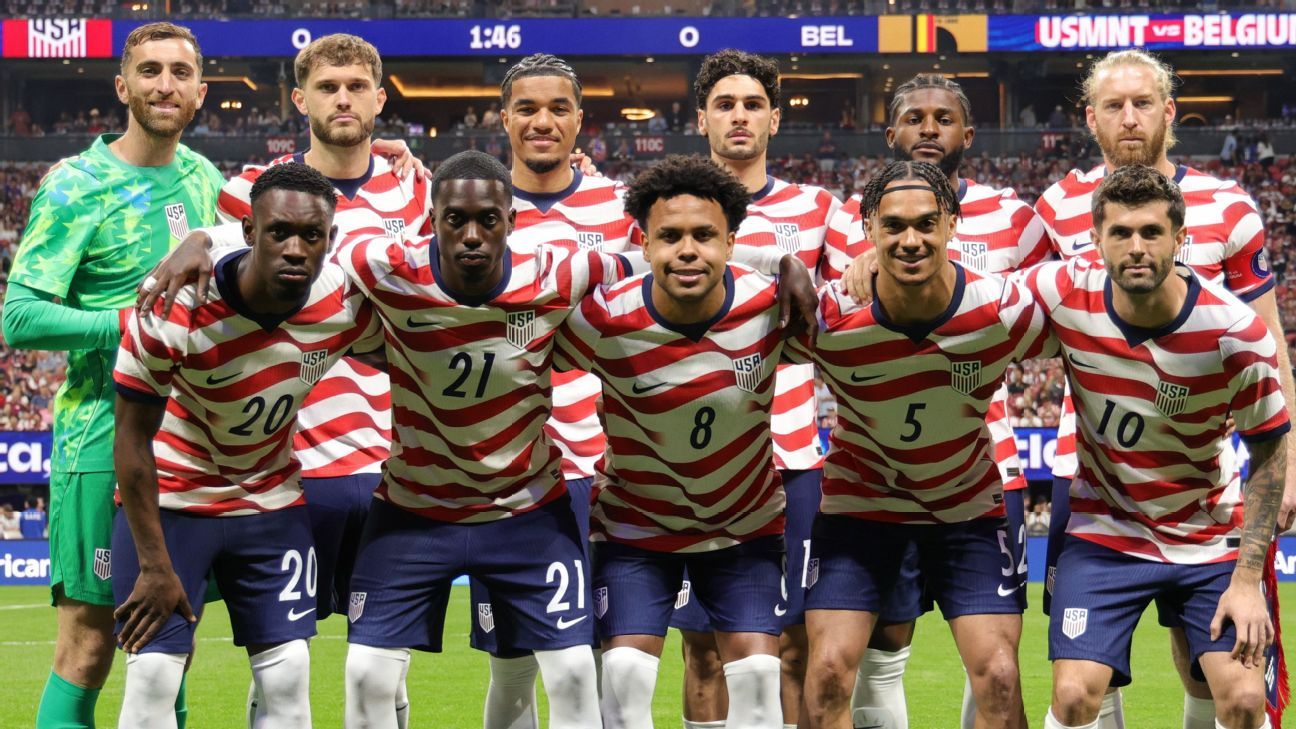
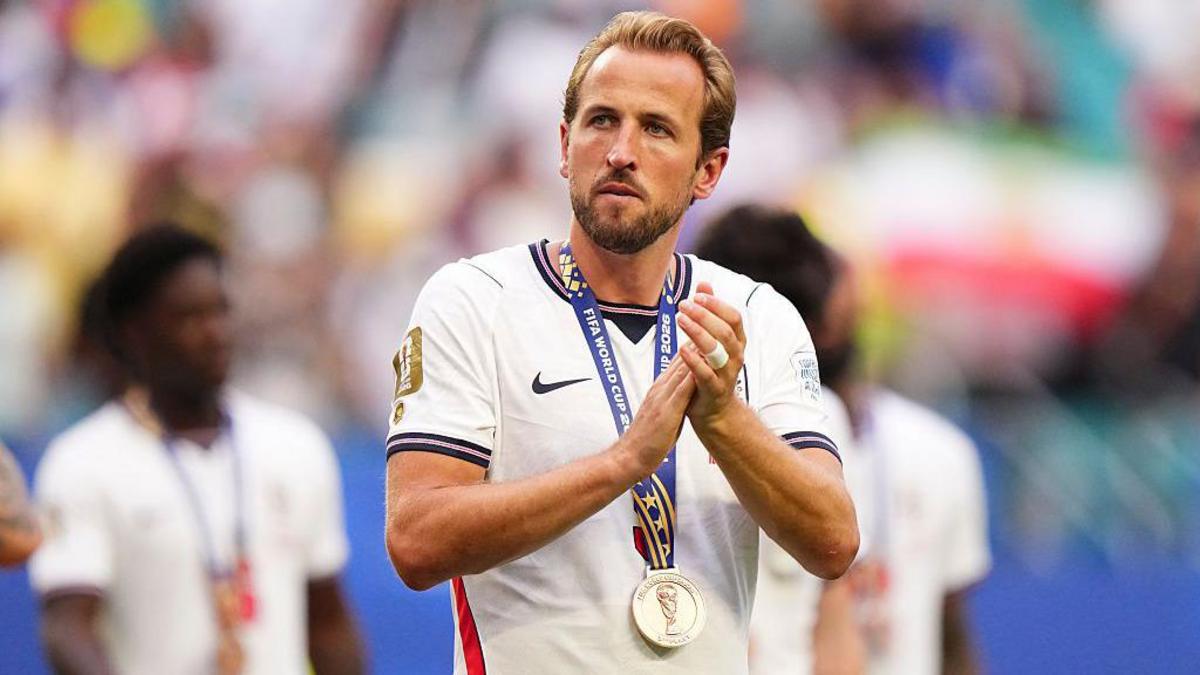
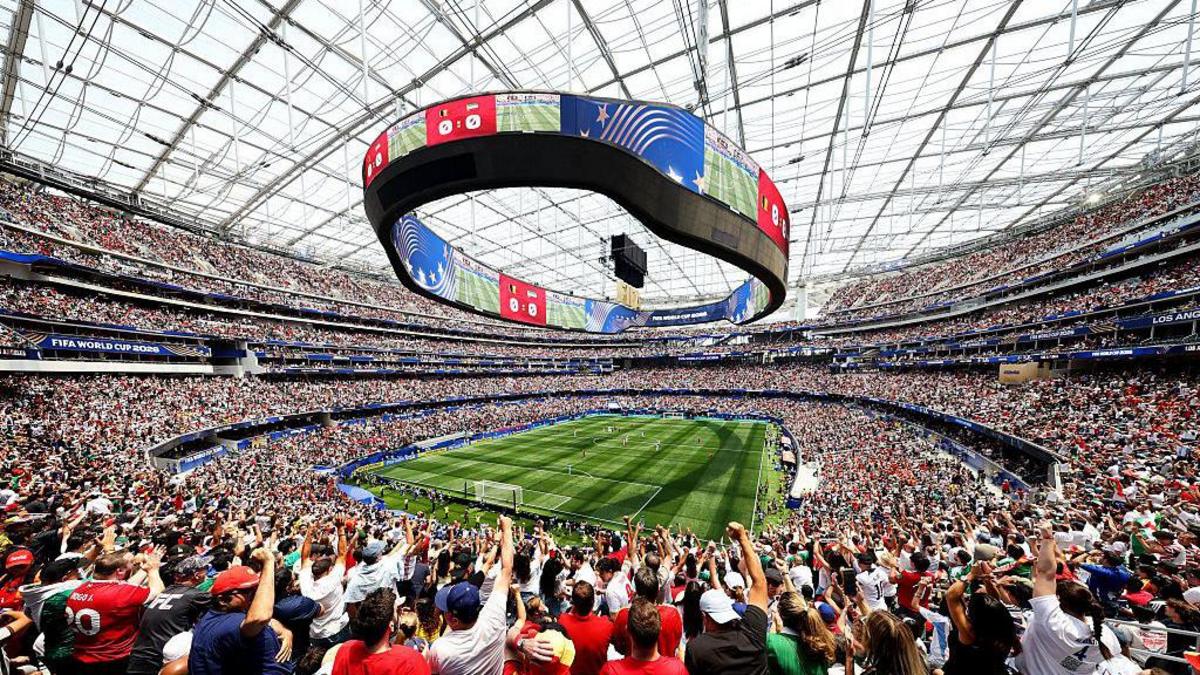
- The 2026 FIFA World Cup was ranked 6th best of all 23 tournaments using a 50-point scale that awards up to 10 points for great players and upsets, up to 5 for great final/controversies/location/goal quantity, and up to 10 bonus points for 'X factor' memories
- Italy 1934 ranked worst (23rd) at 17/50, remembered primarily as a Mussolini showcase amid allegations of rigged officiating, with defending champion Uruguay boycotting because few European teams had traveled to their 1930 tournament
- Uruguay 1930 placed 22nd at 18/50 — the first-ever World Cup, with only 13 teams, 18 total matches, and no real upsets yet, though Romania's squad was reportedly selected by newly elected King Carol II just a month before kickoff
- Argentina 1978 ranked 21st (21/50), marred by junta-era human rights abuses and a suspect 6-0 win over Peru that secured advancement on goal differential, with political opponents disappearing during the tournament
- France 1938 ranked 20th (22/50), where Italy wore fascist black shirts and gave the fascist salute before their quarterfinal against hosts France, amid Germany's annexation of Austria and Spain's civil war keeping both out of the tournament
- Russia 2018 placed 19th (24/50), with the U.S. Department of Justice later confirming it uncovered proof of bribes handed to FIFA officials in exchange for supporting Russia's hosting rights, compounding LGBTQ+ and human rights criticism
Why it matters: The scoring reveals host politics drag tournaments down: Italy 1934 (17/50), Argentina 1978 (21/50), and Russia 2018 (24/50) all sit in the bottom five, penalized for fascist showcases, junta disappearances, and DOJ-confirmed bid bribes more than poor football. For the 2026 edition, a 6th-place finish means it cleared the bar on upsets and stars but lacked the game-redefining impact of 1974.
Ask SkimNews