Tesla Mass-Produces Cybercab It Can't Sell — SkimNews
Get the Energy newsletter
Daily energy & climate — solar, EVs, oil, the policy fights and tech bets shaping the transition. Free.
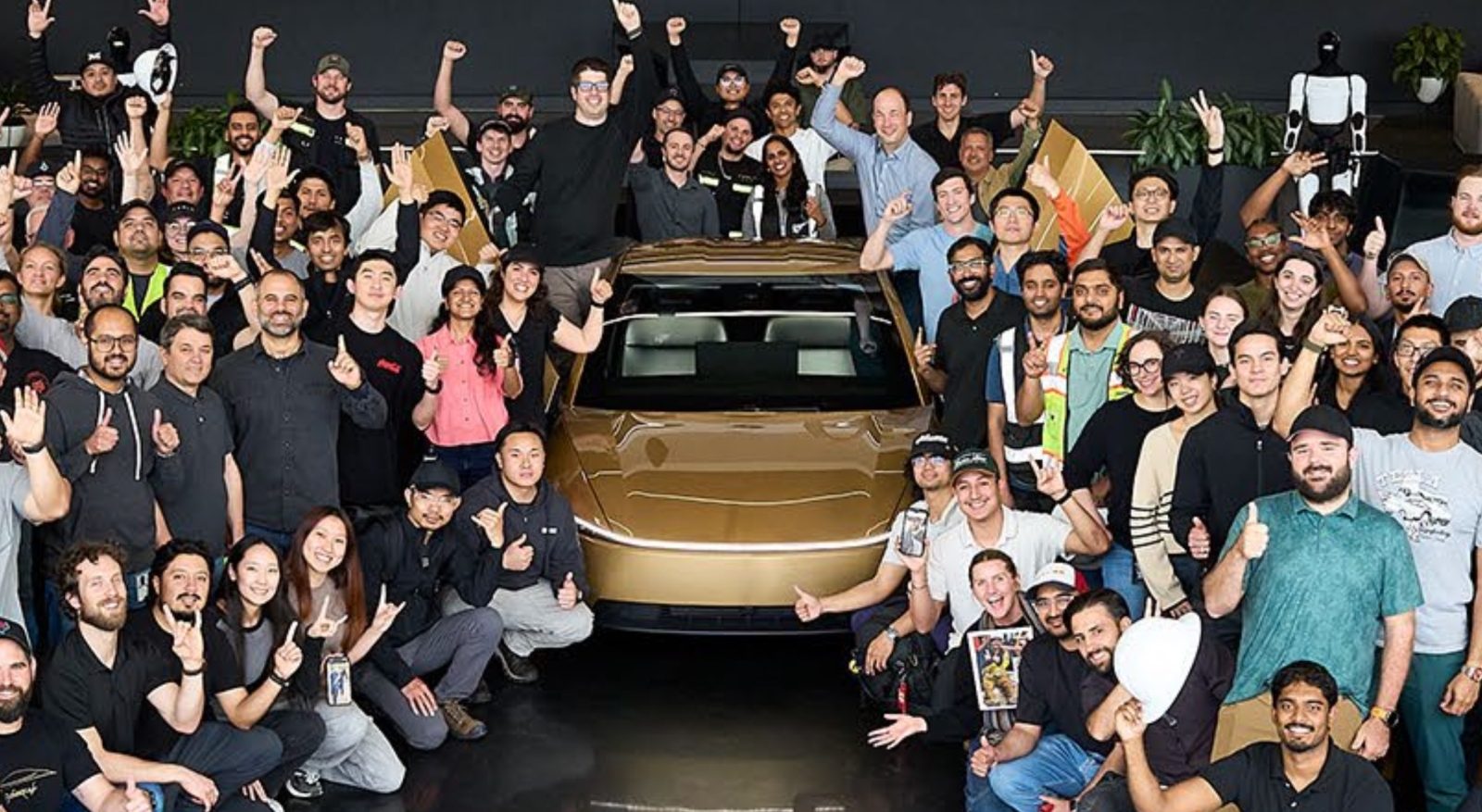
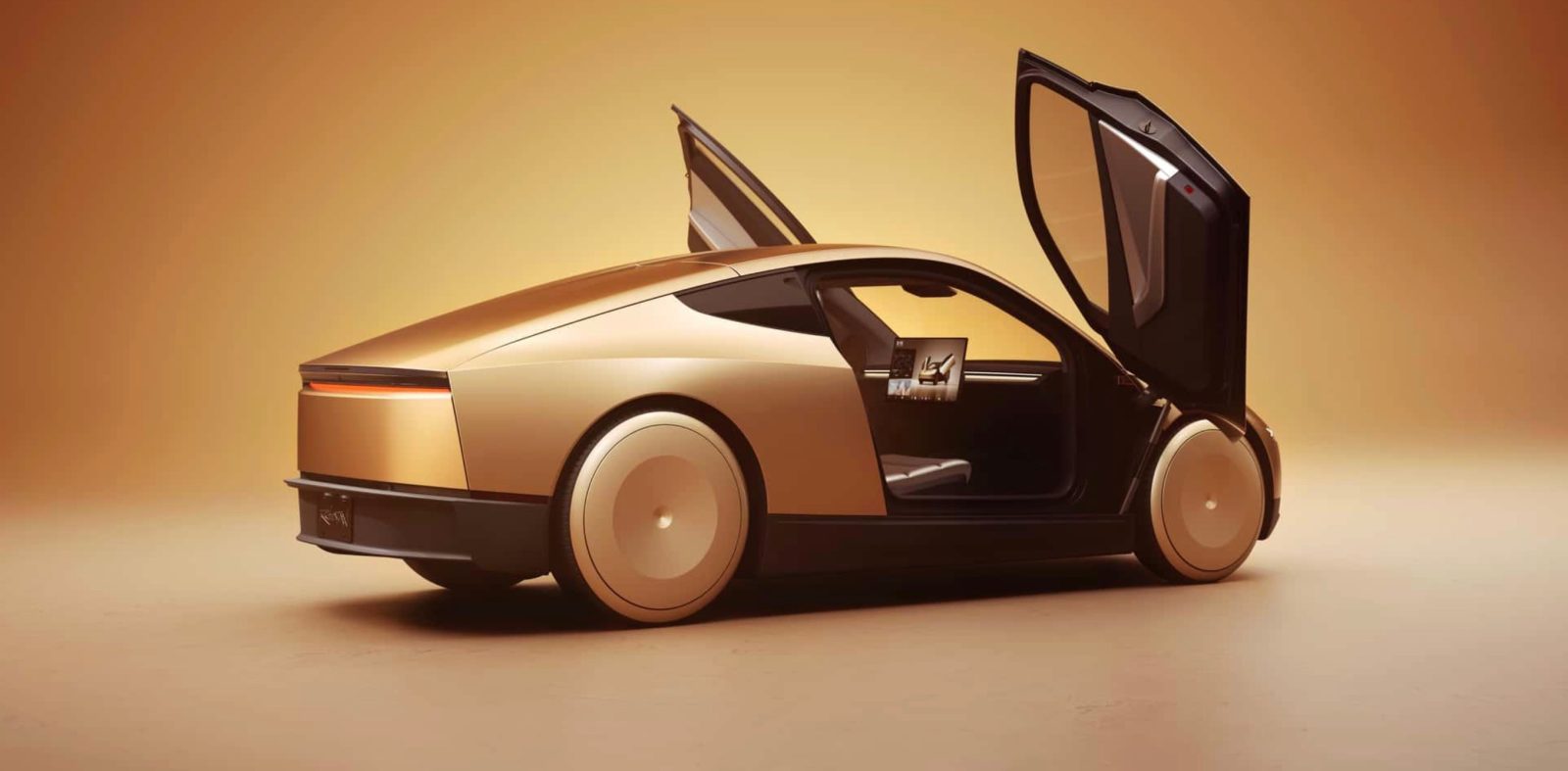
- Tesla has built more than 100 Cybercabs at Giga Texas and confirmed continuous production on its Q1 2026 earnings call, though it cannot sell the two-seater to consumers or run it without a safety monitor.
- Tesla designed the Cybercab to self-certify against all Federal Motor Vehicle Safety Standards, sidestepping NHTSA's 2,500-unit annual cap on exemption vehicles and letting production scale without a regulatory ceiling.
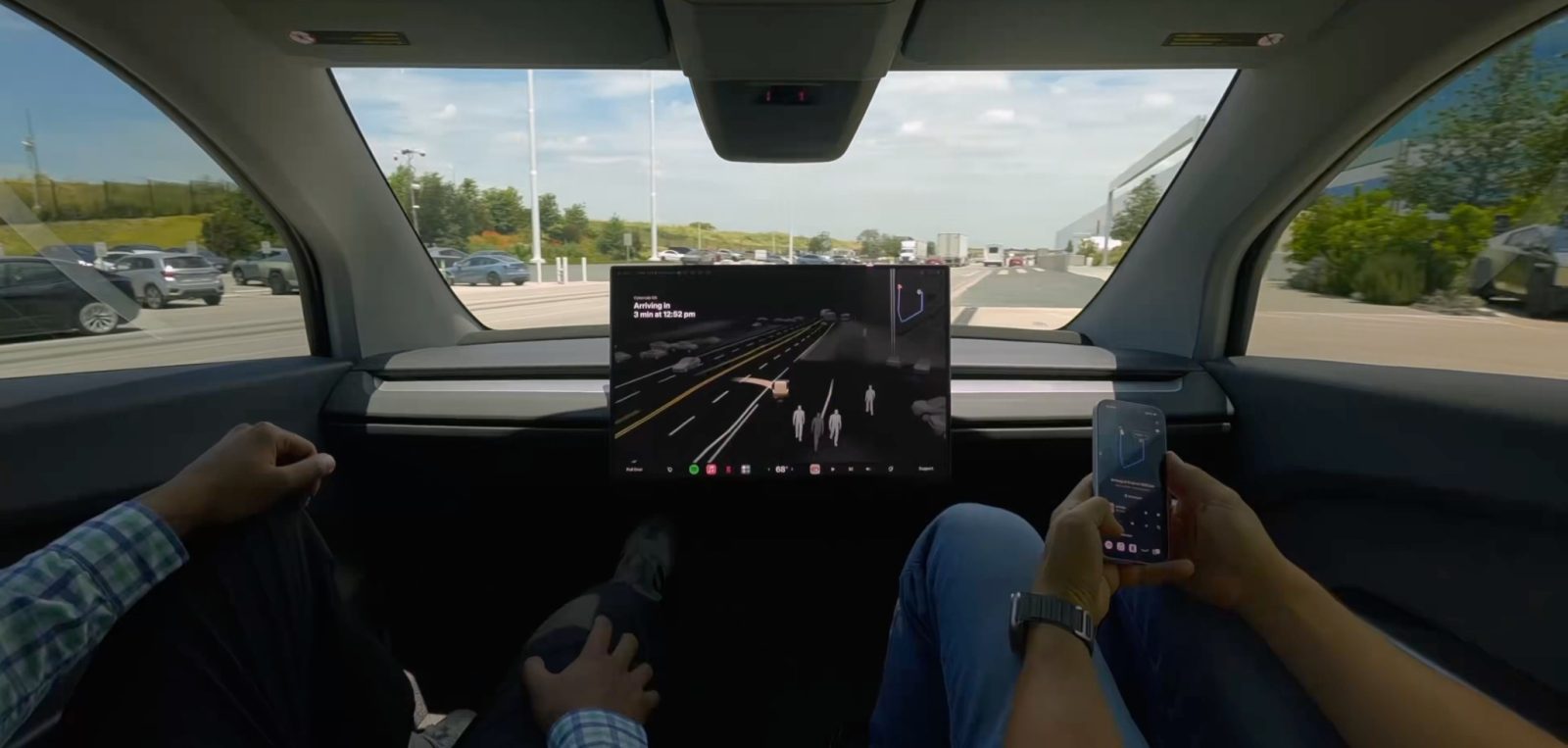
- Tesla's Robotaxi service in Austin, one year after launch, sits at roughly 50 vehicles total, with the unsupervised fleet shrinking from a peak of about 25 cumulative cars to roughly 14 active ones per Electrek's tracking.
- Elon Musk told investors on the Q1 2026 call that safety validation is the limiting factor for Robotaxi expansion, that a rewritten FSD v15 is now targeted for end of 2026 or early 2027, and that the service "likely will not see material revenue until at least 2027."
- Tesla's supervised fleet has been crashing at roughly four times the rate of an average human driver, and the company has reported a string of crashes to NHTSA in Austin.
- Tesla has drawn small Robotaxi geofences in Houston and Dallas and most recently mapped a sliver of Miami — its first market outside Texas — while the Austin unsupervised fleet contracts.
- The Model 3 turn signal stalk offers a precedent: Tesla deleted it for an autonomy-first interior, drivers and safety raters pushed back, VP of engineering Lars Moravy admitted they "deleted too much," and the company now sells a $595 retrofit for the problem it created.
Why it matters: Tesla is committing factory capacity to a vehicle whose usefulness is gated entirely on software the company itself says is years away — Musk pegged Robotaxi material revenue at 2027+ and named safety validation, not manufacturing, as the binding constraint, while the Austin unsupervised fleet has actually shrunk from ~25 to ~14 cars. Every Cybercab rolling off the line is a hardware bet on FSD v15 landing on time, a bet Tesla has been making in various forms since 2016.
Ask SkimNews