Iran's Hormuz Shutdown Cuts Ship Traffic 90% — SkimNews
Get the Geopolitics newsletter
Daily geopolitics — wars, elections, sanctions, the diplomatic moves that move markets. Free.
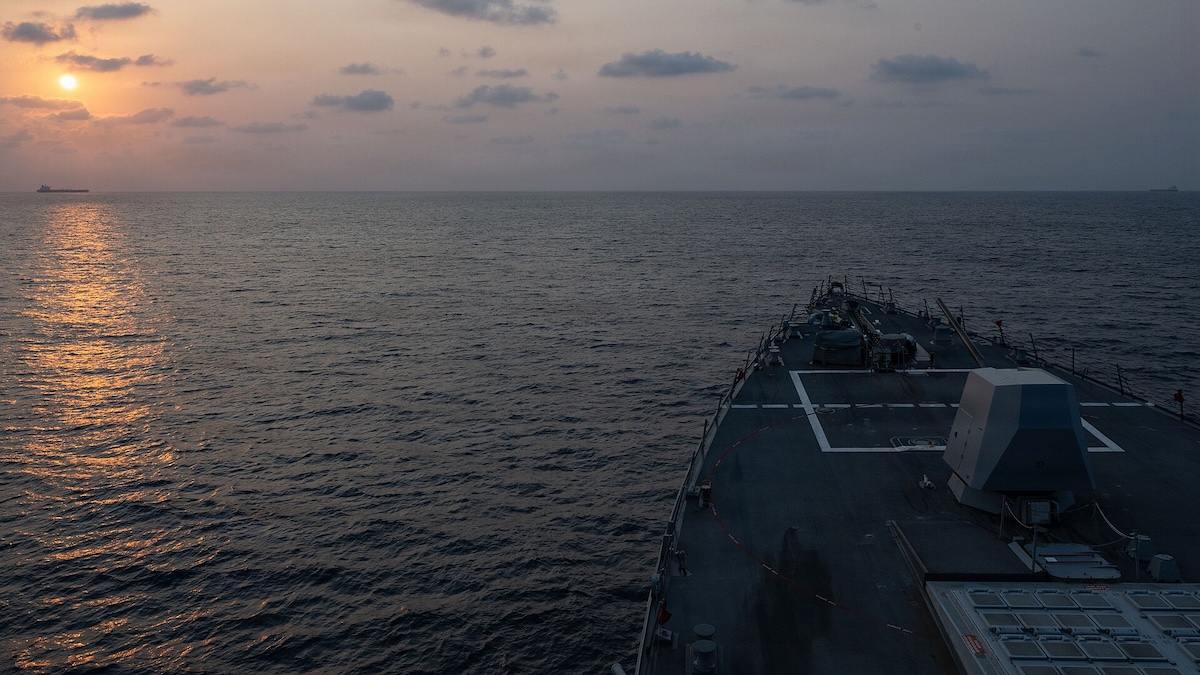
- Iran effectively shut the Strait of Hormuz after the U.S. and Israel attacked it on February 28, using asymmetric warfare — cheap, disruptive weapons against vessels that ignored IRGC restrictions — to weaponise the waters; daily ship traffic fell by over 90% from 100+ vessels
- The Strait of Hormuz carried 20% of the world's LNG and 25% of seaborne oil during 2023–25, with 20 million barrels of oil and oil products passing through daily in 2025 and roughly 3,000 ships per month before the war, according to the U.S. Energy Information Administration
- President Trump announced a ceasefire on April 8 expecting Iran to reopen the strait; when Iran refused, he announced a blockade of Iranian ports on April 12, prompting Iran to cancel direct negotiations and push the nuclear file down its priority list
- Iran established the Persian Gulf Strait Authority (PGSA) to manage traffic through and maintain the strait, introducing an email-based permit system that all transiting vessels must coordinate with — defying Trump's demand for immediate reopening
- The 40-day U.S.–Israeli bombing campaign caused immense material damage to Iran's aerial and naval infrastructure but failed to force a reopening, as Iran imposed disproportionate costs on ships attempting to transit without IRGC permission
- India was hit particularly hard as an energy-import-dependent economy, with fuel prices rising and insurance and shipping costs soaring as a direct consequence of the strait's closure
Why it matters: Iran's grip on a waterway carrying 20% of global LNG and 25% of seaborne oil gives Tehran leverage that 40 days of U.S. and Israeli bombing could not break. Energy-import-dependent economies — India cited explicitly — face rising fuel, insurance, and shipping costs, with the strait-for-blockade deadlock showing no near-term path to resolution.
Ask SkimNews