Are tennis players right to protest over prize money? — SkimNews
Get the Sports newsletter
Daily sports — scores, transfers, the storylines from the leagues you actually follow. Free.
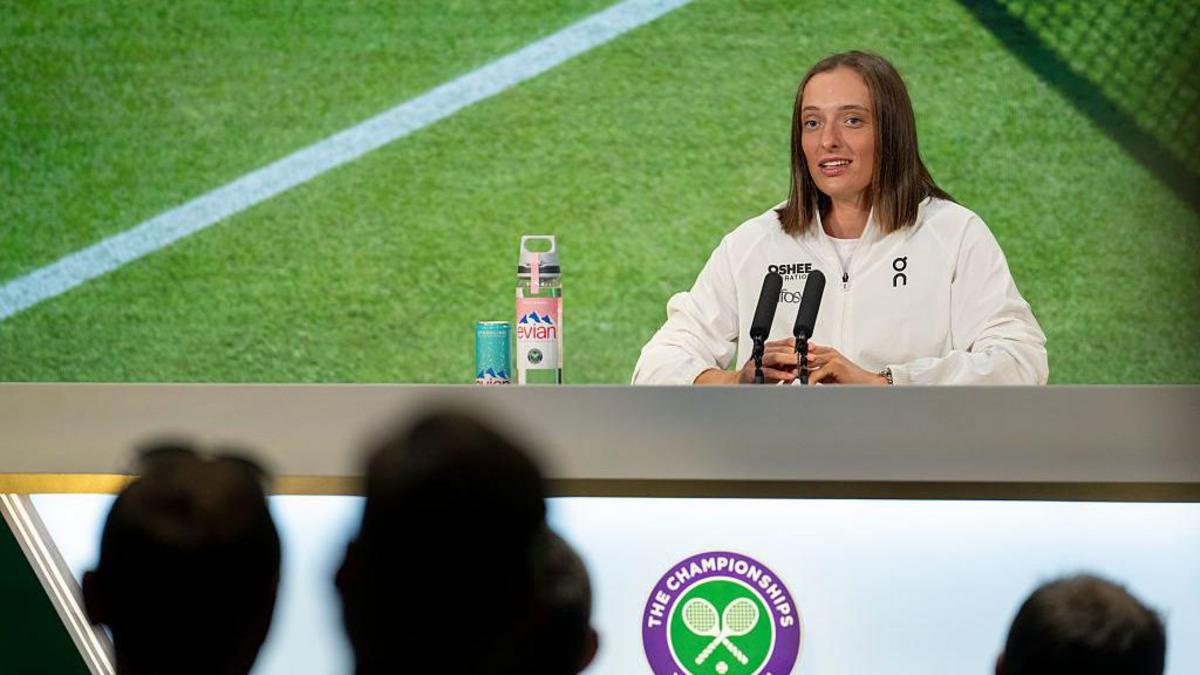
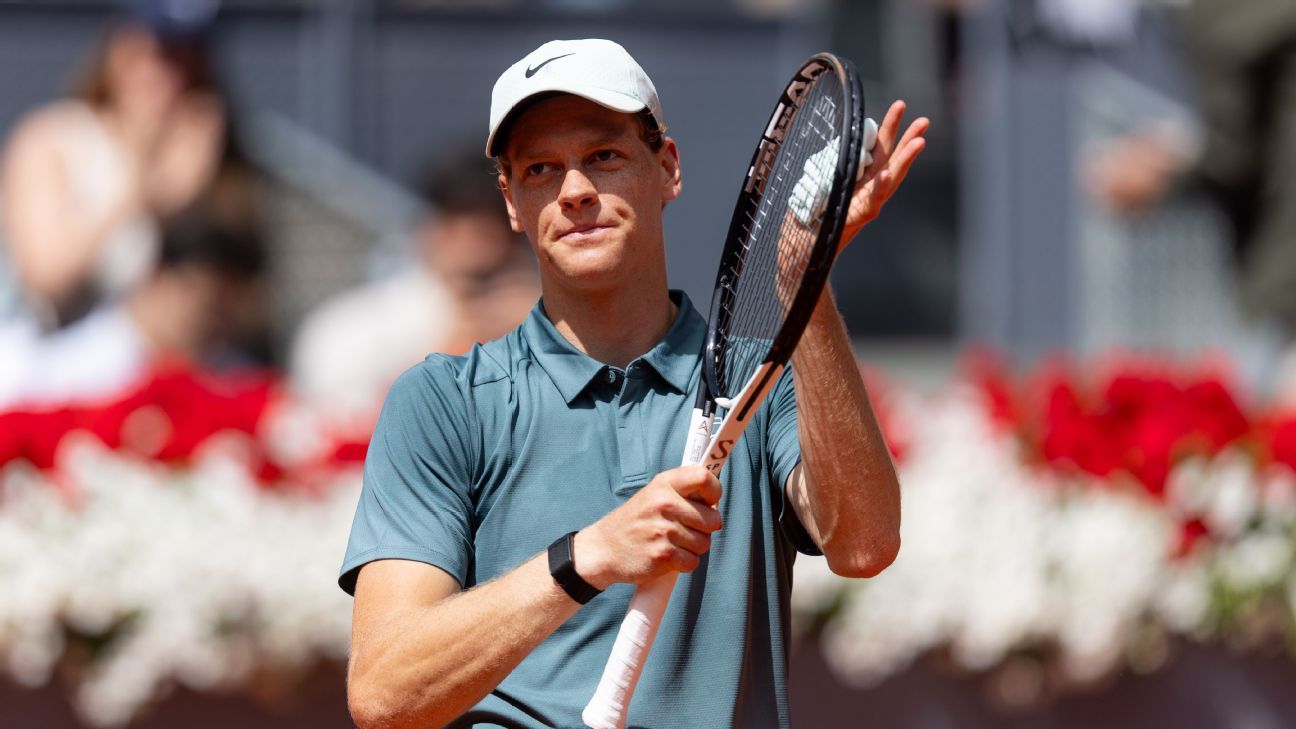
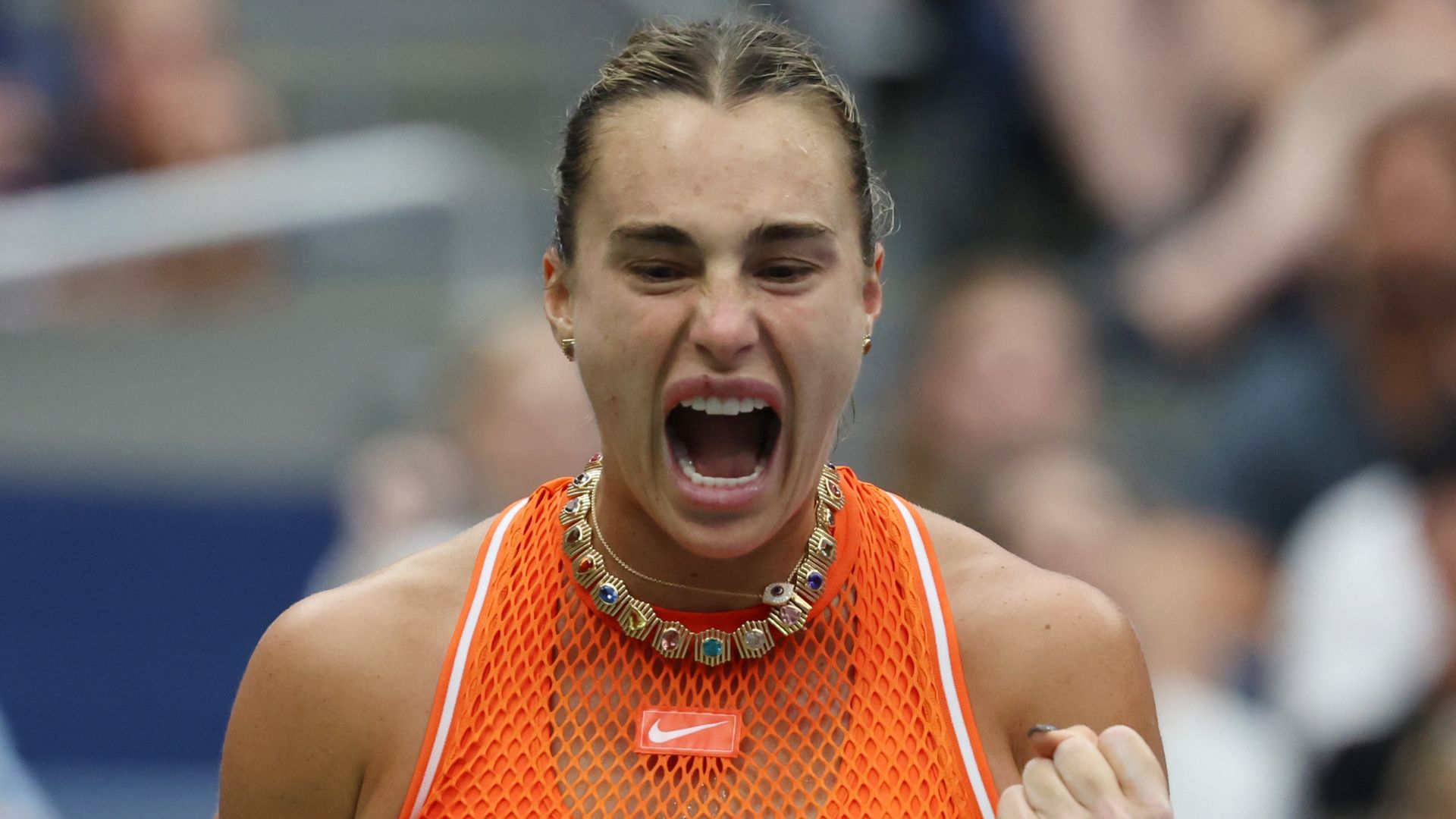
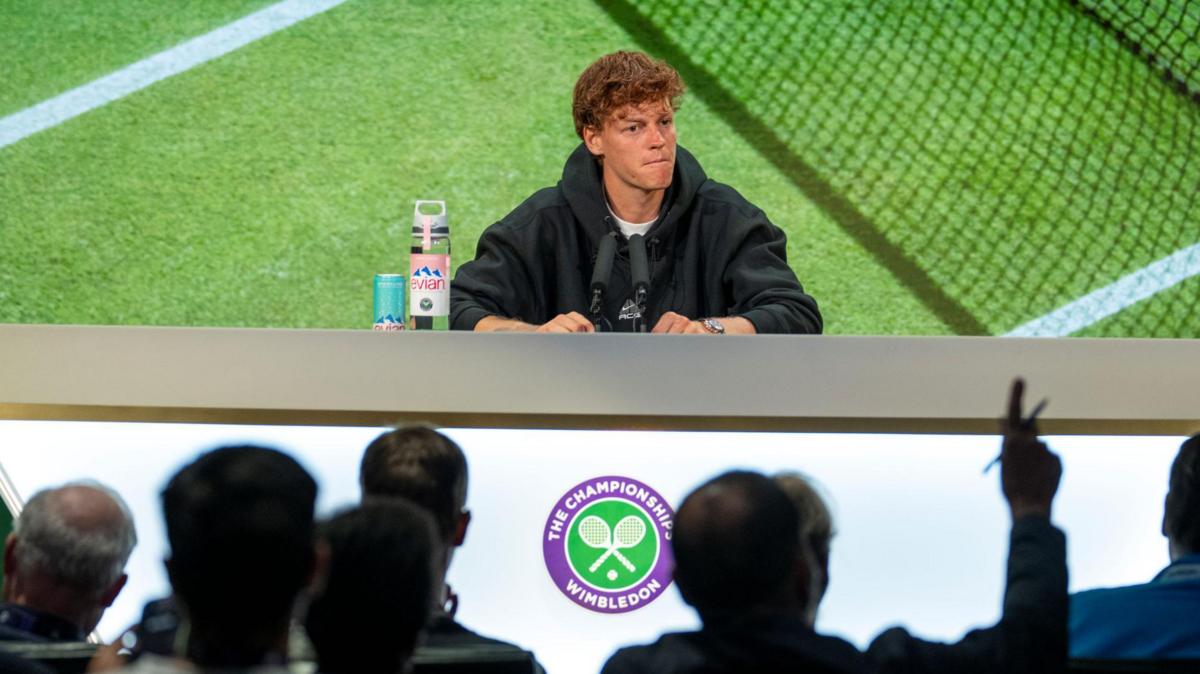
- Sabalenka and Sinner are restricting post-match media appearances to 15 minutes during Wimbledon's first week and limiting pre-tournament media weekend availability as part of an escalating prize money protest.
- Wimbledon announced a 20% prize money increase to a record £64.2m total — including £3.6m for singles champions and £80,000 for first-round losers — but the pot remains about £7m short of player demands.
- Players are asking for 16% of each Grand Slam's revenue to go to prize money, rising to 22% by 2030, plus larger contributions to pension, healthcare and maternity benefit pots and a greater say on scheduling.
- The All England Club called the escalation "surprised and disappointed" and BBC pundit Andrew Castle labelled it "tone deaf," while the players welcomed the 20% rise as a "genuine and significant step forward."
- The French Open and Australian Open offered increases of 9.5% and 16% respectively, with the Australian Open's prize fund representing roughly 15% of Tennis Australia's A$697.2m (£346.21m) revenue.
- Grand Slam organisers argue revenue figures ignore massive infrastructure costs, citing the USTA's $250m player performance centre build and the AELTC's £60m-plus in grass-court event support since 2019.
Why it matters: Players aren't bargaining over annual raises — they're pushing for a structural share of Grand Slam revenue, and Wimbledon's £7m shortfall from the 16% target shows the gap remains even after a record 20% rise. The US Open announcement in late August will test whether other slams follow Wimbledon's lead or the players' framework.
Ask SkimNews