Philippines Urges China to Remove Scarborough Shoal — SkimNews

Get the Geopolitics newsletter
Daily geopolitics — wars, elections, sanctions, the diplomatic moves that move markets. Free.
- The Philippines urged Beijing on Wednesday to remove a floating structure at Scarborough Shoal (locally called Bajo de Masinloc) and said it will not allow the atoll to be developed into a man-made island.
- Manila lodged a diplomatic protest Tuesday over what the Philippine Coast Guard called a "movable platform" likely deployed by Chinese research vessels, and released photos of a square wooden platform with people on board and a central antenna.
- China's foreign ministry neither confirmed nor denied responsibility, reiterating that Beijing has "indisputable sovereignty" over the shoal and that its activities there, including scientific research, are legitimate.
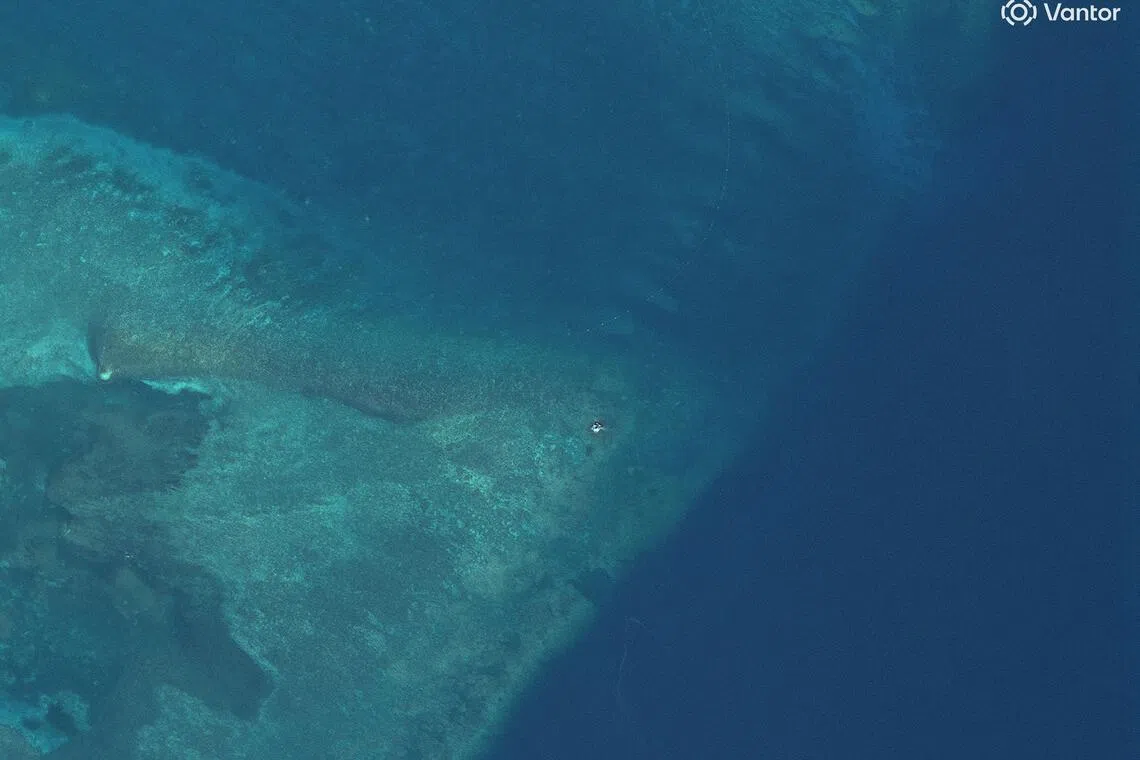
- Reuters satellite imagery confirmed the platform's presence, with a June 1 image showing it had moved from the shoal's mouth; the Philippine Coast Guard said it was last observed in the middle of the lagoon.
- Jay Batongbacal, a University of the Philippines maritime law professor, compared the structure to Mischief Reef—one of seven Chinese-built artificial islands in the South China Sea equipped with a runway, radar, and surface-to-air missiles—calling it part of China's effort to "incrementally change the facts on the ground."
- Philippine Foreign Affairs Secretary Ma. Theresa Lazaro, speaking at a Nikkei forum in Tokyo, said it would be better to have no South China Sea Code of Conduct than a "bad" one and that any pact must be based on UNCLOS and other agreed principles.
Why it matters: The Philippines is drawing a line against incremental Chinese expansion at Scarborough Shoal, which China seized in 2012 and where Beijing announced a national nature reserve last year. By publicly releasing photos and invoking the Mischief Reef precedent, Manila is building an international record before any further construction occurs, while also raising the diplomatic cost for ASEAN of settling for a weak Code of Conduct with Beijing.
Ask SkimNews