Turkey pushes for swift Middle East peace — SkimNews
SkimNews Take
Turkey's choice of diplomacy over naval deployment reveals a bet that shaping the post-conflict order offers more durable leverage than wartime military presence.
Get the Geopolitics newsletter
Daily geopolitics — wars, elections, sanctions, the diplomatic moves that move markets. Free.
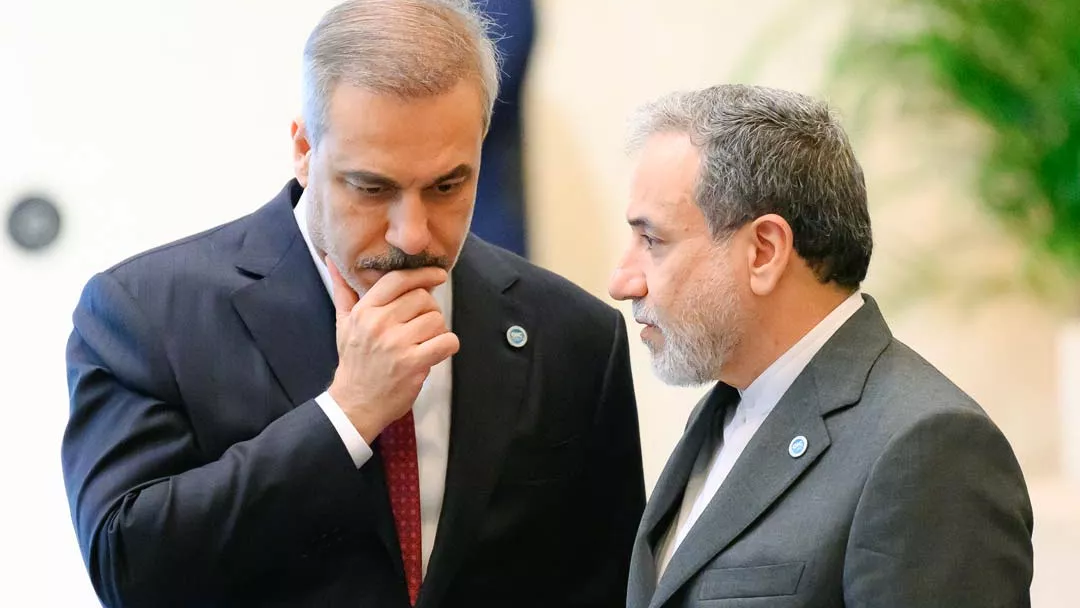
- Türkiye has kept diplomatic channels open to both the United States and Iran while remaining unaligned in the U.S.-Israel-Iran conflict.
- Ankara is focusing its resources on mediation efforts and aims to keep the current conflict at arm’s length to conserve resources for future challenges.
- Israel escalated attacks on Hezbollah in autumn 2024, triggering a chain reaction that reshaped the Syrian war and shifted the regional balance of power.
- Syrian rebels launched a late‑2024 offensive that swiftly overthrew the Assad regime, paving the way for a new Syrian order.
- Ahmad al‑Sharaa’s interim Syrian government deepened ties with Türkiye and forged new relations with Saudi Arabia and the United States, while blocking Iran’s supply line to Hezbollah.
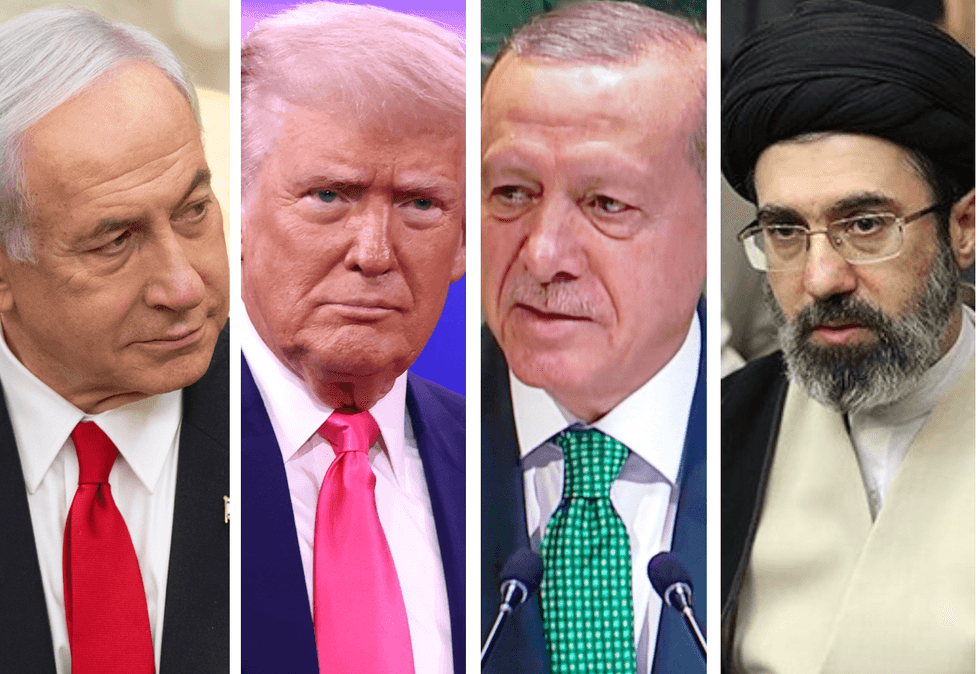
- Israeli officials have described Türkiye as a potential "new Iran" since 2024, portraying it as an adversary capable of building a rival alliance.
- Turkish officials accuse Israel of ruthless expansion, citing its Gaza campaign, increased Syrian presence since Dec 2024, the June 2025 twelve‑day war, a Doha strike on Hamas leaders in Sep 2025, and recent bombardments of Iran and Lebanon.
Why it matters: Turkey’s mediation push preserves its regional influence and avoids a costly escalation, while its strained ties with Israel and Iran could reshape alliances and affect the balance of power in Syria and the broader Middle East, influencing future diplomatic and economic dynamics.
Ask SkimNews