China border town can’t shake the blues despite promise of bridge to North Korea — SkimNews
Get the Geopolitics newsletter
Daily geopolitics — wars, elections, sanctions, the diplomatic moves that move markets. Free.
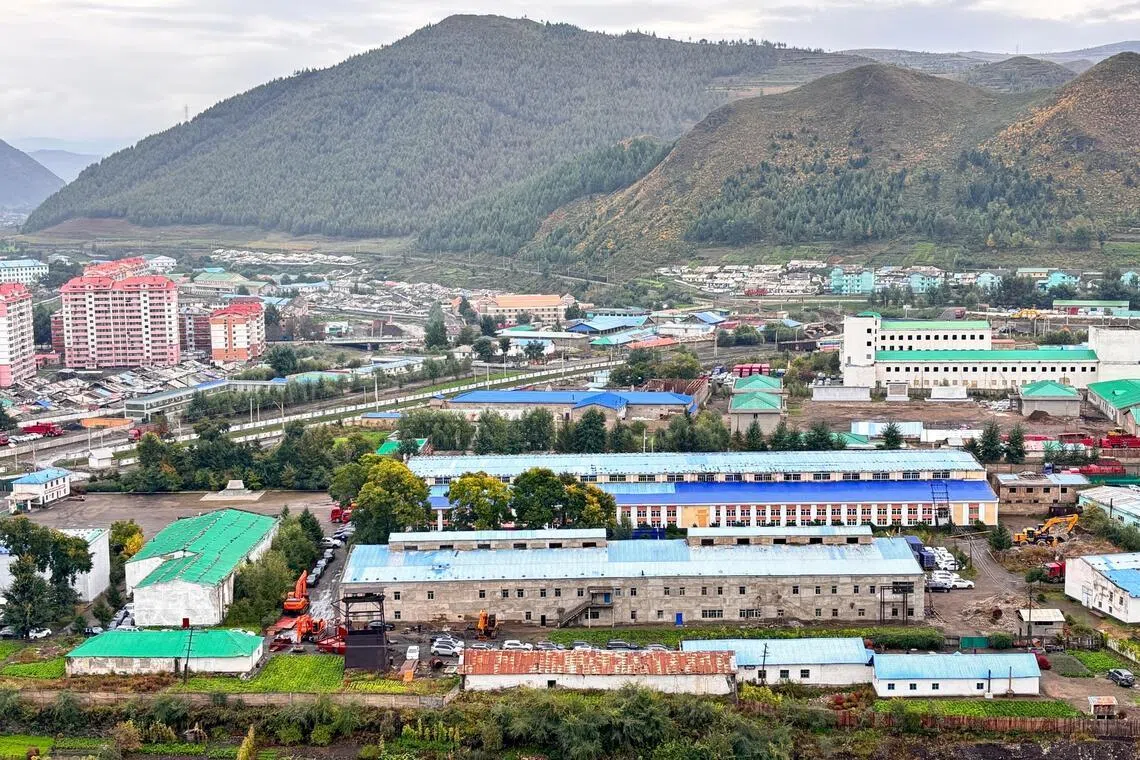
- Dandong's economy grew just 0.3% in the first half of 2026 against a national 4.7%, with investment falling a third and new home sales down 28%, even as China-North Korea trade climbed to a six-year high of $2.3 billion in 2025.
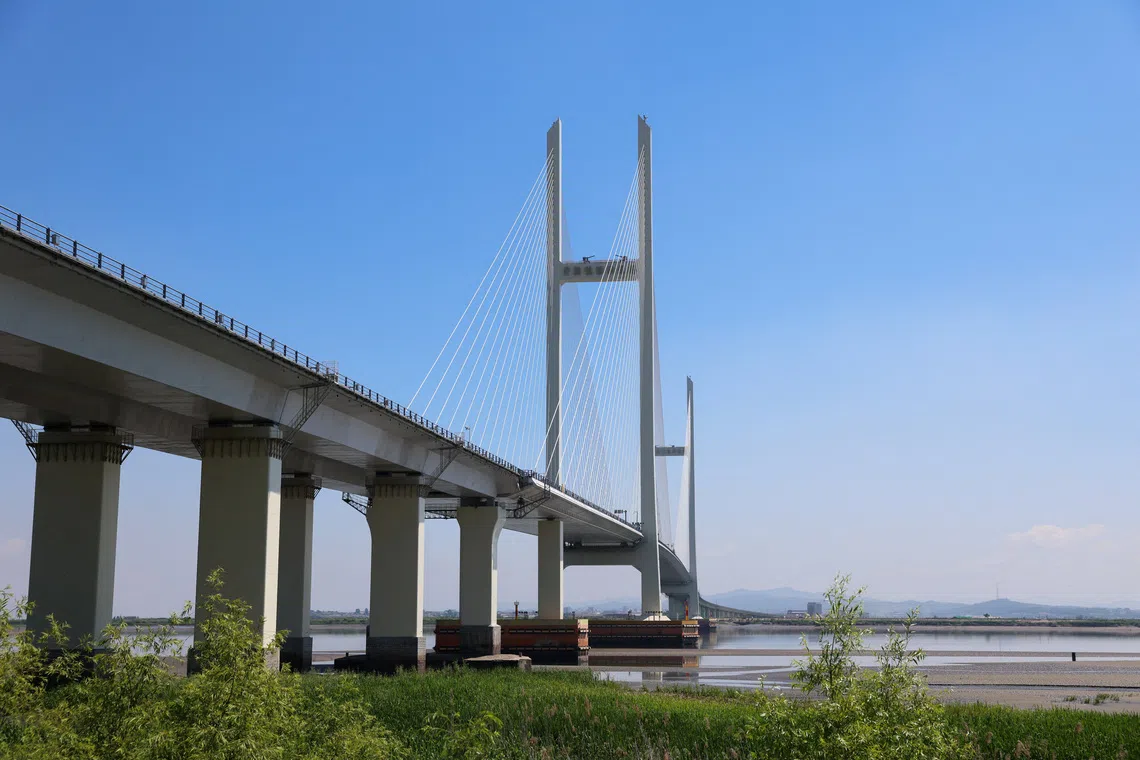
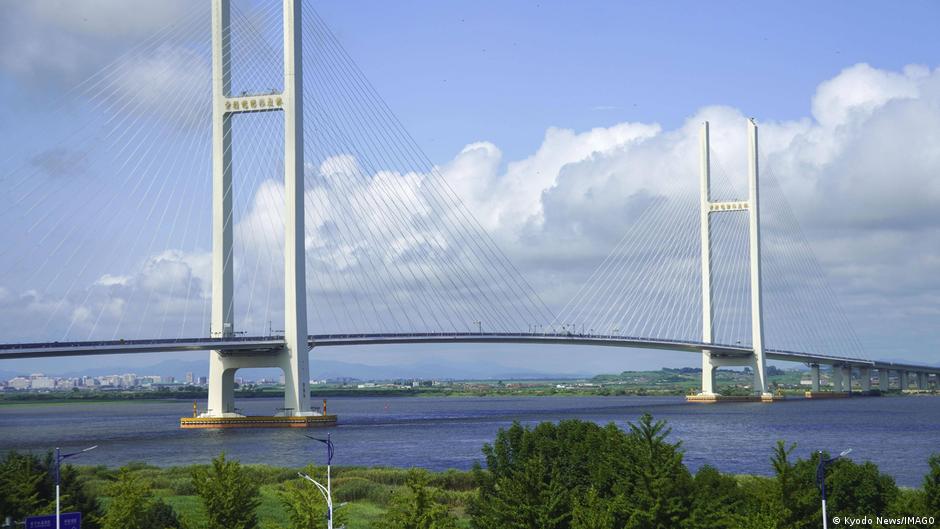
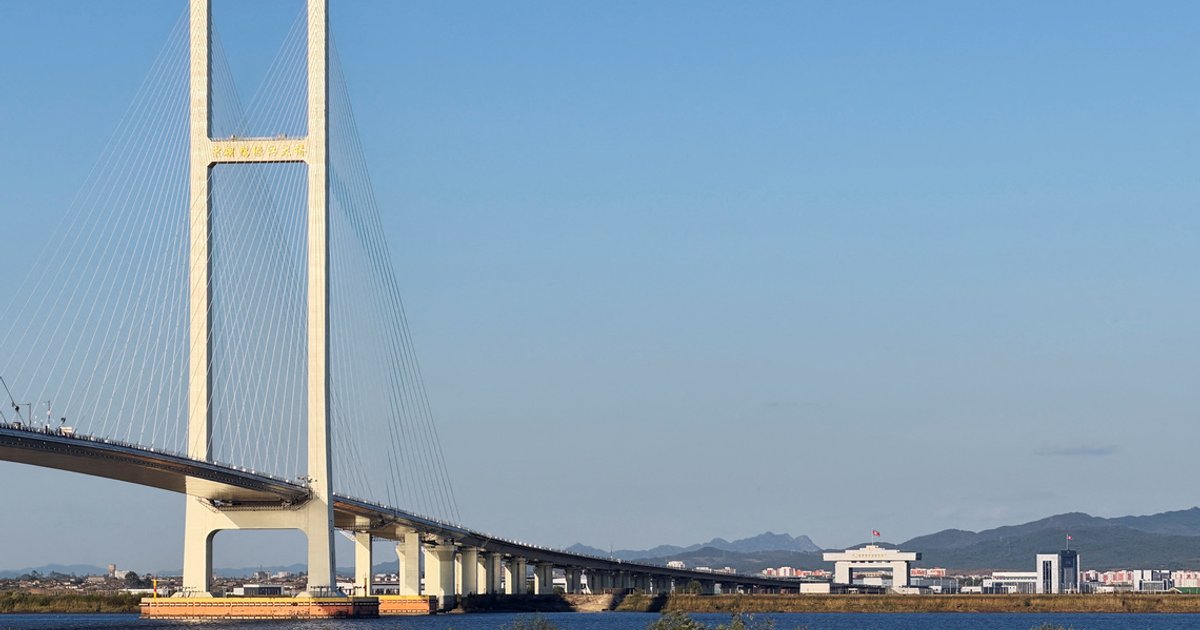
- The New Yalu River Bridge was finished on the Chinese side in 2014, but North Korea left its approach roads and customs facilities untouched for 12 years; construction resumed after Xi Jinping's June visit, though neither side has set an opening date.
- Local residents and shopkeepers say the bridge will bring little new business because regular citizens cannot cross, and North Korea has not reopened to Chinese tourists since sealing its borders in 2020.
- Factory jobs in Dandong pay only about 3,000 yuan ($570) a month, according to a local taxi driver, contributing to high worker turnover and the fading of the city's border-trade economy.
- The Guomenwan trade zone, launched in 2015 with a reported 1 billion yuan investment, now has mostly empty storefronts after UN Security Council resolutions banned imports of North Korean seafood and farm products and exports of steel and industrial machinery.
- Most cross-border freight still moves at an 83-year-old bridge about 10km upstream, the busiest of roughly 15 crossing points along the 1,350km China-North Korea border.
Why it matters: Dandong shows the limits of top-down diplomatic openings: the new bridge can move goods but not people, and UN sanctions on North Korean imports have hollowed out the trade zone built to capitalize on the link. With factory wages near 3,000 yuan a month and growth of 0.3% against a national 4.7%, the city is absorbing the cost of a rapprochement that routes around it.
Ask SkimNews