Frontier adds first-class as ultra-low-cost model cracks — SkimNews

Get the Finance newsletter
Daily finance — markets, central banks, M&A, the prints that move money. Free.
- Frontier Airlines will roll out first-class seats on its Airbus fleet next year and add SpaceX's Starlink Wi-Fi, with chairman Bill Franke telling CNBC the move is meant to give consumers "an option" without matching "Singapore Airlines first class."
- Bill Franke, 89 and founder of Indigo Partners, pioneered the ultra-low-cost carrier model but says it needs adjustment in mature U.S. markets — while remaining viable in emerging ones like Hungary or Peru — as pilot salaries, maintenance and operating costs have all surged since the pandemic.
- Spirit Airlines collapsed in May — the biggest U.S. airline failure in decades — after a federal court blocked its JetBlue acquisition in January 2024 on antitrust grounds, leaving Frontier as the country's largest discounter following Franke's failed 2022 Spirit merger bid.
- United Airlines and Delta have copied the bare-bones fare model for their cheapest tickets and this year extended it to first-class cabins, stripping premium customers of free seat selection and other amenities to squeeze more revenue from premium travel.
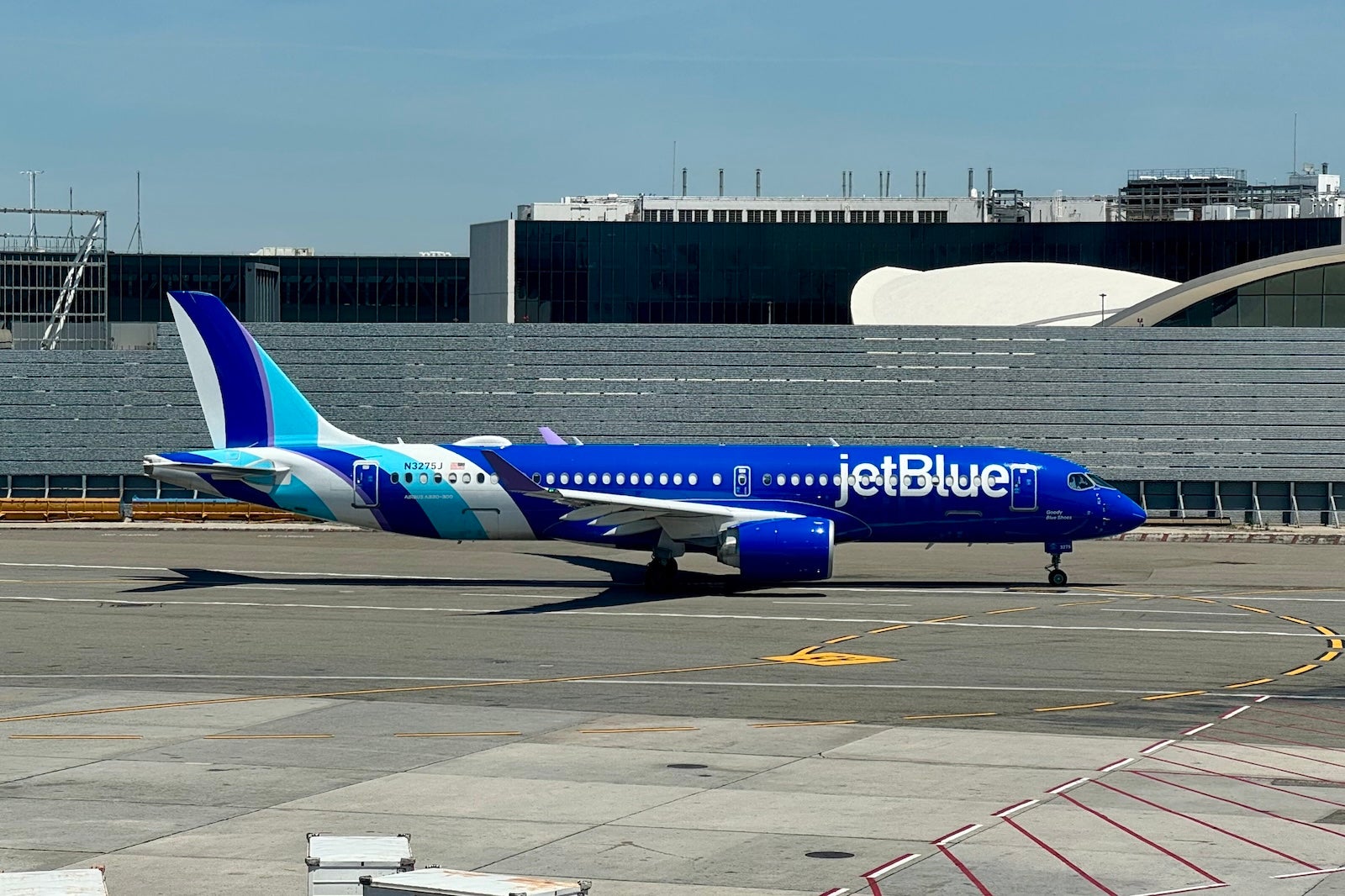
- Frontier has turned a profit only once since 2019 and JetBlue not at all since 2019, while federal data released Sept. 11 showed August airfares were up more than 23% year-over-year; Allegiant and JetBlue are also adding domestic first-class sections.
- Bill Franke's proteges run most of the U.S. airline industry: American Airlines CEO Robert Isom, former American CEO Doug Parker, and United CEO Scott Kirby all started under him at America West in Tempe, Arizona — a network Isom said started with Franke's "fast pay makes fast friends" betting rule.
Why it matters: The architect of American budget travel is now copying his richer rivals' premium playbook because the math stopped working: Frontier has booked a full-year profit only once since 2019, August airfares are up 23%, and Spirit's May bankruptcy eliminated the last ultra-low-cost competitor in the U.S., meaning every remaining carrier now has pricing leverage to charge more for the same seats.
Ask SkimNews