House Passes Russia Sanctions Bill Awaiting Trump — SkimNews
Get the Geopolitics newsletter
Daily geopolitics — wars, elections, sanctions, the diplomatic moves that move markets. Free.
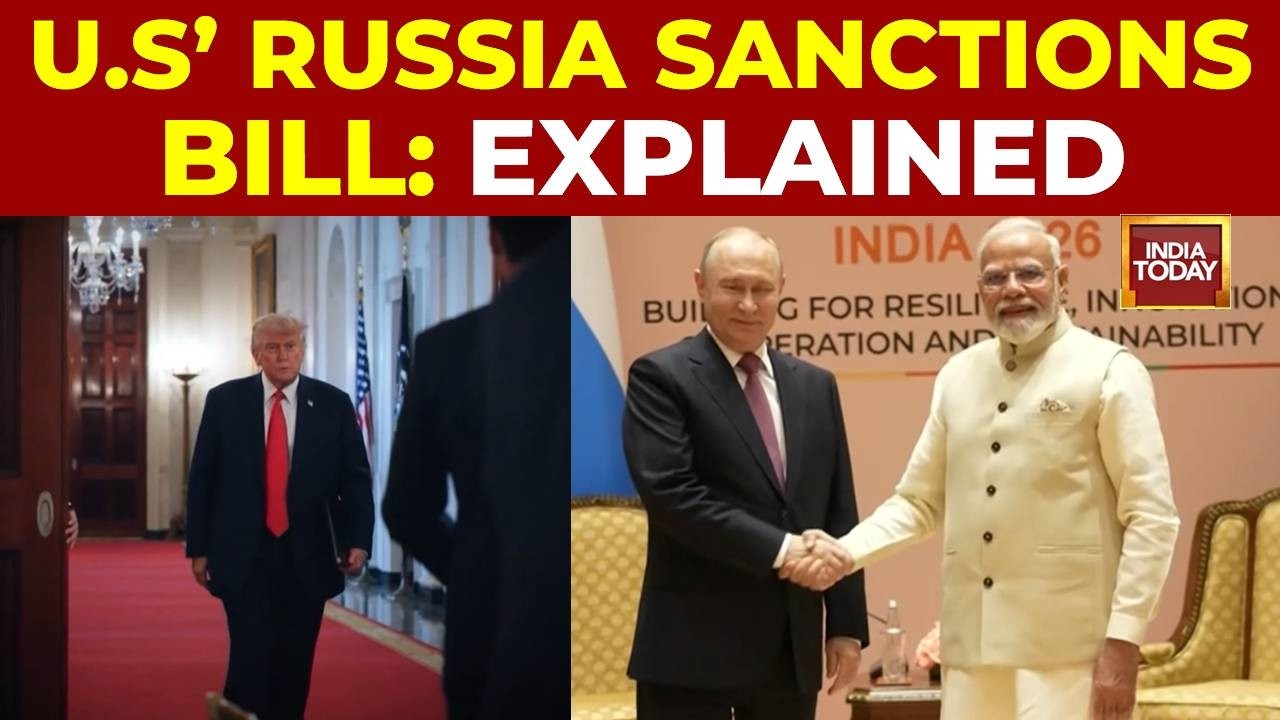
- The Lindsey O. Graham Sanctioning Russia and Iran Act of 2026 passed the House 262-159 on Wednesday, with 58 Democrats joining all but seven Republicans, after the Senate approved it 86-11 last month; the bill now awaits Trump's signature.
- Kremlin spokesman Dmitry Peskov warned that any additional US sanctions would "certainly complicate efforts to find a peace settlement in Ukraine," calling the legislation an "unfriendly action."
- The legislation targets Russia's energy and defence sectors and its shadow fleet of tankers, and grants Trump authority to impose tariffs of up to 100% on countries like China and India that continue buying Russian oil and gas; it also extends sanctions on Iran.
- President Volodymyr Zelenskyy backed the measure, saying "it is important that it becomes law. I thank everyone around the world who supports this approach and who knows that strength works."
- China's foreign ministry objected to the bill's secondary-tariff provisions, saying Beijing "consistently opposed long-arm jurisdiction that lacks a basis in international law and has not been authorised by the UN Security Council."
- India warned that tariffs linked to Russian oil purchases could affect bilateral ties and said it would "take all necessary measures to protect its trade and economic interests," with Indian trade analysts predicting Washington could use the threat to pressure New Delhi into a "deeply unequal trade agreement."
- Commerce Minister Piyush Goyal is due to travel to the US later this month for the G20 trade ministers' meeting, where he is expected to meet US Trade Representative Jamieson Greer to discuss the trade deal.
Why it matters: The bill hands Trump a binary choice with outsized consequences: sign it and impose up to 100% tariffs on China and India — two of the largest buyers of Russian crude — or veto it and break with the rare bipartisan coalition (262-159 House, 86-11 Senate) that assembled behind the measure. India has already threatened countermeasures, and China cited sovereignty objections, meaning the bill's real pressure points extend well beyond Russia.
Ask SkimNews