Trump narrows birthright citizenship order after Supreme Court loss
Get the Geopolitics newsletter
Daily geopolitics — wars, elections, sanctions, the diplomatic moves that move markets. Free.
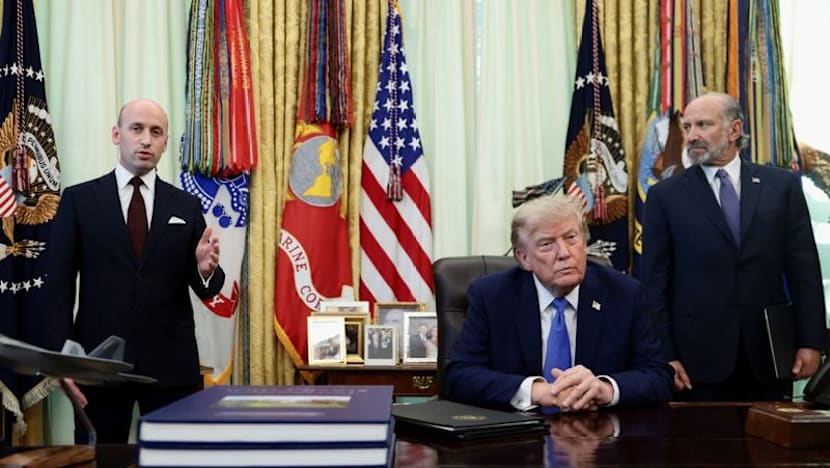
- President Donald Trump signed two immigration executive actions Thursday, with one narrowing birthright citizenship to exclude children born to adults tied to foreign embassies, anyone deemed an "alien enemy," and those whose parents engaged in fraud to obtain citizenship.
- A second order targets "birth tourism" by tightening visa restrictions on visitors seeking to give birth in the U.S., though the Migration Policy Institute estimates only about 26,000 of the roughly 3.5 million annual U.S. births fall into that category.
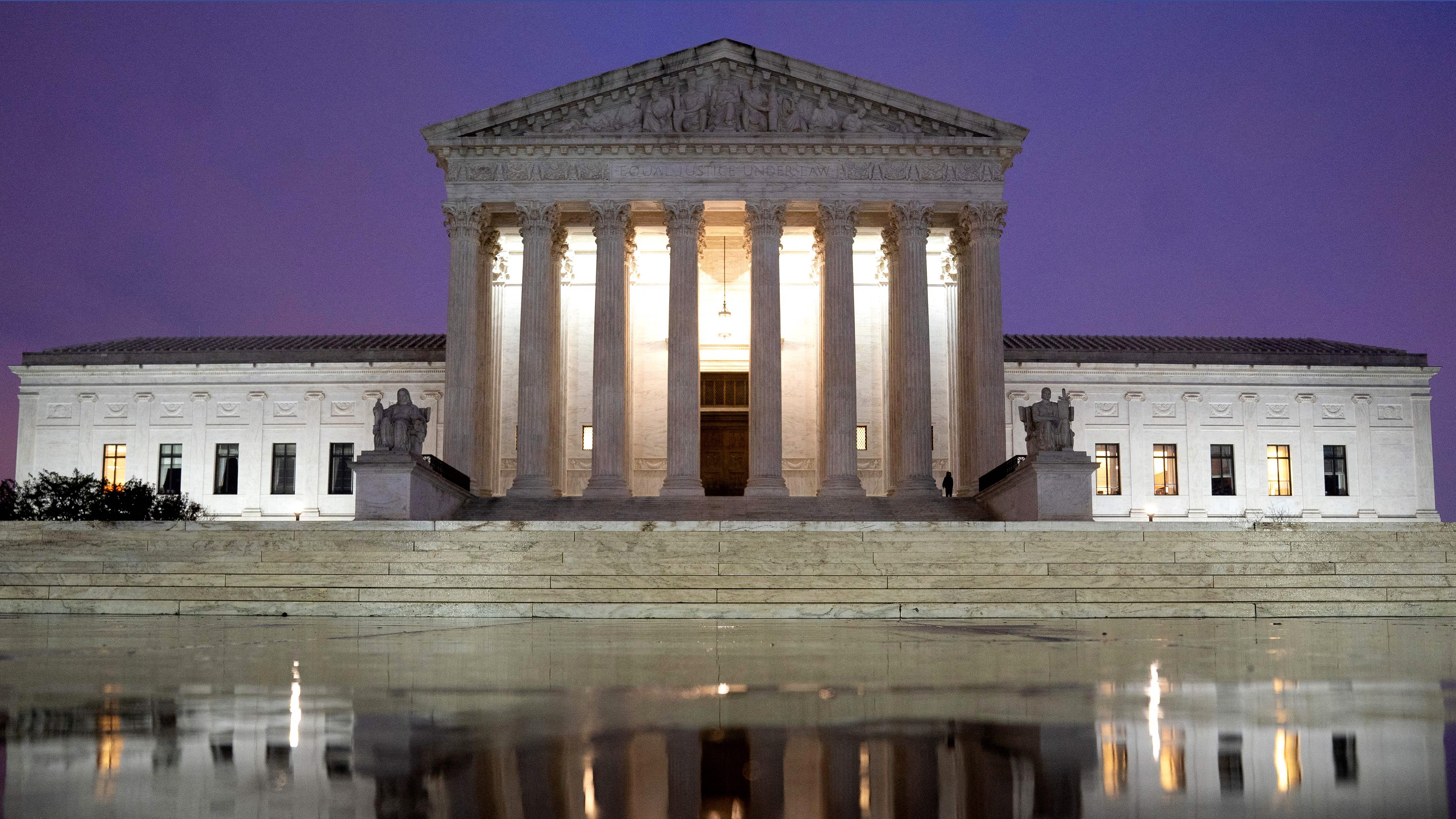
- The new order is narrower than Trump's first attempt, which the Supreme Court struck down in June by a 6-3 vote; on the core constitutional question, only five justices affirmed birthright citizenship, with Justice Brett Kavanaugh rejecting the order on narrower statutory grounds.
- Trump called the prior ruling "very unfair" and said he believed his latest actions would be constitutional, telling reporters: "Our country suffers because of it and we're ending it a different way."
- The American Civil Liberties Union predicted the second order would also fail, with deputy director Cody Wofsy stating that "the Supreme Court already decided this issue" and no executive order can rewrite the Constitution's meaning.
- Trump's first birthright citizenship order, signed on his first day in office for his second term, was immediately challenged and blocked by lower courts and never took effect; opponents argued it violated the 14th Amendment's citizenship clause.
Why it matters: With the Supreme Court having already rejected a broader version of this order 6-3 — and only five justices backing the constitutional question — Trump's narrower second attempt sets up another legal showdown over the 14th Amendment, while immigration advocates warn it risks creating a second class of Americans. The administration is betting that by targeting specific categories rather than all children of non-citizens, it can survive court review and keep birthright citizenship as a rallying issue.
Ask SkimNews