Japan, Philippines Form Working Group on Abukuma Destroyer Transfer — SkimNews
Get the Geopolitics newsletter
Daily geopolitics — wars, elections, sanctions, the diplomatic moves that move markets. Free.
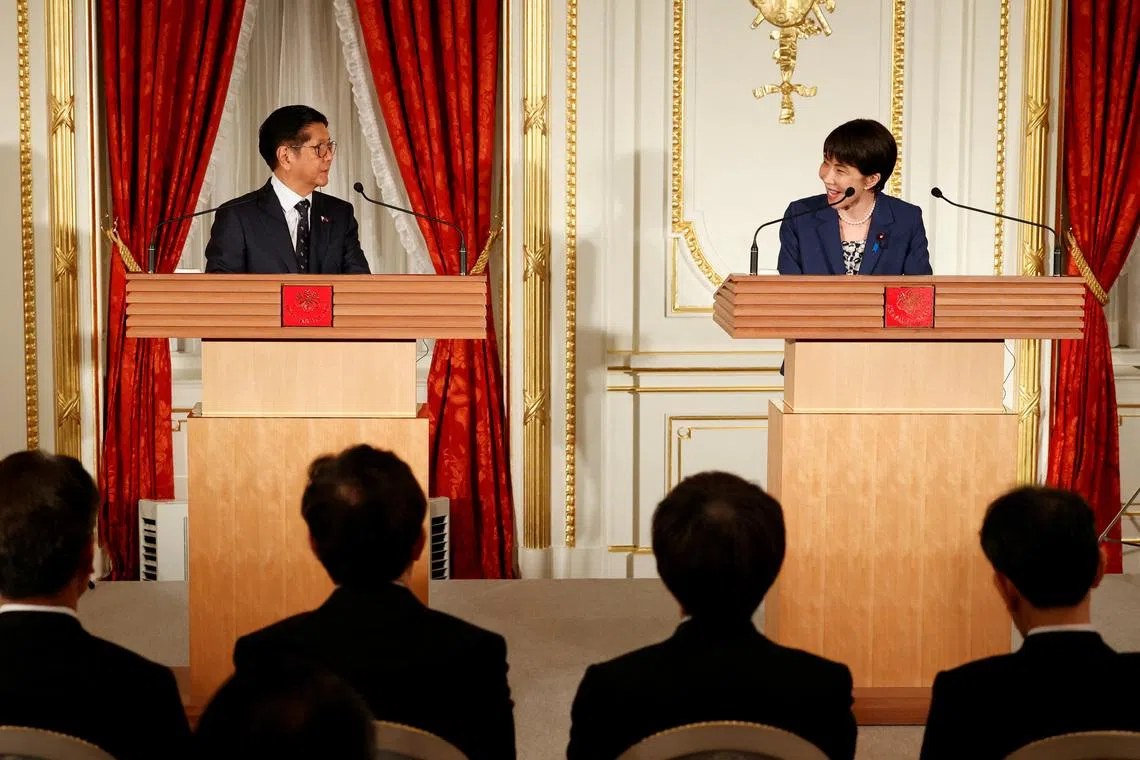
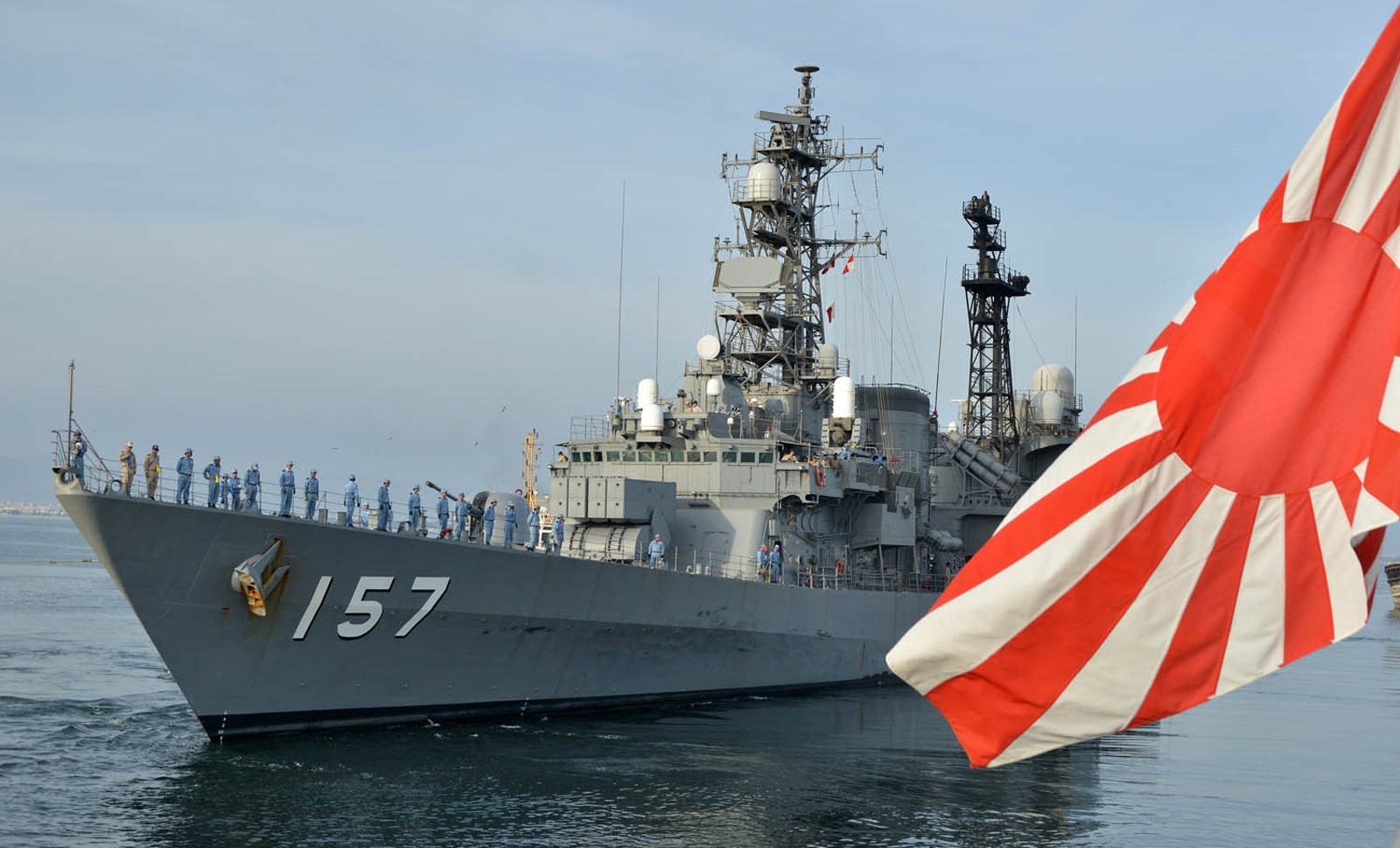
- Japan and the Philippines agreed on May 5 in Manila, following talks between Koizumi Shinjiro and Gilberto Teodoro, to establish a bilateral working group examining the transfer of JMSDF vessels and aircraft, including Abukuma-class destroyer escorts and TC-90 training aircraft.
- If realized, the Abukuma transfer would mark Japan's first export of lethal military equipment under its revised "Three Principles on Transfer of Defense Equipment and Technology," updated on April 21 to permit such transfers under specific conditions.
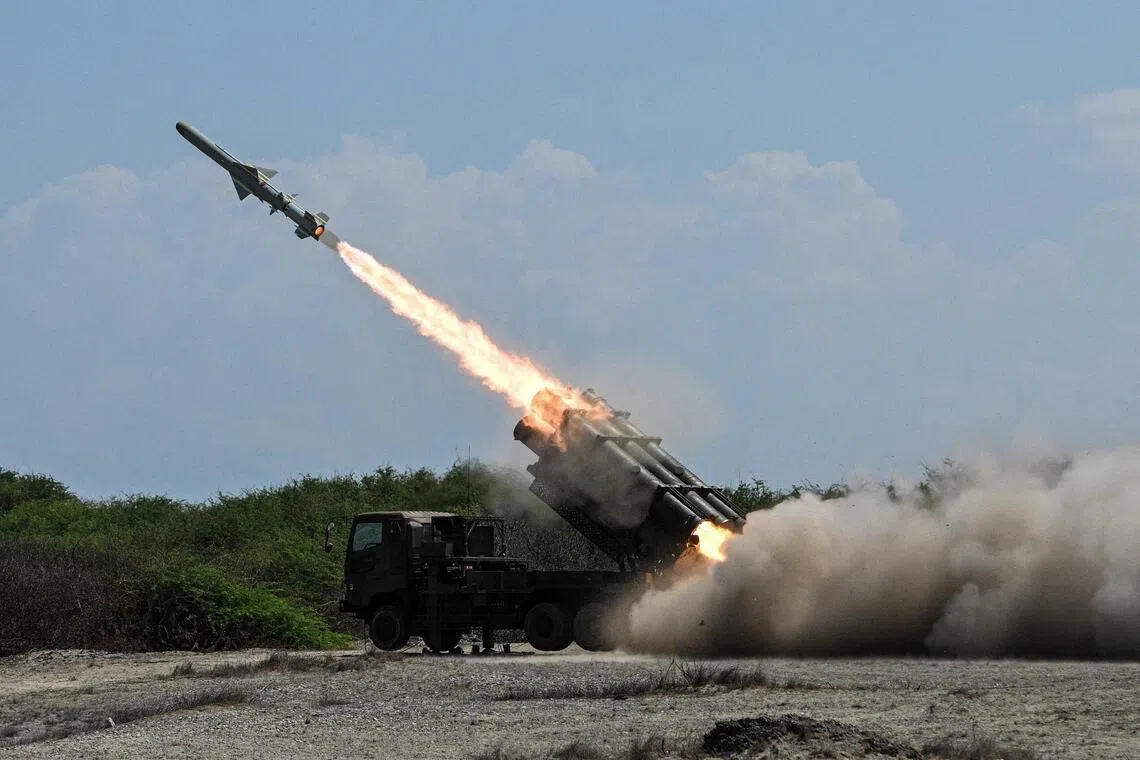
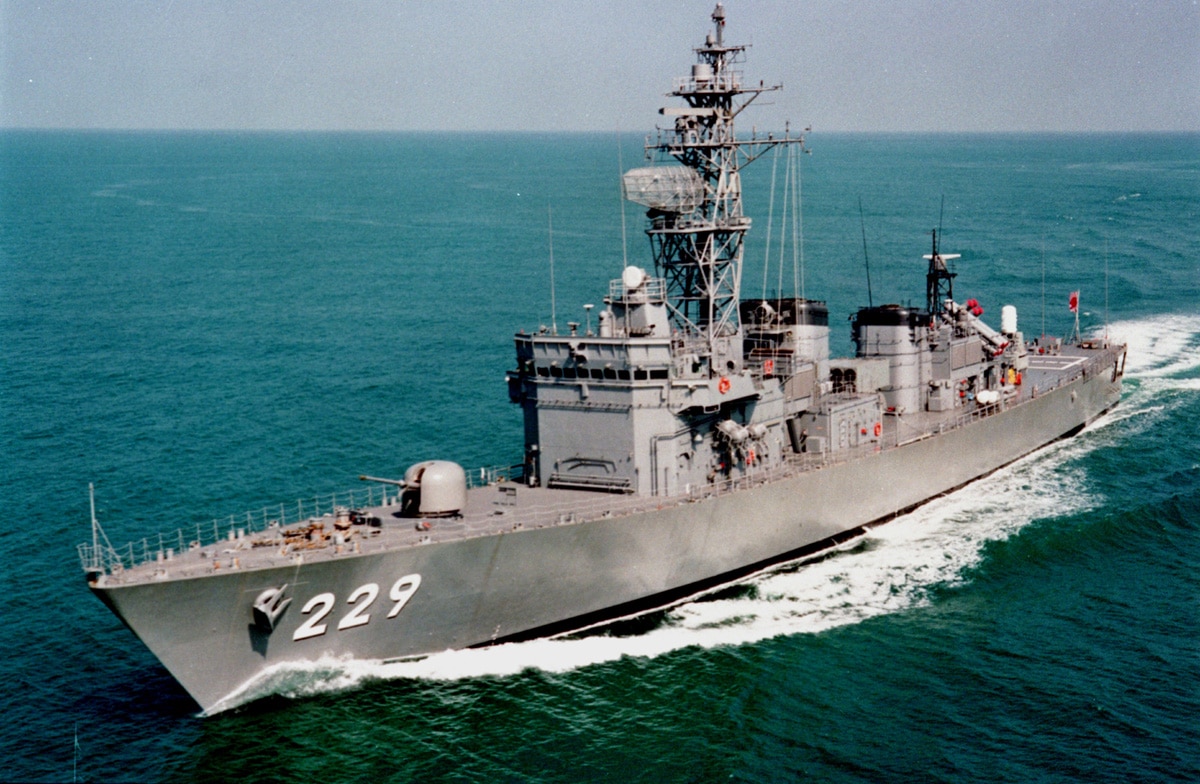
- The Abukuma-class comprises six ships commissioned between 1989 and 1993, displacing roughly 2,000 tons, armed with a 76mm gun, CIWS, Harpoon anti-ship missiles, ASROC rockets, and lightweight torpedoes — capabilities suited to littoral and archipelagic operations.
- Japanese officials are reportedly weighing a grant-based transfer, with delivery possible as early as 2027, though additional legal arrangements would be required.
- The Philippines fields only two José Rizal-class frigates (built by South Korea's Hyundai Heavy Industries) with the more capable Miguel Malvar-class just entering service, against China's fleet of more than 400 vessels — a gap the Abukuma hulls could partially bridge.
- Interoperability poses a hurdle: Manila's recent South Korean-built acquisitions create a standardized logistics and training base, and integrating Japanese vessels would require adjustments in maintenance, supply chains, and crew training.
- Defense ties are already expanding — a Reciprocal Access Agreement entered into force in 2025, Japan has previously delivered TC-90s and air surveillance radars, and the working group is also expected to examine additional aircraft and radar transfers.
Why it matters: This working group would test whether Japan's post-2014 defense export relaxation produces a first lethal-equipment sale, and the timeline matters: a grant-based Abukuma transfer as early as 2027 could give the Philippine Navy extra hulls years before new-build frigates arrive under Manila's Re-Horizon 3 program, which faces implementation delays and a roughly 2-trillion-peso budget. The deal also locks the Philippines into a second major supplier ecosystem alongside South Korea, complicating fleet sustainment.
Ask SkimNews