Ultra-processed foods linked to thigh muscle fat on MRI — SkimNews
Get the Health newsletter
Daily health & science — research, biotech, public health, the studies worth knowing. Free.
- Researchers found that participants who ate more ultra-processed foods showed greater intramuscular fat in their thighs on MRI scans, in a study of 615 adults from the NIH's Osteoarthritis Initiative who showed no signs of osteoarthritis at baseline
- Zehra Akkaya, M.D., lead author and UCSF researcher, said the association held even after controlling for total calorie intake, fat intake, physical activity, and sociodemographic factors
- Participants averaged age 60 with a BMI of 27 (overweight range); about 41% of the food they reported eating over the previous year was classified as ultra-processed
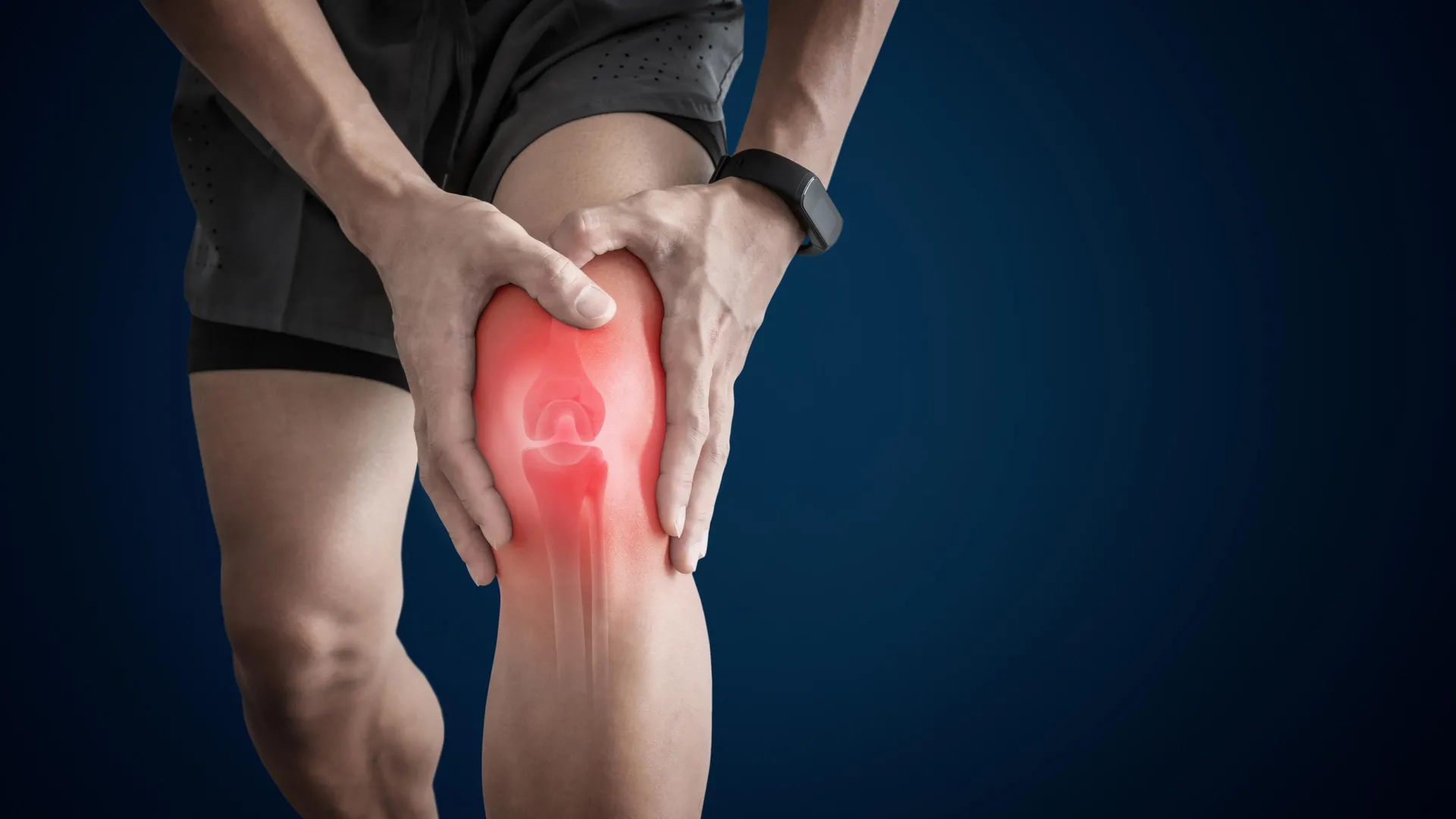
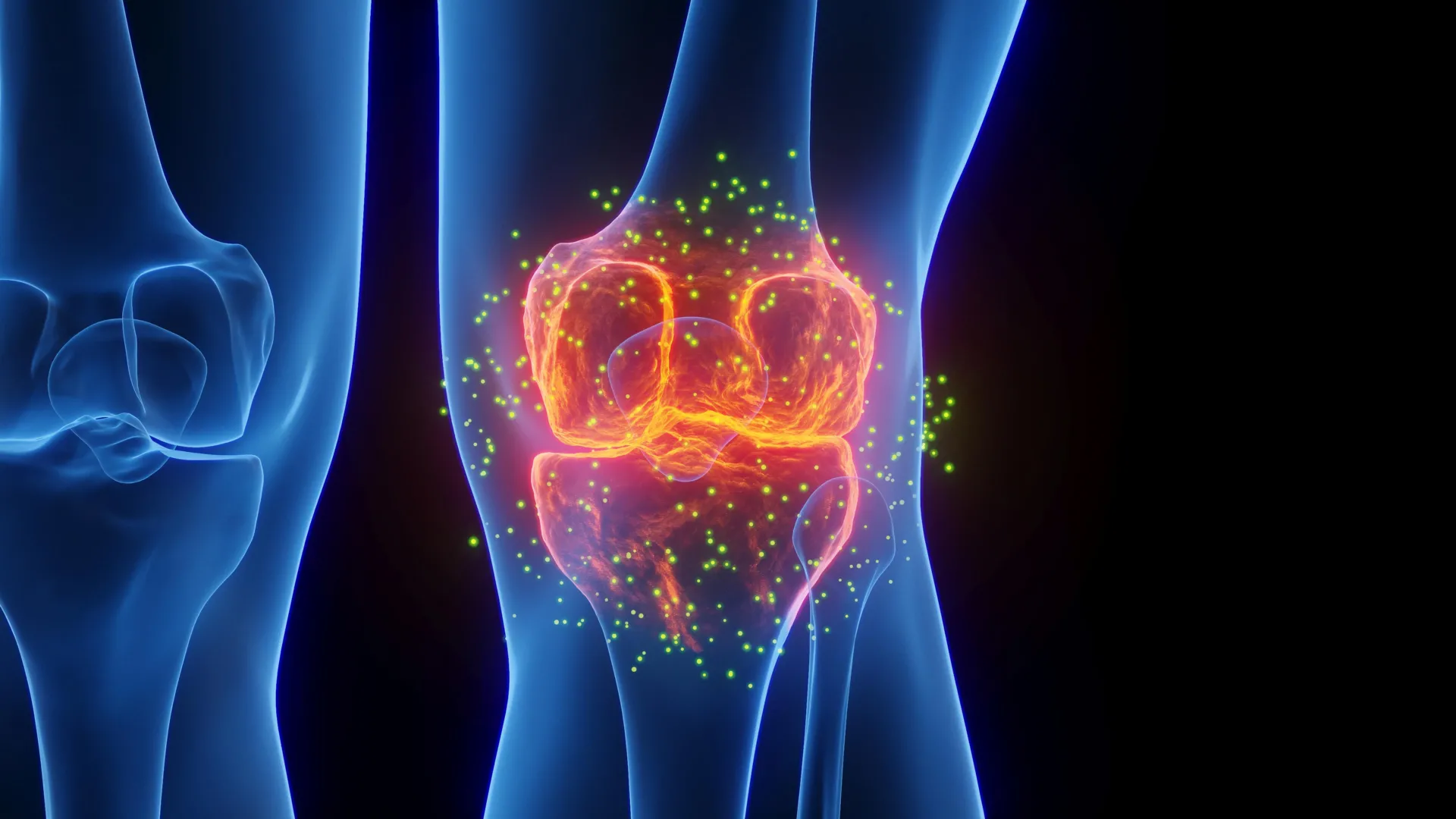
- MRI scans revealed fatty degeneration of muscle tissue — streaks of fat appearing within muscle rather than uniform muscle fibers — which the researchers said may weaken knee support and increase osteoarthritis risk
- The study, published in Radiology, is the first to use MRI to assess ultra-processed food's impact on thigh muscle composition, and relied on widely available non-enhanced MRI scans the authors said could be incorporated into routine clinical use
- Akkaya said osteoarthritis constitutes one of the largest non-cancer-related health care costs in the U.S. and globally and is highly linked to obesity and unhealthy lifestyle choices, arguing weight-loss regimens should account for diet quality beyond caloric restriction
Why it matters: The findings challenge the calorie-centric approach to obesity-driven knee osteoarthritis: participants consumed an average 41% ultra-processed food intake, yet measurable muscle-fat changes correlated with diet quality independent of calories or activity — suggesting clinicians advising the overweight, at-risk population may need to emphasize food type, not just quantity.
Ask SkimNews