Artemis II Moon Photos Spark Science vs Art Debate — SkimNews
Get the Energy newsletter
Daily energy & climate — solar, EVs, oil, the policy fights and tech bets shaping the transition. Free.
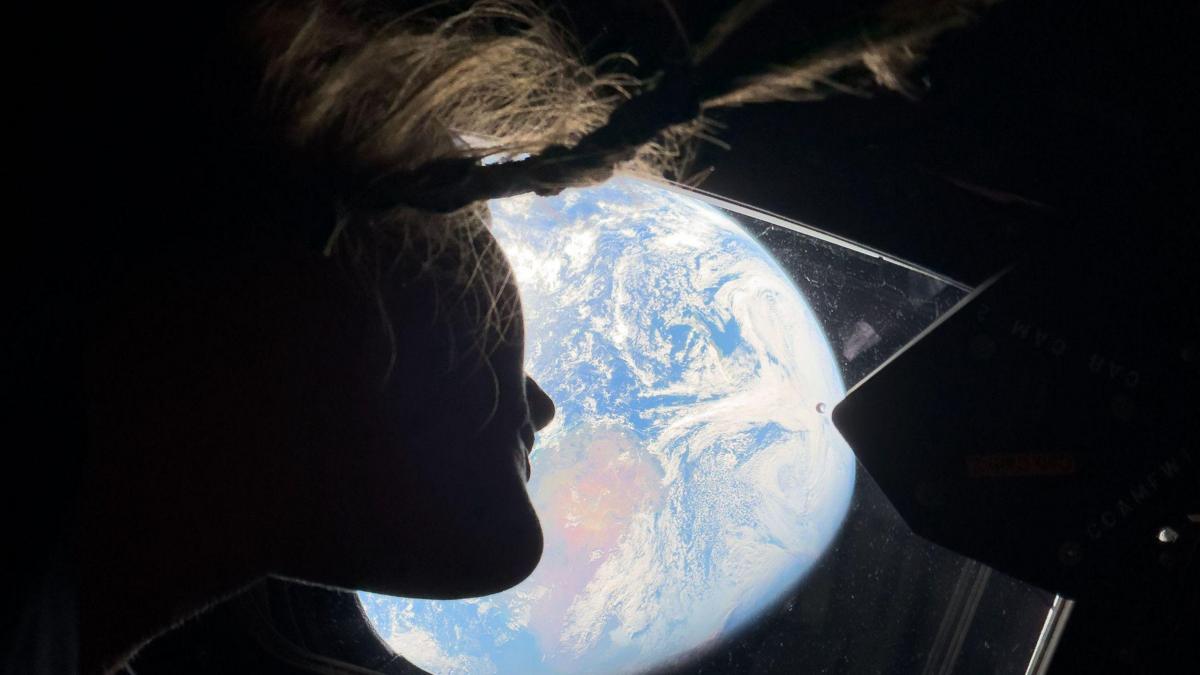
- Artemis II is streaming its 10-day journey live, with astronauts using 32 cameras — 15 mounted on the Orion spacecraft and 17 handheld — including 10-year-old Nikon D5s, GoPros, and smartphones, marking the first time digital cameras have traveled this far into space.
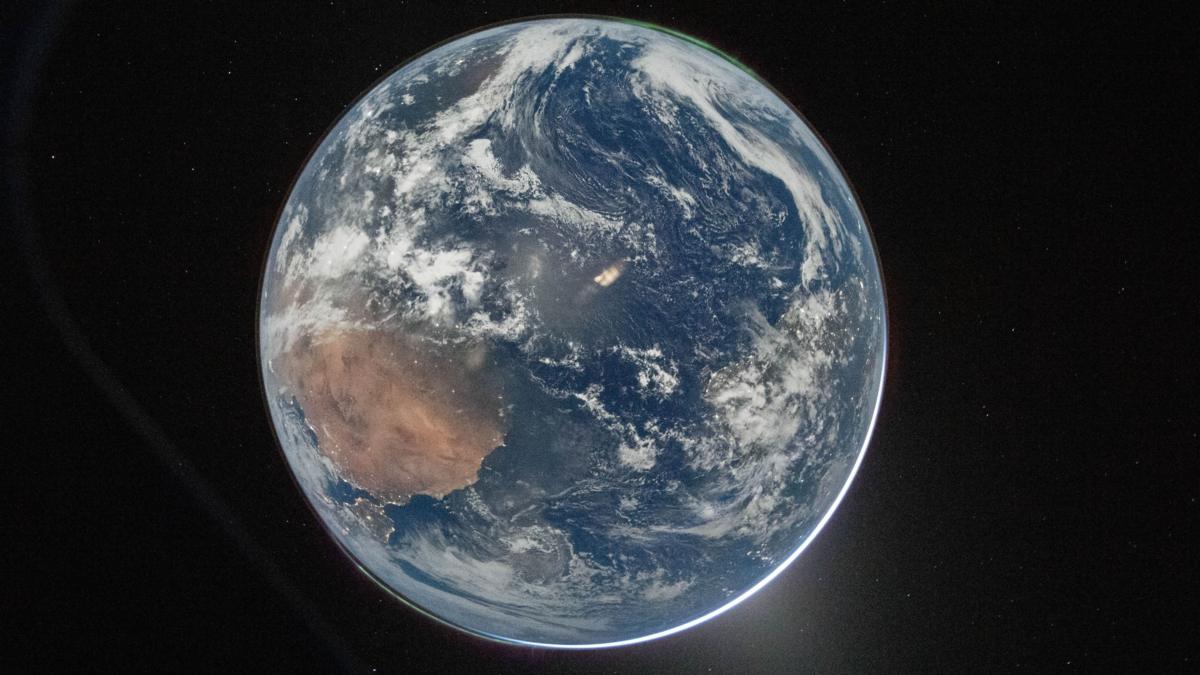
- Commander Reid Wiseman captured the "Hello, World" photo from 142,000 miles (228,500 km) from Earth and 132,000 miles from the Moon, showing Earth eclipsing the Sun with the Sahara, Iberian Peninsula, and eastern South America visible alongside Venus.
- NASA released an image of the Orientale basin ahead of Monday's lunar fly-by — which will pass within 4,066 miles of the surface — claiming it marks "the first time the entire basin has been seen with human eyes," something even Apollo astronauts missed due to their orbit and lighting conditions.
- Chris Lintott, Professor of Astrophysics at the University of Oxford and co-host of BBC's The Sky at Night, said the images' value is "artistic, not scientific," pointing out that India's Chandrayaan-3 (2023) and China's Chang'e-6 (2024) have already mapped and sampled the far side, and noted that "unless something very unusual happens, there will be nothing for the astronauts to discover."
- The mission carries political weight beyond science: the US is locked in a space race with China to return humans to the Moon, NASA faces pressure to prove its worth after President Donald Trump "gutted the funding of many scientific institutions," and private operators like SpaceX are raising the bar for the agency.
- Artemis II is the furthest humans have traveled from Earth since 1972, and the photo releases — attracting millions of social media likes — draw a deliberate parallel to astronaut Bill Anders' 1968 Earthrise photo, which NASA hopes will deliver a moment of comparable cultural resonance.
Why it matters: NASA faces a credibility test as it competes with China in a renewed Moon race while operating under funding cuts from President Trump and rising competition from SpaceX. The article's core tension — a leading astrophysicist calling the images "artistic, not scientific" while robotic probes have already done the lunar science — reframes the mission's value as geopolitical signaling and public engagement rather than new discovery.
Ask SkimNews