Japan pours trillions into defence industry rebuild — SkimNews
SkimNews Take
Elevating defense industry to "core national power" reframes Japan's investment as sustaining wartime production capacity — not just acquiring systems — absorbing Ukraine's lesson that industrial throughput can decide prolonged conflicts.
Get the Geopolitics newsletter
Daily geopolitics — wars, elections, sanctions, the diplomatic moves that move markets. Free.
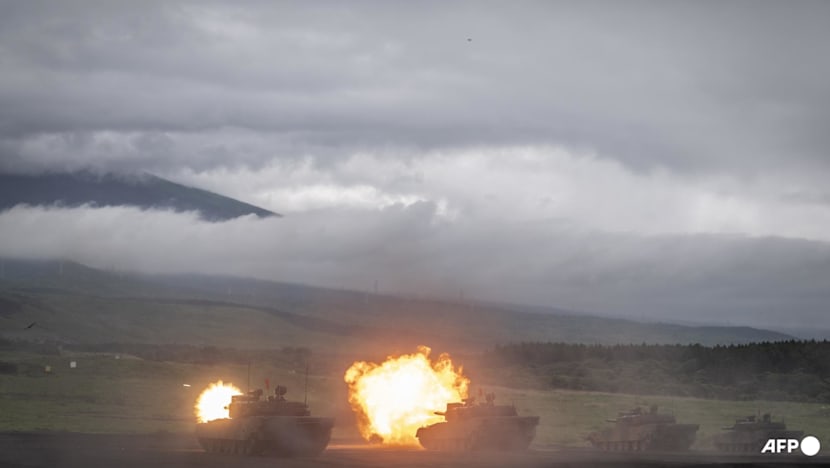
- Japan's Defence Ministry released its 2026 white paper on Aug 4, themed "Security For The Future," identifying China as "an unprecedented and the greatest strategic challenge," North Korea as "an even more grave and imminent threat," and noting Russia's deployment of advanced military equipment in the Far East.
- Prime Minister Sanae Takaichi's Cabinet approved the "honebuto" economic blueprint two weeks earlier, calling for "transformation of defence capabilities within five years" and citing allies' spending targets—NATO (3.5% by 2035), South Korea (3.5% ASAP), and Australia (3% by 2033).
- Japan's April 2026 decision eased restrictions on lethal weapons exports, now permitted to 17 countries with which it holds defence transfer agreements, subject to strict vetting.
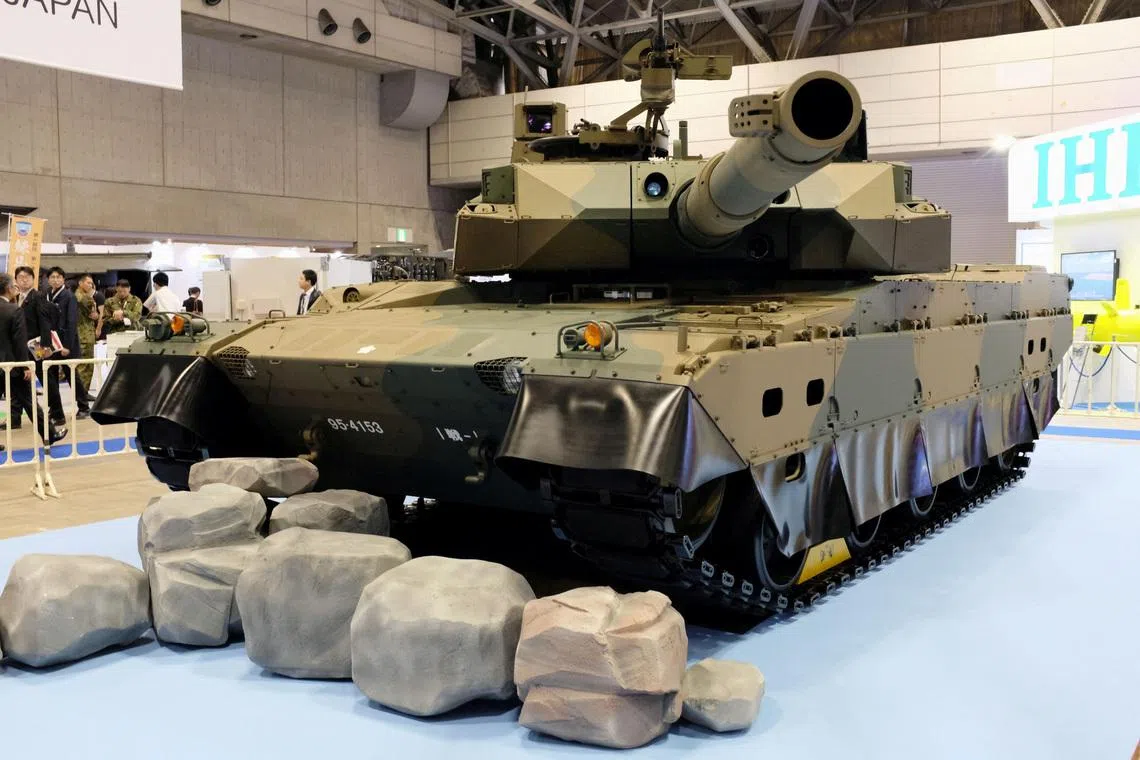
- The 2023 Act on Enhancing Defense Production and Technology Bases raised government contractor profit margins to a maximum of 15%, up from 8%, driving Stable Manufacturing Plan approvals from 36 in fiscal 2023 to 164 in fiscal 2025, with SME approvals surging from 13 to 124.
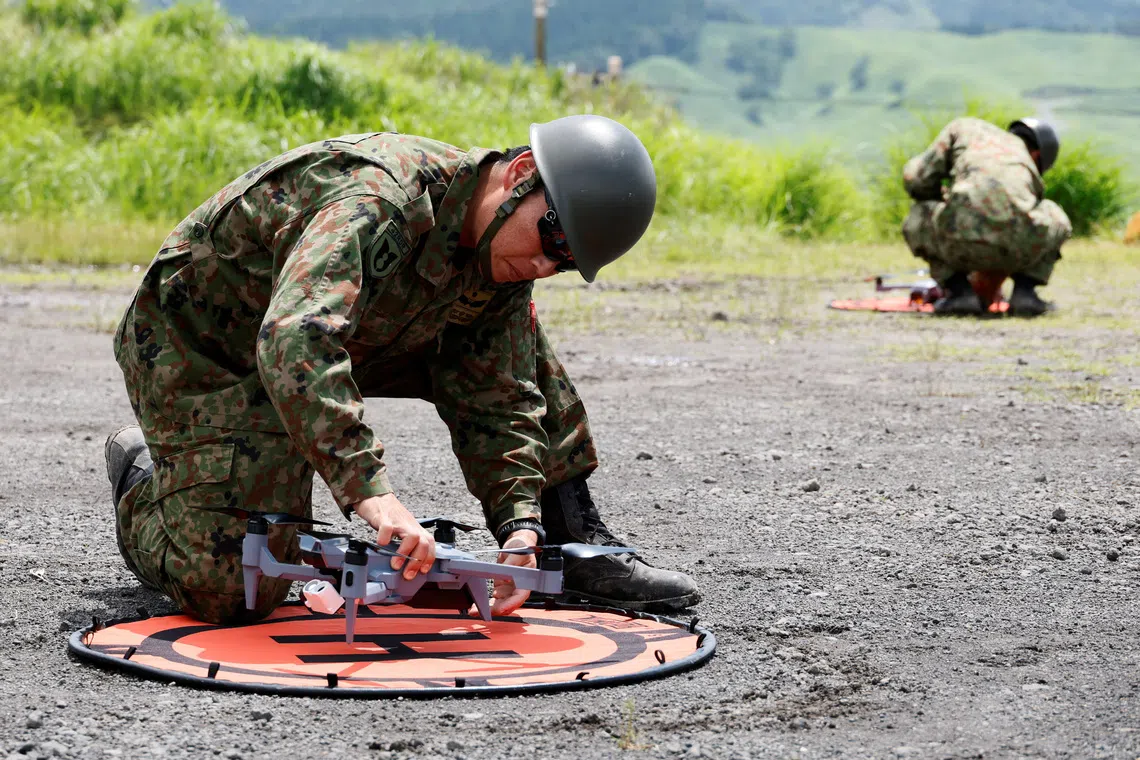
- Heng Yee Kuang of the University of Tokyo noted the F-15J fighter alone involves an estimated 1,100 supply chain companies, roughly 80% of which are SMEs—a sign that Japan's traditionally top-down defence ecosystem is broadening toward nimble start-ups in space and drones.
- The white paper serves as a prelude to Japan's revision of its three core security documents—the National Security Strategy, National Defence Strategy, and Defence Buildup Programme—by the end of 2026.
Why it matters: Japan's defence-industrial transformation—SME plan approvals roughly quadrupling in two fiscal years and lethal arms exports now cleared for 17 vetted partners—repositions post-war Japan as a defence exporter and aligns its industrial base with US and allied procurement networks. For Japan's domestic economy, the policy explicitly links defence spending to skilled-job creation and regional revitalisation.
Ask SkimNews