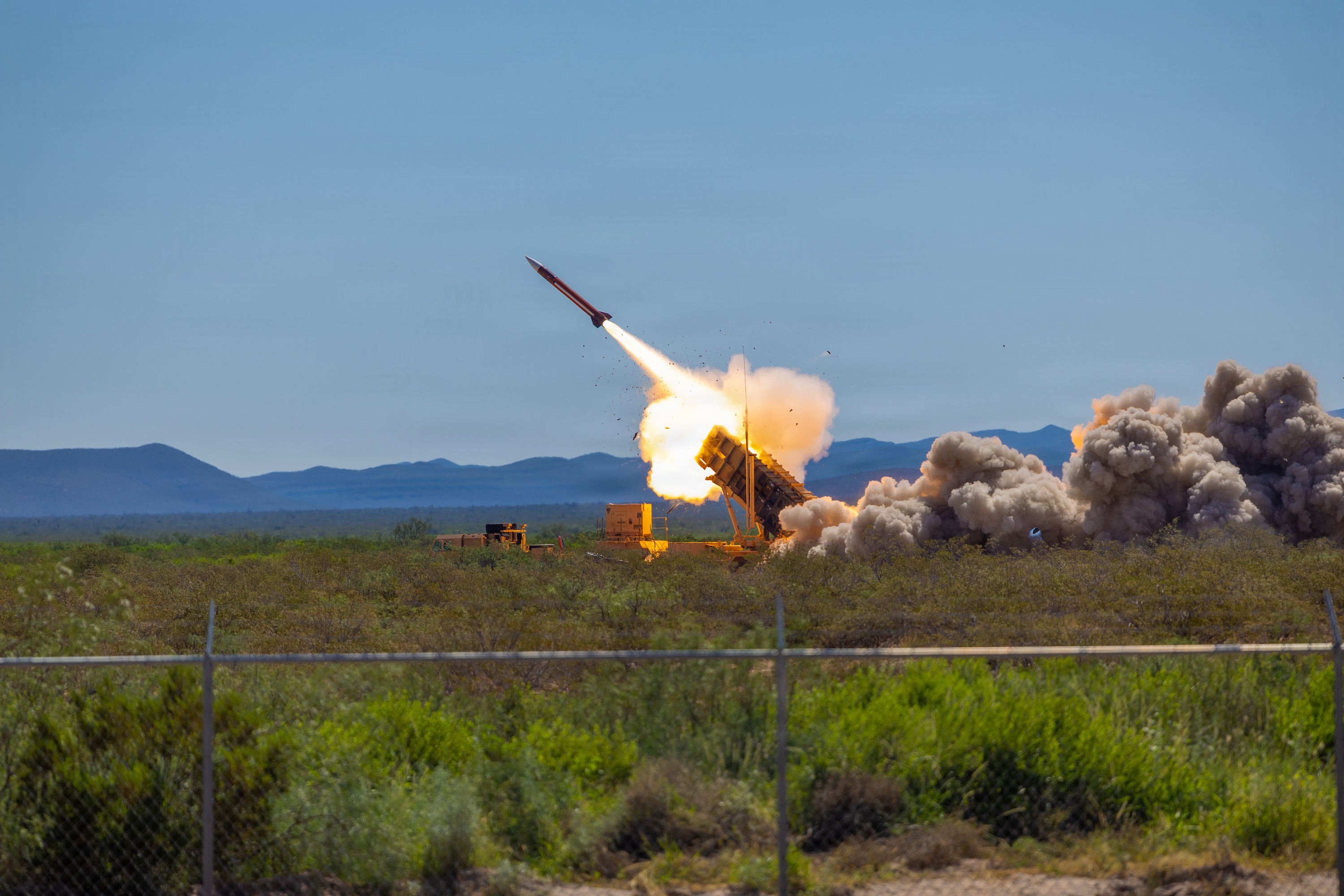
Zelensky's Freya missile plan faces steep hurdles
Get the Geopolitics newsletter
Daily geopolitics — wars, elections, sanctions, the diplomatic moves that move markets. Free.
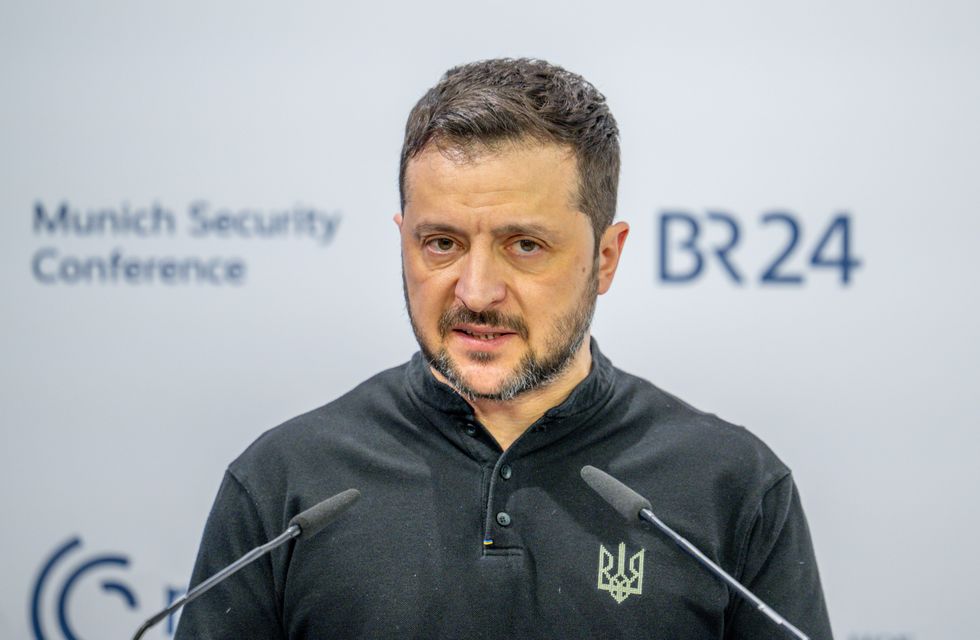
- Volodymyr Zelensky promoted the Freya missile defense system at the NATO summit, arguing it could neutralize Russia’s ballistic missile advantage and anchor Ukraine in Europe’s security architecture.
- Freya, a Ukrainian-developed air defense system by Fire Point, uses modified Soviet-era missiles costing $700,000 each—less than 25% of the U.S. PAC-3’s $4 million price tag—and adds a second guidance system to improve accuracy.
- Fire Point relies on foreign technology for radars, command-and-control systems, and early warning sensors, seeking inputs from Sweden, France, Italy, and Norway to make the system operational.
- Nine European countries agreed to invest in Freya at a Paris summit, treating it as a potential pan-European air defense platform, though no details on funding or technology transfer were disclosed.
- Ukraine lacks the domestic funding and industrial capacity to produce Freya at scale, making it dependent on European investment and joint ventures, which could perpetuate its security reliance despite aspirations for sovereignty.
- Denys Shtilerman, founder of Fire Point, claims Freya’s open architecture and use of NATO Link 16 protocol will give Ukraine full control, but export controls and integration challenges threaten delays and limitations.
- Fire Point aims to field an operational Freya by late 2026, but experts argue that given the complexity of integrating multinational components, a two-year delay is more likely, leaving Ukraine exposed through the next winters.
Why it matters: Ukraine risks trading dependence on U.S. systems like Patriot for reliance on European partners through Freya, without guaranteeing faster protection or long-term autonomy. The project’s success hinges on sustained funding and cooperation from nine nations—precisely the kind of multilateral effort that has failed before, like France and Germany’s collapsed FCAS fighter program.