Four dead as Isaias weakens to post-tropical cyclone after striking Florida panhandle — SkimNews
Get the Energy newsletter
Daily energy & climate — solar, EVs, oil, the policy fights and tech bets shaping the transition. Free.
- Hurricane Isaias killed four people after making landfall late Friday as a Category 2 storm on Florida's panhandle, with deaths in Escambia County (two, including one person found dead in a garage with a running generator), Birmingham (tree on home), and Barbour County, Alabama (motor vehicle crash involving a downed tree).
- Isaias weakened to a post-tropical cyclone by Saturday as it moved through central Alabama, though the National Hurricane Center warned of continued flooding and tornado threats across the Florida panhandle, southern Alabama, Georgia, and the Carolinas.
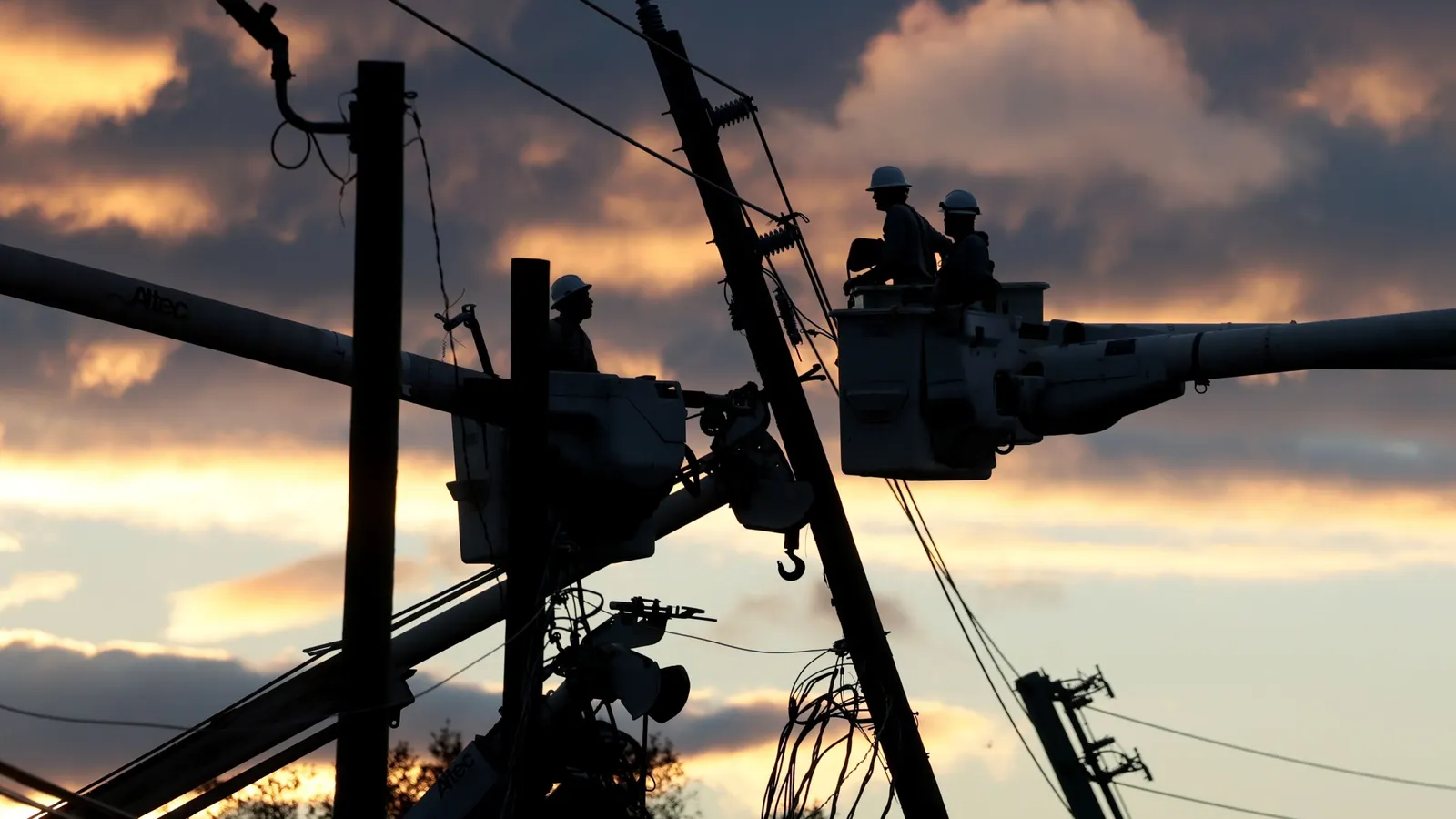
- Nearly 550,000 customers remained without power across Florida, Alabama, and Georgia on Saturday afternoon, down from more than 900,000 earlier that day, according to PowerOutage.us.
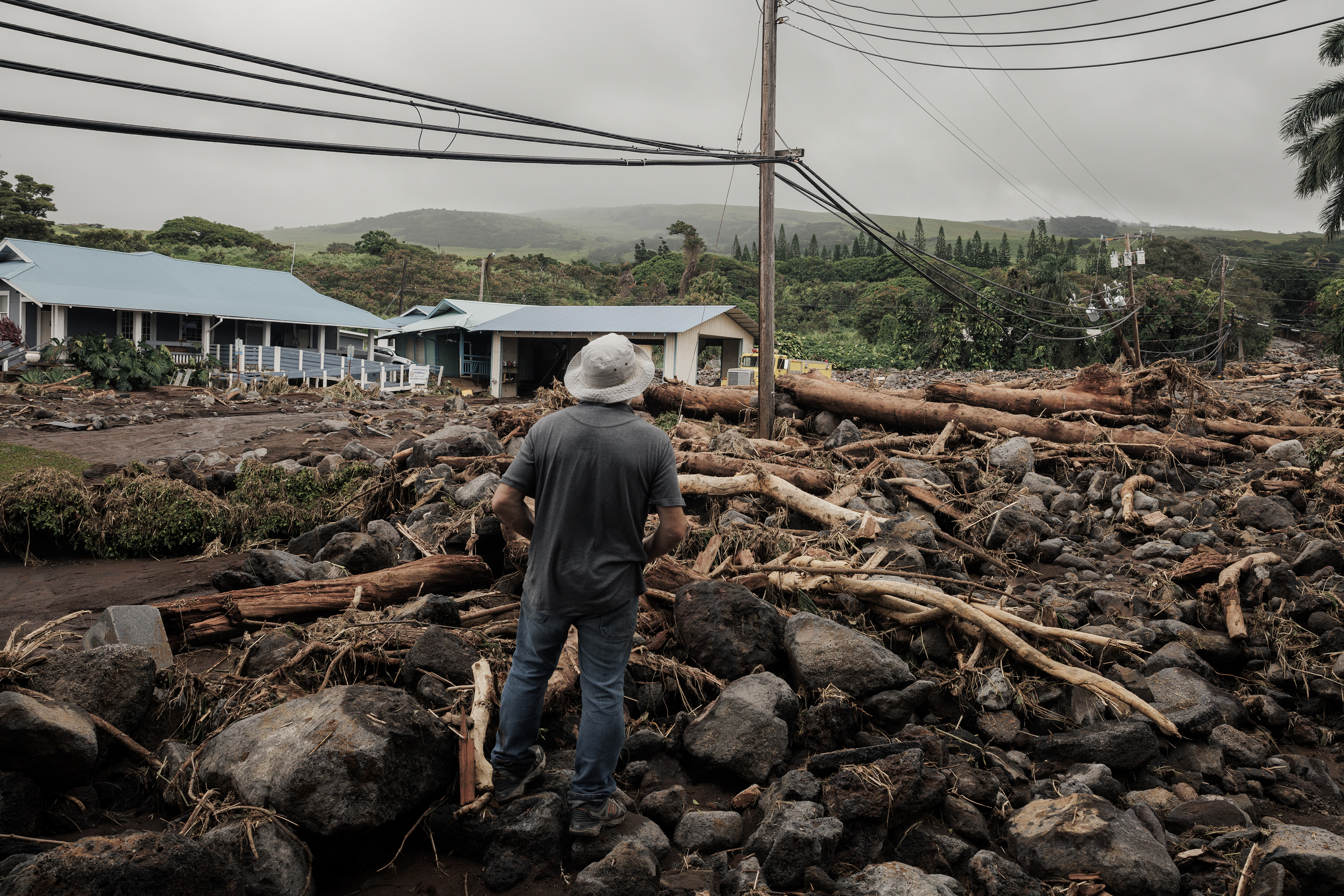
- Storm damage in Florida included the roof being blown off a Pensacola hotel, damage to Pensacola's airport, a flattened boathouse in Destin, and a torn facade on a Panama City Beach high-rise.
- Donald Trump approved FEMA resources for Georgia on top of earlier emergency declarations for Florida and Alabama; governors Ron DeSantis and Kay Ivey urged residents to avoid generator hazards and flooded roads, with four family members hospitalized for carbon monoxide poisoning linked to the generator death.
- Isaias ties the record for latest-forming Atlantic hurricane — set on October 8, 1905 — and formed with maximum sustained winds of 105 mph, defying NOAA's preseason prediction of a quiet year with only three to six hurricanes.
- Forecasters project 4–8 inches of rain across southern Alabama, the Florida panhandle, Big Bend, and southwest Georgia through Sunday, with localized totals up to 15 inches possible in rain bands.
Why it matters: Isaias's October formation ties a 116-year-old record and defies NOAA's below-average season forecast, exposing the limits of seasonal prediction. More than 550,000 customers lost power across three states, four people died (one from carbon monoxide poisoning that officials explicitly warned about), and recovery costs will fall on FEMA, Florida, Alabama, and Georgia simultaneously.
Ask SkimNews