Four dead as Isaias weakens to post-tropical cyclone after striking Florida panhandle — SkimNews

Get the Energy newsletter
Daily energy & climate — solar, EVs, oil, the policy fights and tech bets shaping the transition. Free.
- Isaias killed at least four people — two in Escambia County, Florida (one from carbon monoxide poisoning after running a generator in a closed garage) and two in Alabama from trees falling on homes — with four family members of the generator victim hospitalized for carbon monoxide poisoning.
- Power outages affected more than 679,000 customers across Florida, Alabama, and Georgia on Saturday afternoon, down from a Saturday peak above 900,000, as cleanup got underway in the Florida panhandle.
- Isaias tied a record set on 8 October 1905 as one of the two latest-forming first Atlantic hurricanes on record, and no prior named storm in the 2026 Atlantic season had intensified beyond tropical storm status despite NOAA's preseason forecast of three to six hurricanes.
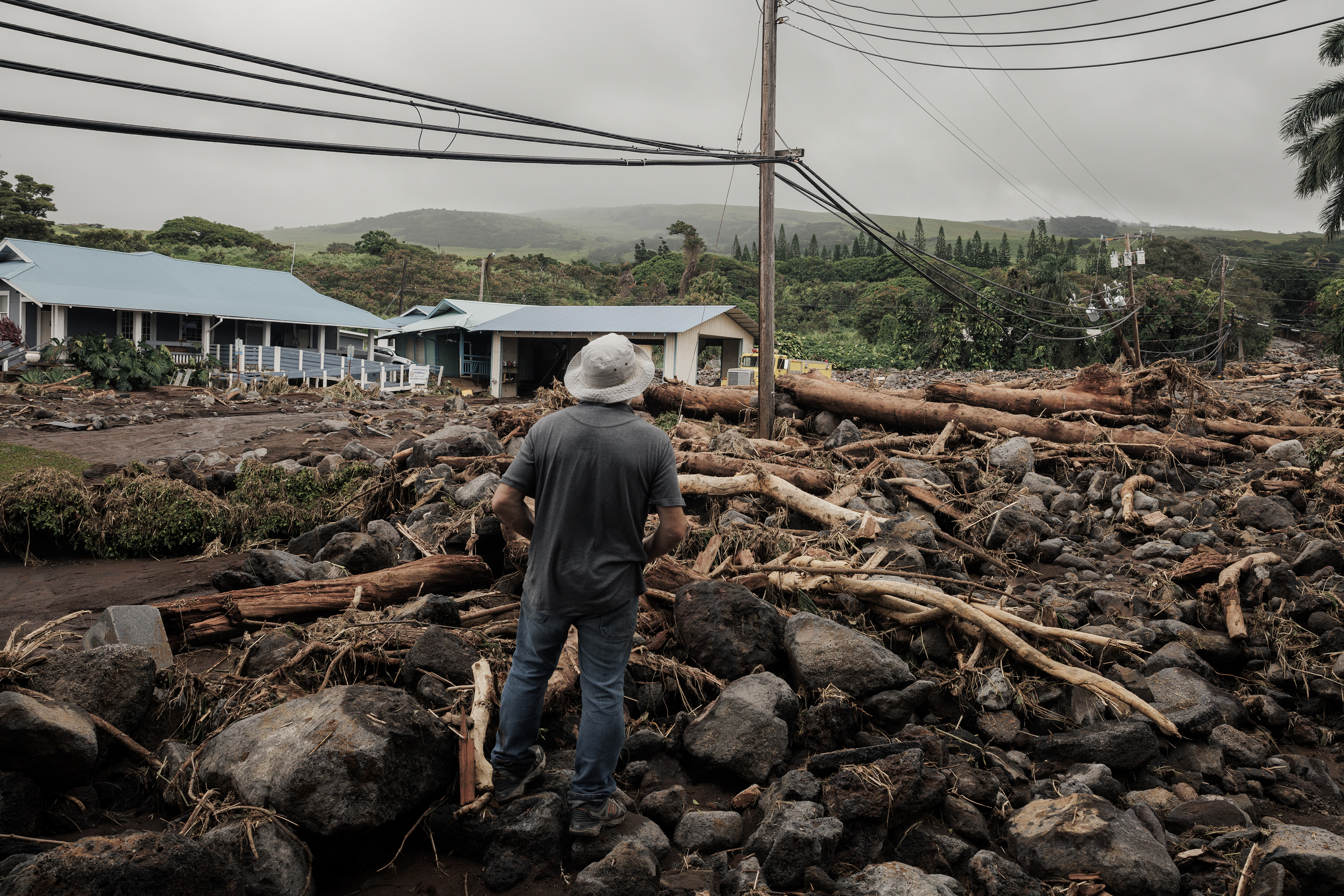
- The National Hurricane Center discontinued storm surge and tropical storm warnings but warned of continued flash flooding, tornado, and landslide risks across the Florida panhandle, southern Alabama, southwestern Georgia, and the southern Appalachians, with 4–8 inches of rain forecast and localized totals up to 15 inches.
- Florida Governor Ron DeSantis urged residents not to run generators indoors after the carbon monoxide death, and Florida DOT Secretary Jared Perdue warned against driving through standing water, saying it 'does not have to be that deep' to be deadly.
- The storm's landfall near Destin, Florida, ended a stretch without a mainland US hurricane that had lasted since Hurricane Milton in October 2024.
- Residents in the panhandle described sudden destruction — Ashley Weeks of Crestview told WEAR a backyard tree crashed through her roof with a sound 'like a bomb went off,' while Pensacola's Tim Mowry told the AP the 105 mph winds sounded like 'a train whistle.'
Why it matters: Isaias tied a 1905 record for the latest-forming first Atlantic hurricane and arrived after NOAA had forecast a below-average season — yet it still killed four people and knocked out power to more than 679,000 customers across three states. One death was a preventable carbon monoxide poisoning from a generator, underscoring how a weakening post-tropical system can be as lethal through indirect hazards as through wind and surge.
Ask SkimNews