EU Introduces Flexibility in Methane Import Rules — SkimNews
SkimNews Take
Shifting from per-cargo to national-level methane compliance effectively outsources verification to exporting governments themselves, weakening enforcement rigor at the exact moment supply pressures make accurate tracking most politically uncomfortable.
Get the Energy newsletter
Daily energy & climate — solar, EVs, oil, the policy fights and tech bets shaping the transition. Free.
- European Commission will introduce flexibilities to EU methane regulations for imported oil and gas, allowing compliance without tracing emissions to individual cargoes; exporters only need to demonstrate a sufficient share of national production meets standards.
- EU methane law will be expanded in 2027 to apply to imported fossil fuels for the first time.
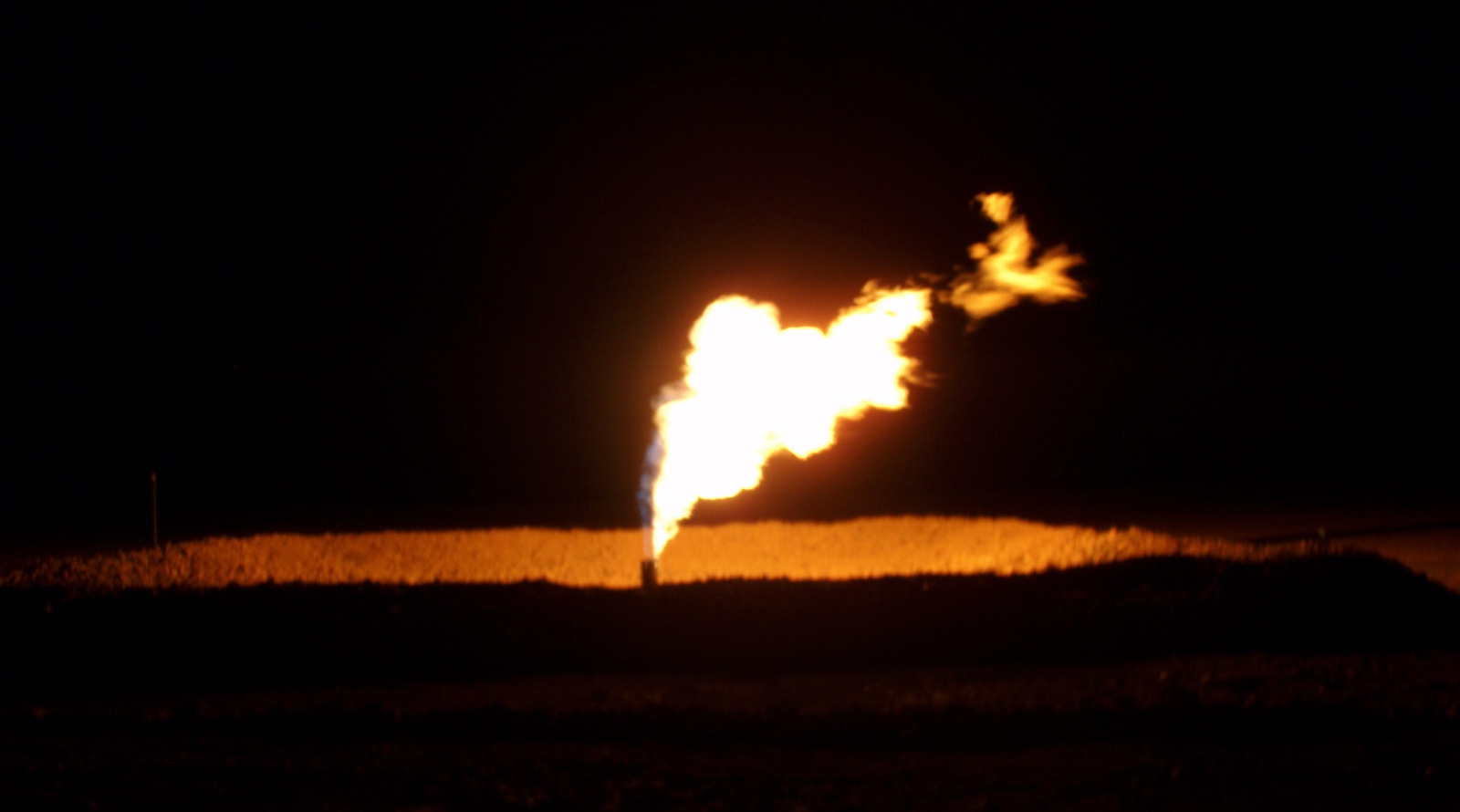
- EU requires its producers to monitor flaring and venting emissions, with fines up to 20% of annual turnover for non‑compliance.
- Germany and other member states pressed for flexibility, citing warnings from the U.S. and industry that strict methane rules could limit gas flows into Europe.
- Wood Mackenzie reports that only about 7% of global oil and gas production meets voluntary methane reporting standards, meaning many suppliers would struggle to meet EU import requirements.
- Iran conflict has tightened markets, raised prices, and increased competition for LNG cargoes, exposing Europe to global gas flows.
Why it matters: Importers and EU gas consumers gain smoother access to global supplies, while producers that cannot meet the 7% voluntary reporting threshold risk being excluded. The flexibilities aim to prevent supply disruptions but keep methane monitoring in place, preserving environmental oversight.
Ask SkimNews