Long COVID damages dopamine neurons, CAMH scans show — SkimNews
Get the Health newsletter
Daily health & science — research, biotech, public health, the studies worth knowing. Free.
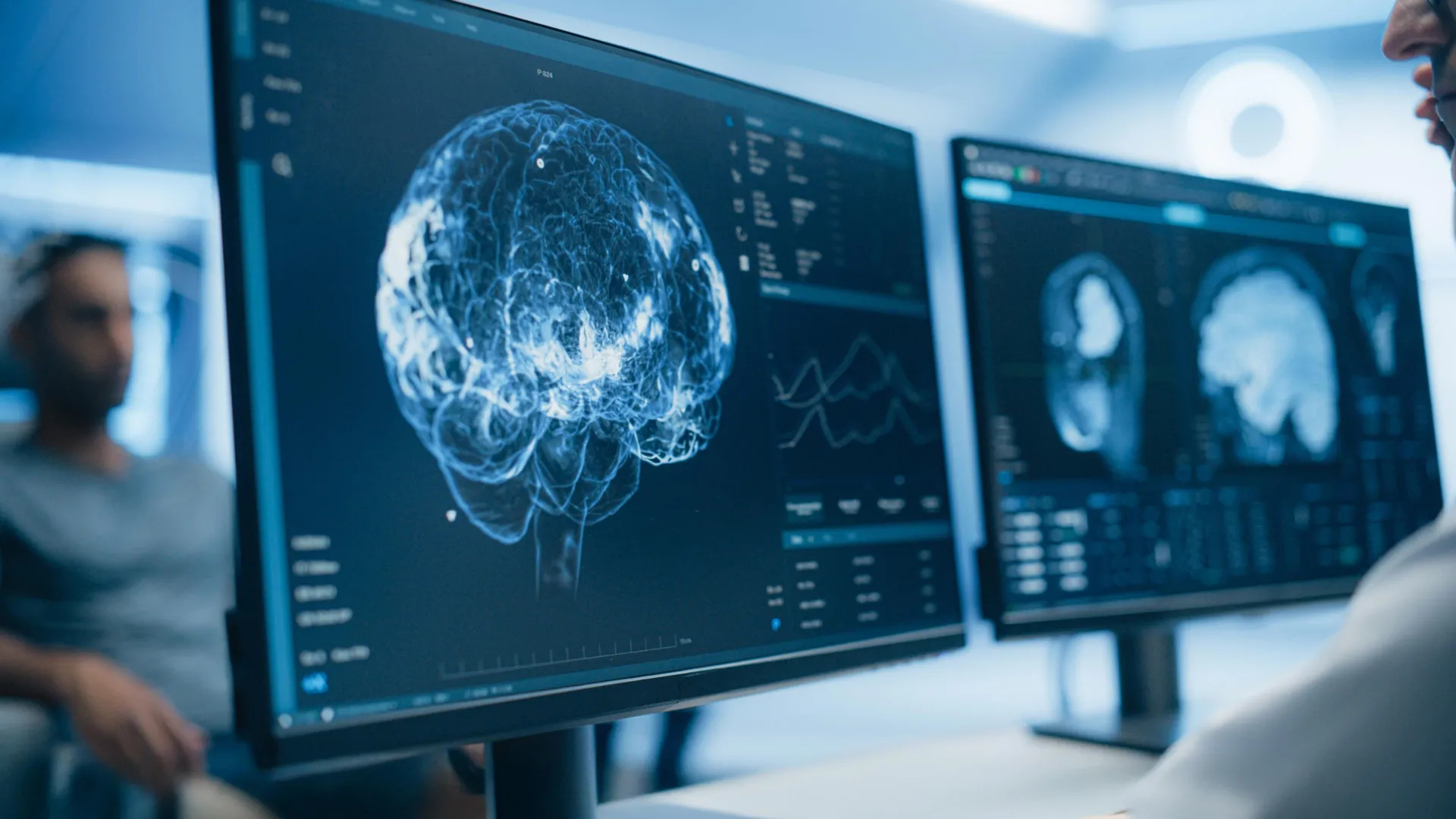
- Centre for Addiction and Mental Health researchers used PET imaging to compare dopamine neuron markers in long COVID patients against healthy participants, finding substantially lower marker levels across all major areas of the striatum — suggesting reduced density of dopamine nerve terminals.
- Dr. Jeffrey Meyer, Senior Scientist at CAMH's Brain Health Imaging Centre and senior author of the study published in eBioMedicine, said the findings suggest long COVID is 'at least in part a disorder of the brain's dopamine system' and that repurposing dopamine-targeting medications could be a promising approach.
- Region-specific marker loss correlated with distinct symptoms: ventral striatum reductions linked to greater loss of motivation, dorsal putamen reductions to slower movement, and caudate putamen reductions to memory difficulties.
- The findings build on earlier CAMH work showing elevated brain inflammation in long COVID patients, particularly in dopamine-rich regions — supporting a possible chain in which persistent inflammation injures dopamine neurons.
- Long COVID is estimated to affect about five per cent of the global population, including roughly two million people in Canada, with no evidence-based treatments currently available, according to the source.
- CAMH and University Health Network plan to launch a clinical trial within the next couple of months testing whether modifying dopamine activity can improve memory, motivation, and fatigue in long COVID patients.
- Susan Deuville, a lived experience research advisor who contracted COVID in 2021, said the research validates what sufferers have long known: 'long COVID is real and the effects are devastating.'
Why it matters: With roughly two million Canadians and about five per cent of the global population affected by long COVID and no evidence-based treatments currently available, this study gives drug developers a concrete biological target — the brain's dopamine system — and the CAMH team is already moving to test repurposed dopamine medications in a clinical trial launching within months.
Ask SkimNews