China Navy Monitors USS Charleston Near Sabina Shoal — SkimNews
Get the Geopolitics newsletter
Daily geopolitics — wars, elections, sanctions, the diplomatic moves that move markets. Free.
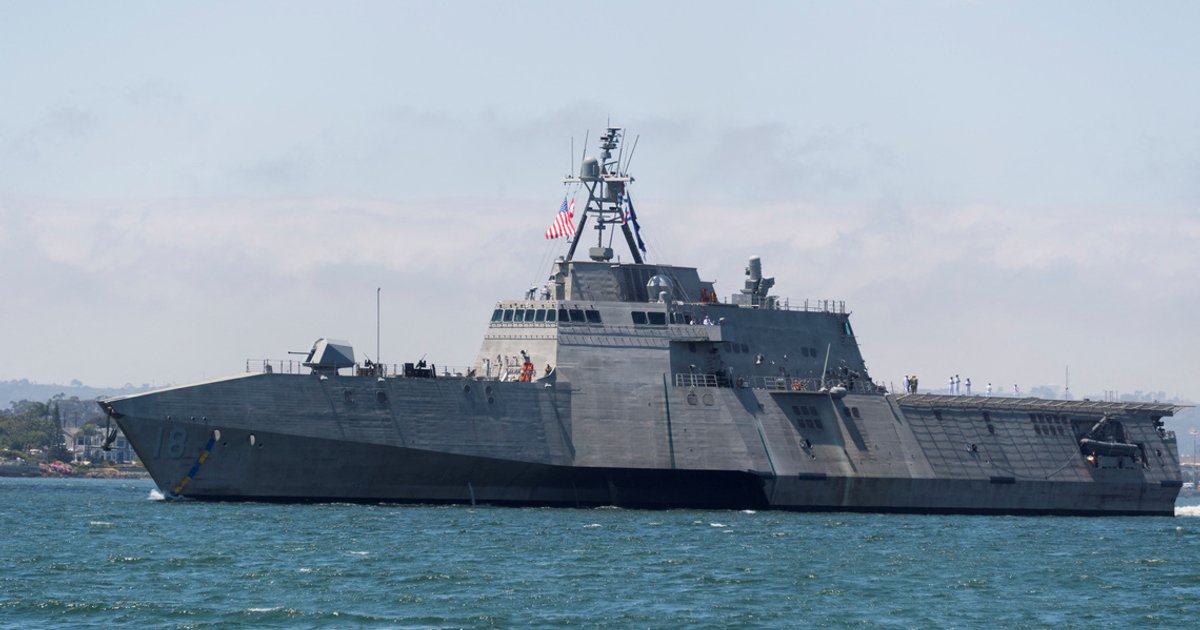
- China's Southern Theatre Command said the USS Charleston "illegally intruded" into waters adjacent to Sabina Shoal in the Spratly Islands on Oct 20 without Chinese government approval, accusing the US of "infringing upon China's sovereign rights" and "jeopardising maritime security."
- China's navy dispatched forces to track and monitor the warship; Beijing demanded the US "immediately cease such activities," while a Philippines military spokesperson countered that the vessel "did not trespass into 'Chinese territory'" and required no prior permission for transit through international waters.
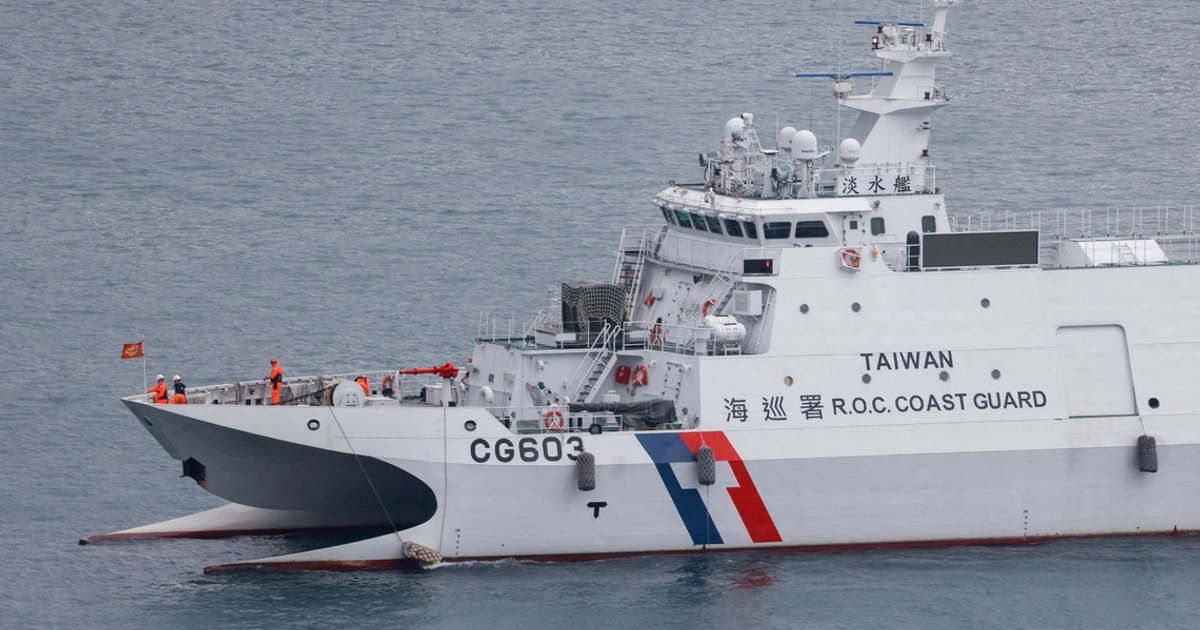
- Taiwan's Coast Guard dispatched its Taichung vessel to warn away a Chinese Coast Guard ship that entered restricted waters near the Taiwan-controlled Pratas Islands, with both sides broadcasting competing messages — the Chinese ship declaring "the so-called Republic of China does not exist" and the Taiwanese vessel affirming "the Republic of China, Taiwan, is a sovereign and independent country."
- China has stepped up coast guard activity around Taiwan, including off the island's east coast; at an Oct 20 Taipei forum, the chair of a US Congress-appointed review commission called those patrols "highly destabilising," while Taiwan's National Security Council Secretary-General Joseph Wu said Beijing had no legal claim to those waters.
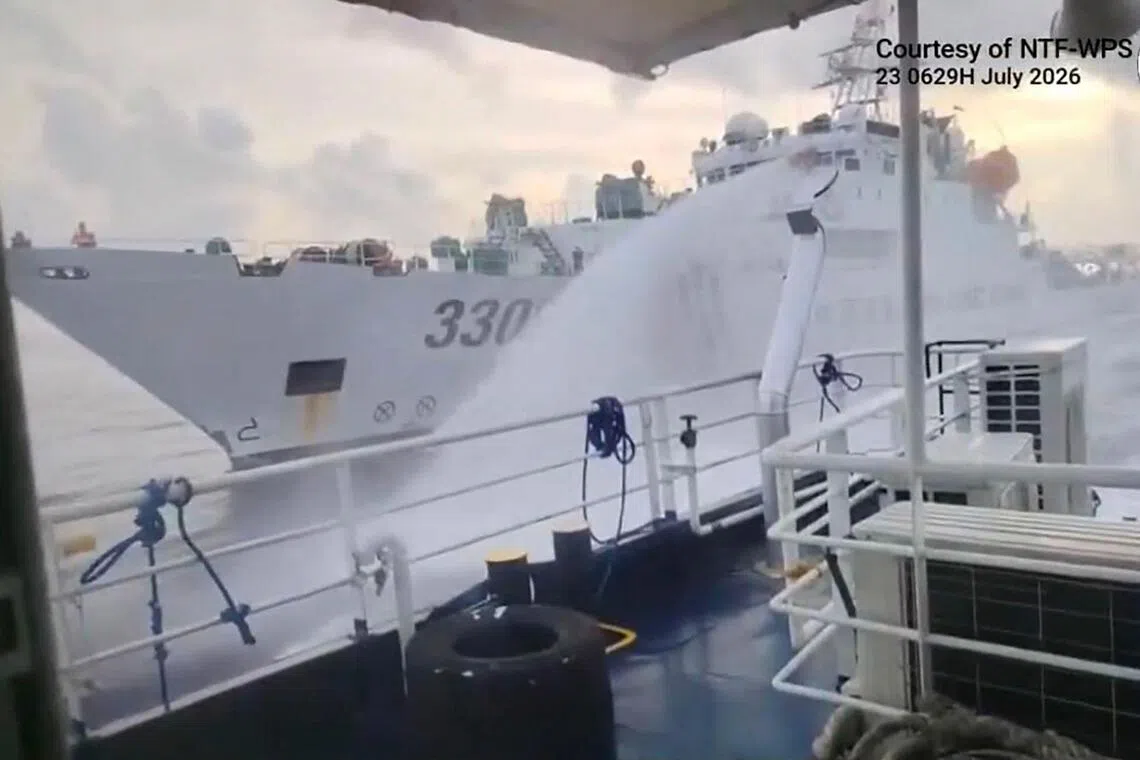
- Sabina Shoal has been a repeated flashpoint: in September, a China Coast Guard vessel rammed a Philippine boat on a refuelling mission nearby, with China blaming the collision on Manila — both sides contest sovereignty over the shoal and the entire Spratly archipelago.
- The US Navy did not immediately respond to a request for comment; its last known freedom of navigation operation in the South China Sea was more than a year ago, despite China's claims overlapping those of Brunei, Malaysia, the Philippines, Taiwan, and Vietnam.
Why it matters: China's simultaneous moves against a US ally in the Spratlys and against Taipei at Pratas — with the Philippines holding a US mutual defense treaty — signal a two-front escalation that tests Washington's stated freedom-of-navigation posture after more than a year without a FONOP. A US congressional review chair on Oct 20 publicly labeled China's stepped-up east-coast patrols "highly destabilising," giving the White House fresh ammunition to respond if Beijing hardens the confrontation.
Ask SkimNews