Artemis 2 Crew Sees Moon's Orientale Basin for First Time — SkimNews

Get the Health newsletter
Daily health & science — research, biotech, public health, the studies worth knowing. Free.
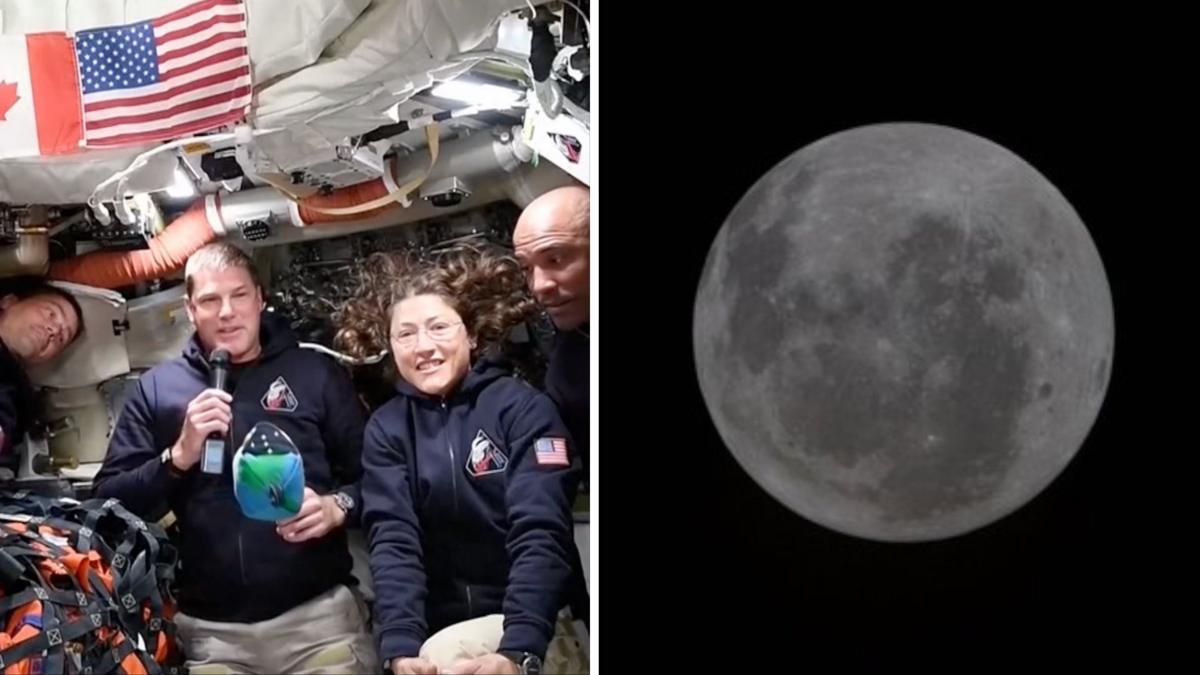
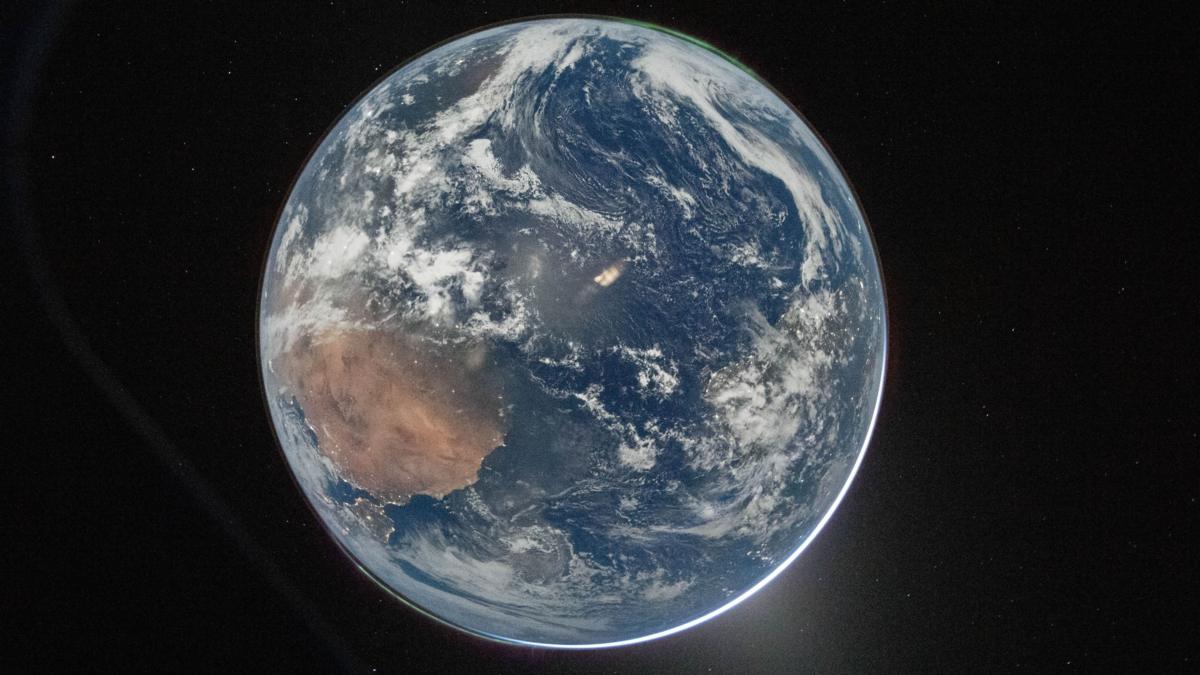
- Artemis 2 astronauts crossed the two-thirds mark of their 10-day mission by Sunday, sitting nearly 200,000 miles from Earth and 82,000 miles from the moon, according to NASA's online dashboard.
- NASA published the crew's image of the Orientale basin — a massive bullseye-shaped crater — calling it the first time the entire basin has been seen with human eyes; only robotic orbiters had previously photographed it.
- Astronaut Christina Koch told Canadian children live from space that the Orientale basin, sometimes called the moon's 'Grand Canyon,' was the feature the crew was most excited to see during the flyby.
- The Artemis 2 crew — Americans Koch, Reid Wiseman, and Victor Glover, plus Canadian Jeremy Hansen — could set a record by venturing farther from Earth than any humans before during the lunar flyby.
- Unlike Apollo missions of the 1960s and '70s, which flew roughly 70 miles above the surface, Artemis 2 will pass just over 4,000 miles at closest approach, letting the crew see the moon's full circular disk including both polar regions.
- The next major milestone arrives overnight Sunday into Monday when Orion enters the lunar sphere of influence, where the moon's gravity overtakes Earth's pull on the spacecraft.
Why it matters: This is the first time in more than 50 years — since the Apollo era — that humans have traveled far enough to see the moon's far side and Orientale basin with their own eyes. The 4,000-mile flyby altitude gives Artemis 2 a vantage point Apollo never had, enabling full views of both polar regions that will inform site selection for the planned permanent lunar base.
Ask SkimNews