Colombia, Netherlands host 54-nation fossil fuel summit

SkimNews Take
The coalition's focus on a "renewable-energy trajectory" rather than outright fossil fuel bans suggests a pragmatic approach to transition, acknowledging the ongoing energy crisis.
Get the Energy newsletter
Daily energy & climate — solar, EVs, oil, the policy fights and tech bets shaping the transition. Free.
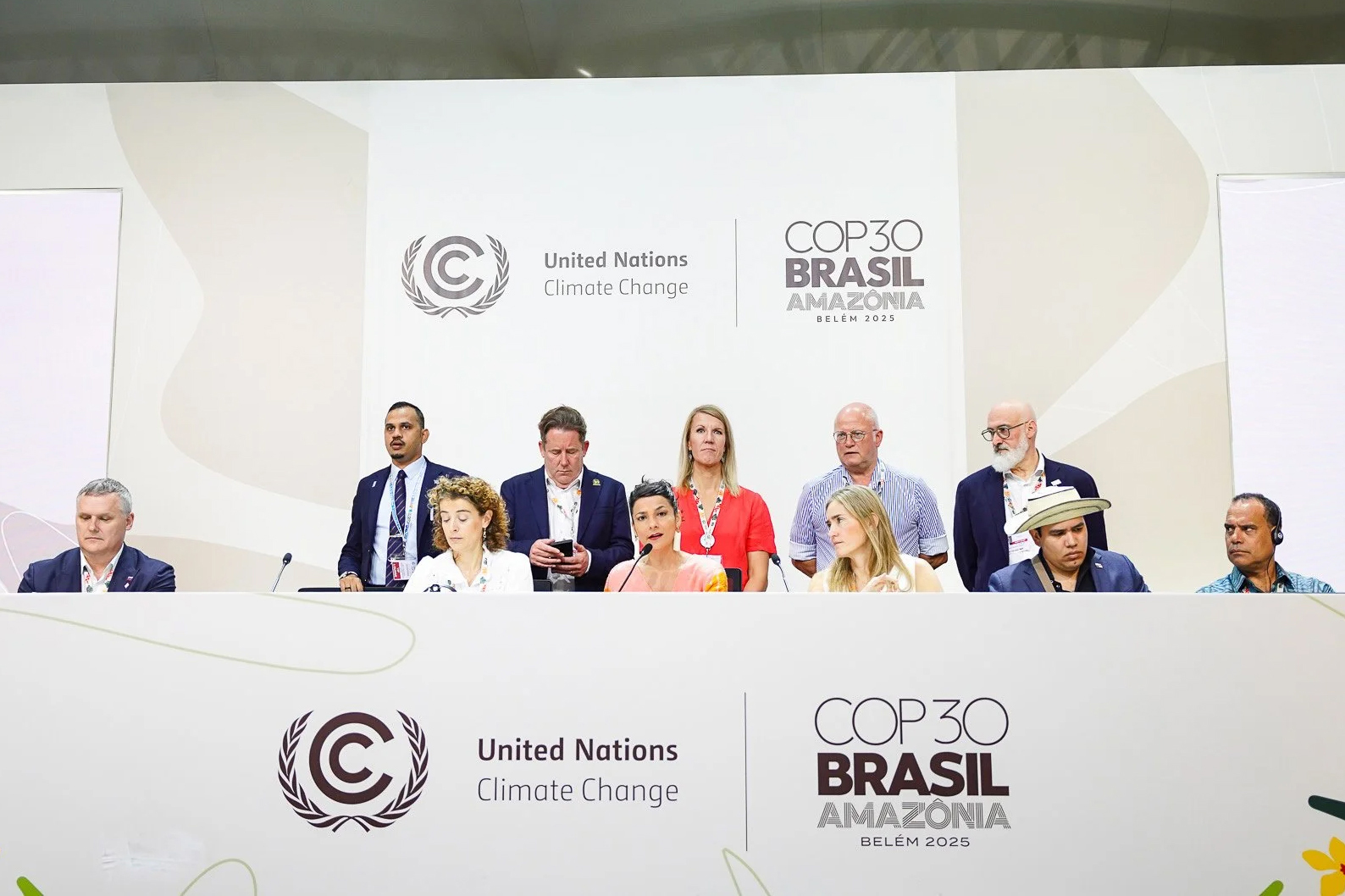
- Colombia and the Netherlands are co-hosting a new climate conference in Santa Marta on April 28-29 with 54 countries confirmed, aiming to break the fossil fuel deadlock that has paralyzed the UNFCCC process.
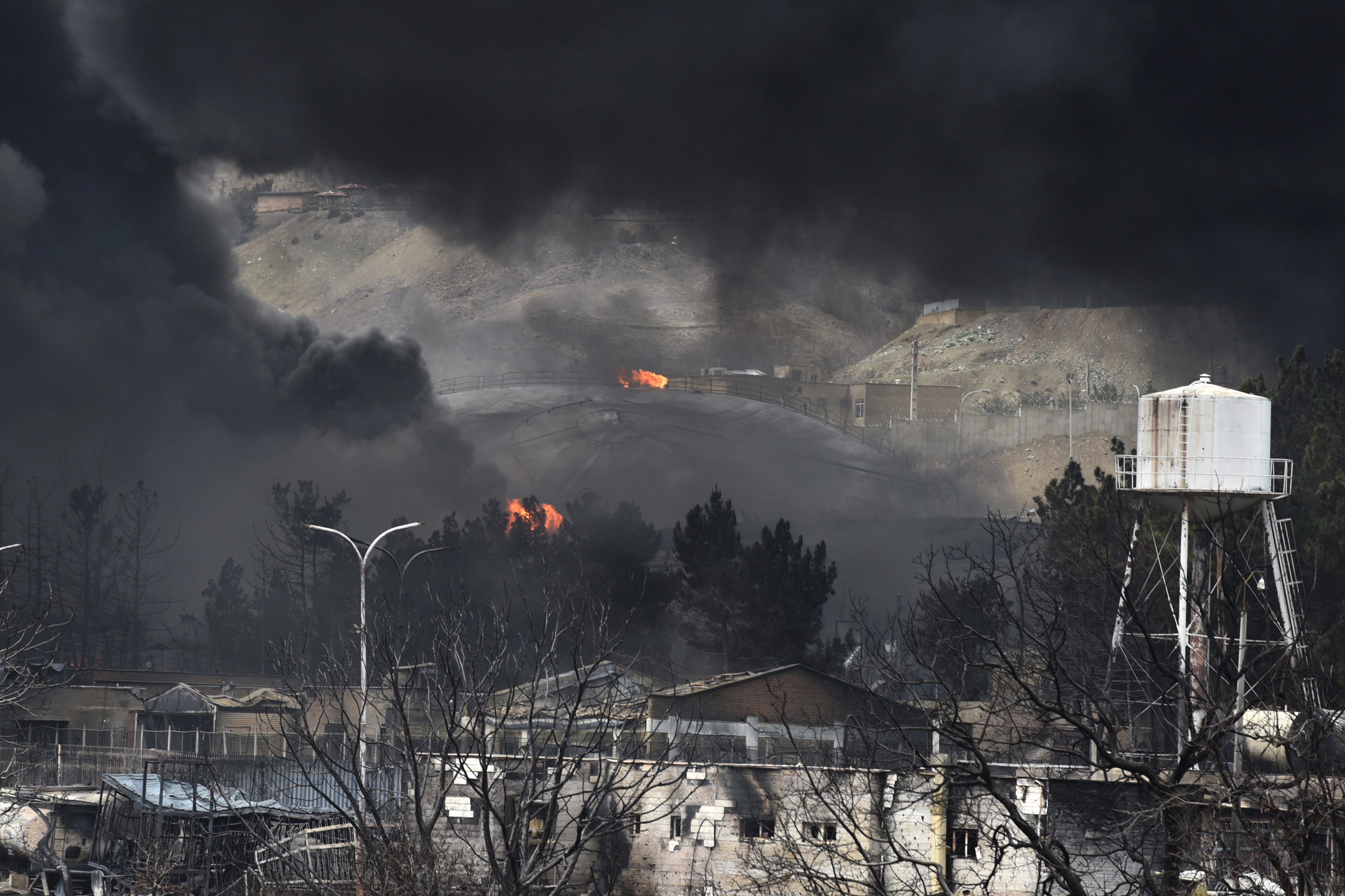
- Irene Vélez Torres, Colombia's environment minister, framed the Iran war and resulting oil price spike as vindication of the conference's urgency, saying there is 'a straight line of connection between the fossil fuel economy and armed conflicts at the global scale.'
- The 54 confirmed countries — including the UK, EU, Canada, Australia, Turkey, Nigeria, Mexico, Brazil, and Pacific island states — represent roughly a fifth of global fossil fuel production and a third of demand; the US, China, India, Russia, and Gulf petro states were not invited and will not attend.
- Colombia has already stopped licensing new coal, oil, and gas exploration and is pivoting toward renewables, tourism, and agriculture, even though it remains the largest coal and fourth-biggest oil exporter in the Americas.
- Despite the conference's mission, several participants including Norway, Mexico, and Nigeria are simultaneously planning to expand fossil fuel production in response to the Iran war, according to the article.
- Carola Mejia of Latindadd warned that international cooperation financing fell 21% in one year as military spending rose due to war, and urged Santa Marta to 'be a milestone for a future based on peace and solidarity.'
- The conference's main tangible outputs will be scientist-authored reports on transition pathways and Global South finance expert recommendations on funding; a second conference is already scheduled for next year in Tuvalu.
Why it matters: With 54 countries representing a fifth of global fossil fuel production and a third of demand gathering without the world's five largest economies and polluters, the Santa Marta summit tests whether a 'coalition of the willing' can force the fossil fuel transition the consensus-bound UNFCCC cannot. The contradiction embedded in the guest list — Norway, Mexico, and Nigeria attending a phase-out summit while planning to drill more — exposes the gap between rhetorical alignment and actual energy policy that the conference's financial mechanism recommendations will have to bridge.