Apple MacBook Neo Uses Binned A18 Pro Chips With Disabled GPU Core — SkimNews

Get the Health newsletter
Daily health & science — research, biotech, public health, the studies worth knowing. Free.
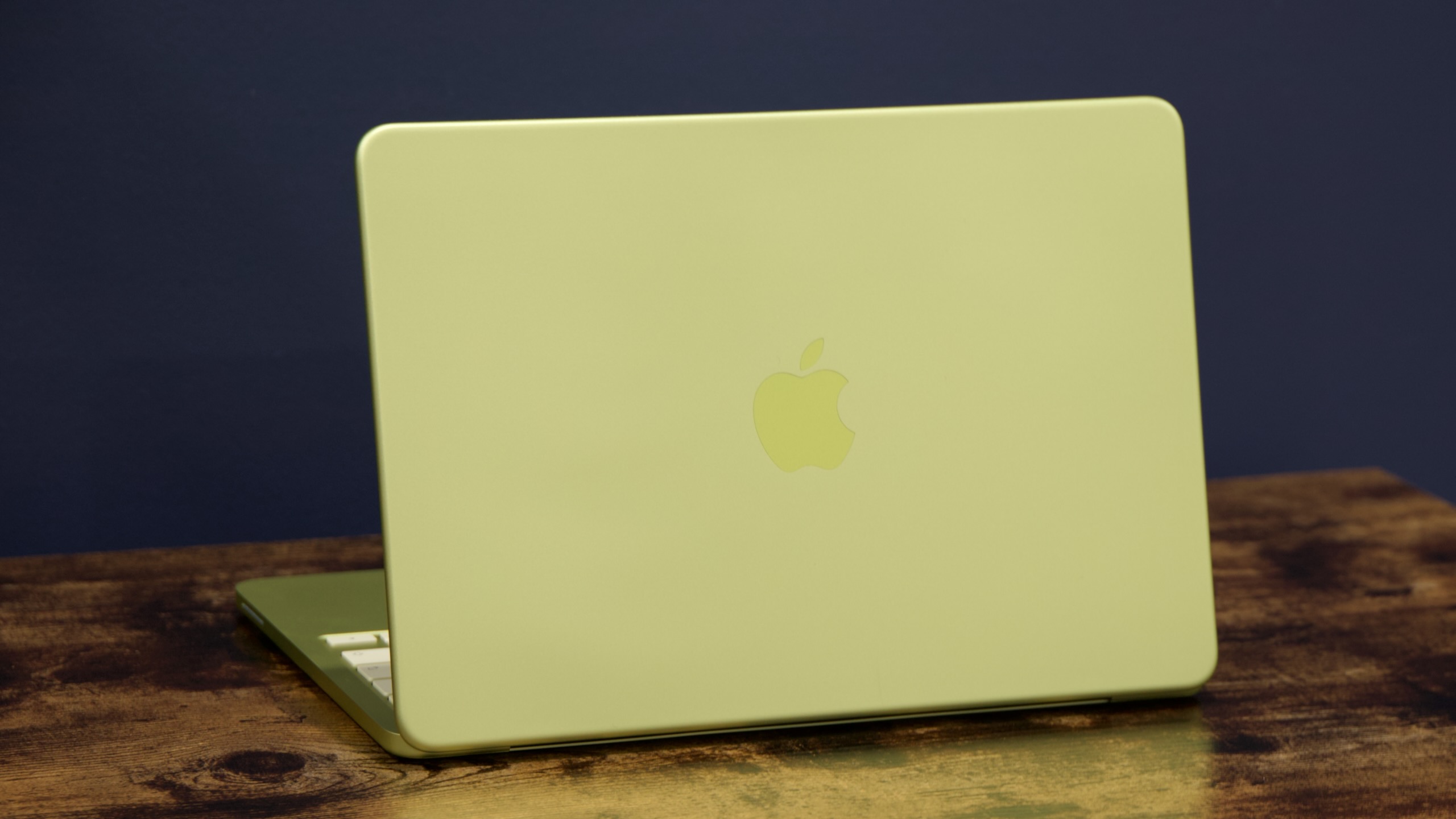
- Apple's MacBook Neo uses an A18 Pro chip with five GPU cores, one fewer than the A18 Pro in the iPhone 16 Pro, likely because the chips had a defect in one core and were salvaged through a process called "binning."
- Chip binning is a common industry practice across phones, cars, and microwaves, according to experts quoted by New Scientist, and reduces both manufacturing cost and environmental waste.
- Owen Guy at Swansea University explained that chips are fabricated in batches on 300-millimetre silicon wafers containing trillions of transistors, with thousands of individual process steps each vulnerable to tiny errors.
- Yields for standard silicon chips can reach 99%, but drop with more ambitious chip designs and newer substrate materials like silicon carbide or gallium nitride.
- At a hypothetical 90% yield, 1 in 10 chips are binned — sometimes relabeled as a lower-core product, rated for lower voltage or frequency, or specified as having higher power use or operating temperature.
- Tony Kenyon at University College London said end users will see no indication of defects, because error-correction software isolates broken transistors in memory chips and routes calculations around damaged processor cores.
Why it matters: By disabling one GPU core on a binned A18 Pro, Apple turns a chip that failed six-core specifications into a five-core budget MacBook Neo — recovering value from chips that would otherwise be scrapped. Consumers get a cheaper laptop at no perceptible performance cost, because error-correction software and software-level workarounds hide the underlying hardware flaw.
Ask SkimNews