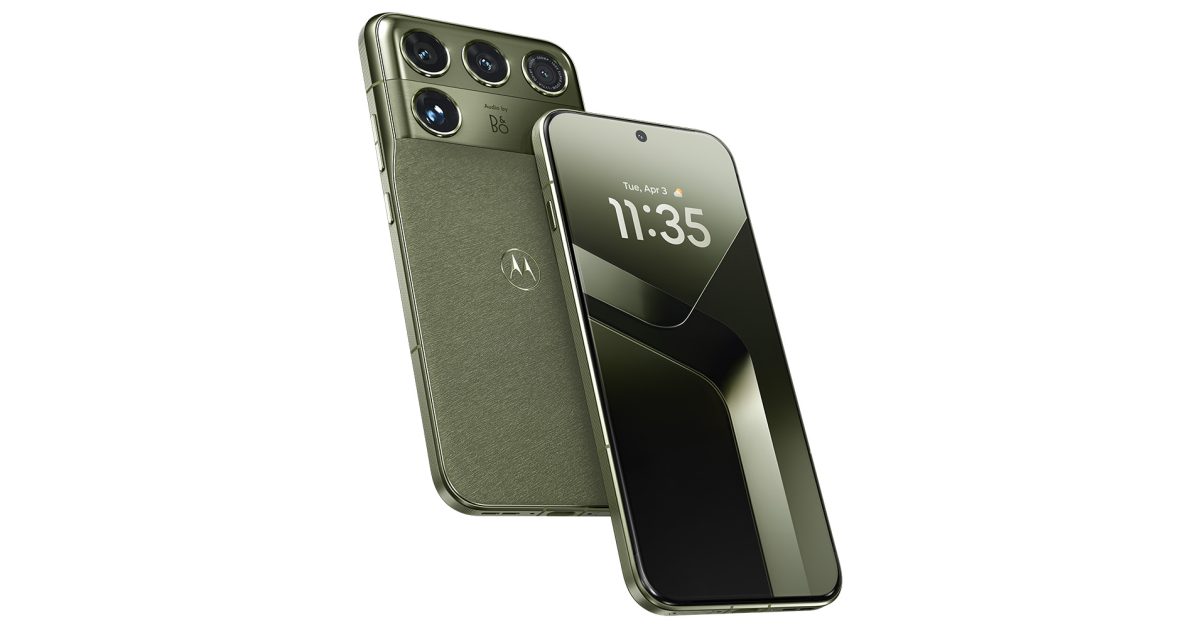
Motorola Razr Ultra 2026 First US Silicon-Carbon Phone — SkimNews

Get the Tech newsletter
Daily tech — startups, AI labs, chips, the launches that shape the next decade. Free.
- Motorola launched the Razr Ultra 2026 as the first mainstream, carrier-backed US smartphone with a silicon-carbon battery, beating Apple, Samsung, and Google to the technology (Chinese brands like OnePlus had it earlier).
- The Razr Ultra 2026 packs a 5,000mAh silicon-carbon cell—up from 4,700mAh last year—while keeping identical dimensions and the same 199g weight as the 2025 model.
- The Razr Fold also uses silicon-carbon, fitting a 6,000mAh cell into a 9.89mm-thick, 243g body—outpacing the Samsung Galaxy Z Fold7's 4,400mAh and the Google Pixel 10 Pro Fold's 5,015mAh.
- Charging speeds on the Ultra improved to 80W wired and 50W wireless (up from 68W and 30W), while 5W reverse charging stayed the same.
- Prices rose across the lineup: the Ultra jumped from $1,299 to $1,499, the Razr+ climbed to $1,099, and the base Razr now costs $799.99—despite storage dropping from 256GB to 128GB.
- The Razr Fold will retail for $1,899 and be sold through T-Mobile, Xfinity Mobile, and Verizon, with pre-orders opening May 14.
- The standard Razr and Razr+ skipped the silicon-carbon upgrade; the Razr+ kept the Snapdragon 8s Gen 3 chip for a third year and swapped its telephoto lens for a 50MP ultra-wide.
Why it matters: Silicon-carbon's higher energy density lets Motorola add real capacity—5,000mAh in the Ultra and 6,000mAh in the Fold—without thicker designs, pressuring Apple, Samsung, and Google to follow. But consumers absorb the cost: every Razr model runs $100–$200 more than 2025, and the base Razr now ships with 128GB instead of 256GB.
Ask SkimNews