Ukraine war spreads to Arctic as nuclear tensions escalate — SkimNews
Get the Geopolitics newsletter
Daily geopolitics — wars, elections, sanctions, the diplomatic moves that move markets. Free.
- Ukrainian drones struck two Yamalo-Nenets gas processing plants on September 9, roughly 1,900 miles from the Ukrainian border — the deepest strike on Russian territory since the war began; the Yamal region produces around 80% of Russia's natural gas.
- Ukraine's Special Operations Forces said the drones launched from Sumy with Starlink support reached what was "considered an absolutely safe rear," while Trump told Ukraine to stop attacking Russian diesel infrastructure, saying fuel shortages were "hurting the world" without acknowledging the Iran war as the main driver of global energy prices.
- Arctic strikes are now a pattern: in June 2025, Ukrainian drones smuggled by truck hit the Olenya air base on the Kola Peninsula, targeting long-range strategic bombers Moscow had considered safe due to their remote Arctic location.
- In April 2026, U.S., British, and Norwegian forces confronted Russian submersible vehicles apparently practicing sabotage near critical cables around Svalbard — a sign of escalating activity in a region with "almost no mechanism to stop a stray drone or submarine maneuver from spiraling," per the report.
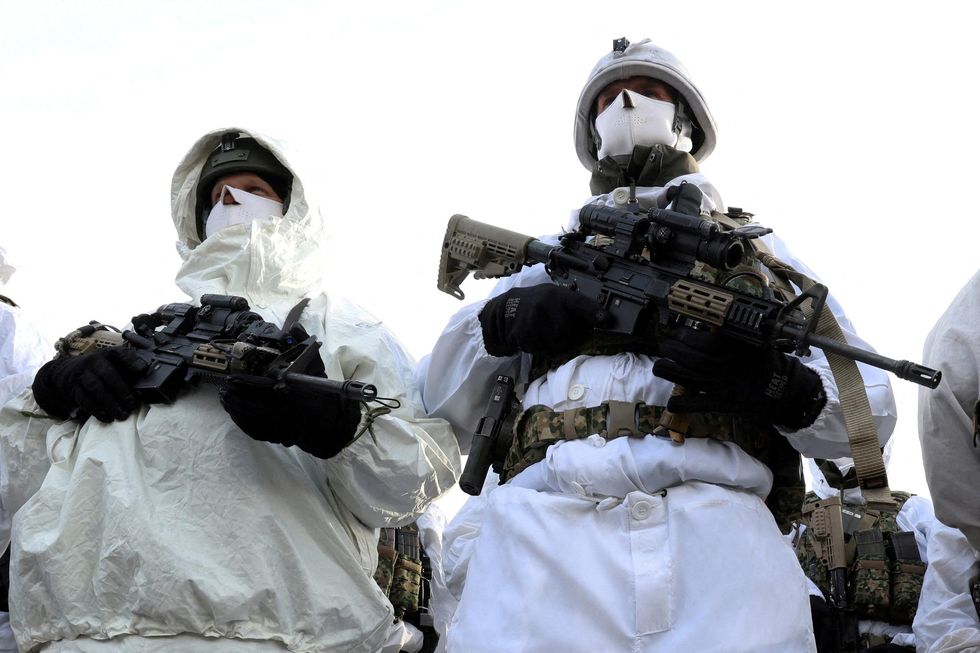
- Seven of eight Arctic states are now NATO members after Finland and Sweden acceded in 2023-2024; in February 2026, NATO launched Arctic Sentry, folding Denmark's Arctic Endurance and Norway's Cold Response into a framework coordinated from Joint Force Command Norfolk.
- Russia and China deepened Arctic security cooperation in 2024 with joint bomber drills in Alaska's Air Defense Identification Zone and the Chinese Coast Guard's first-ever Arctic patrol alongside Russia's Border Service — a foothold Beijing previously enjoyed only through Russia's "tolerance rather than partnership."
- U.S. European Command announced restoration of military-to-military dialogue with Russia earlier this year, and Norway plans talks under the INCSEA framework, while Finland convened European leaders in Helsinki this week to address what Prime Minister Petteri Orpo called a "race with Russians and the Chinese" for Arctic control.
Why it matters: The Yamalo-Nenets strike hit infrastructure producing ~80% of Russia's natural gas and much of Europe's supply, and the second Arctic attack in three months targets the aviation leg of Russia's nuclear triad. With no remaining guardrails between nuclear-armed powers operating north of the Arctic Circle, a single miscalculation by drones, bombers, or submarines now carries escalation risk that Cold-era confidence-building measures once absorbed.
Ask SkimNews