Aston Martin’s chassis adds 2.3‑second deficit — SkimNews
Get the Sports newsletter
Daily sports — scores, transfers, the storylines from the leagues you actually follow. Free.
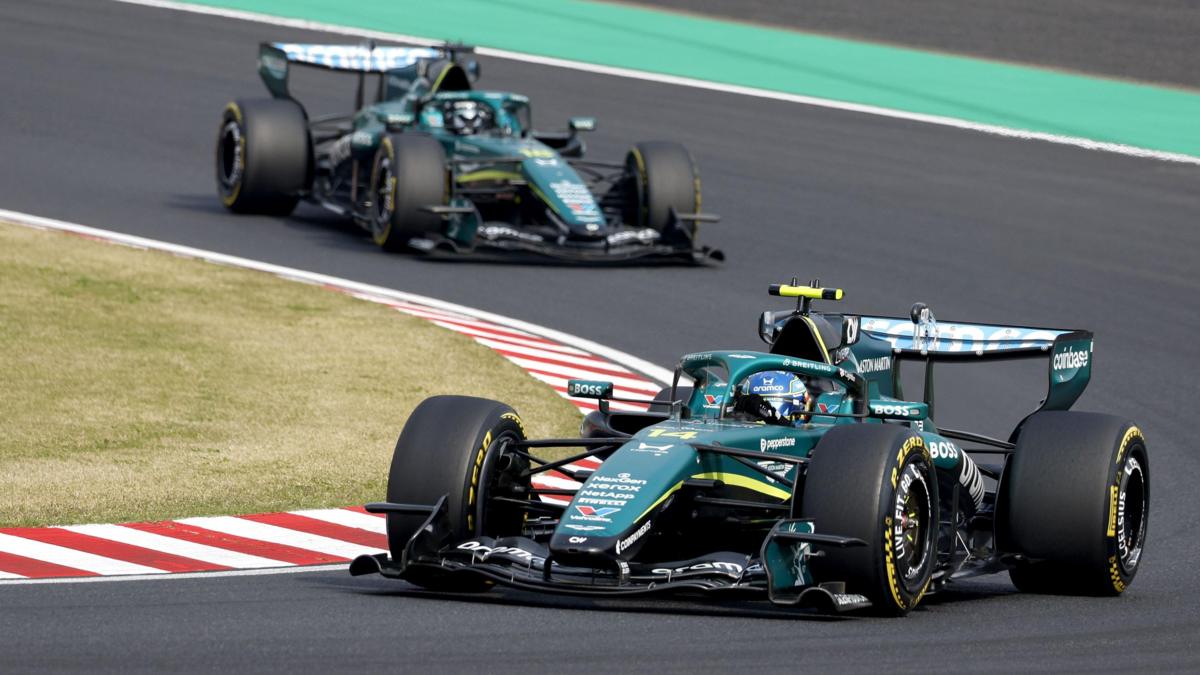
- Aston Martin's time loss at the Japanese Grand Prix was reported as more than half due to the chassis, according to Andrew Benson’s race report.
- Aston Martin's chassis was identified by a senior figure during the Japanese GP weekend as the primary source of the car’s slower lap times.
- Aston Martin's average qualifying gap over the first three races was 3.6 seconds, with the chassis accounting for roughly 2.3 seconds of that deficit.
- Adrian Newey said the team’s chassis is “maybe the fifth best team” and that with a Mercedes engine they would be comparable to Alpine or Haas.
- Aston Martin's car is overweight and performs poorly in high‑speed corners, compounding its overall lack of competitiveness.
- Suzuka's timing data confirmed that Aston Martin’s chassis caused more than half of its time loss compared with front‑running cars.
Why it matters: Aston Martin’s chassis shortfall, responsible for roughly two‑thirds of its 3.6‑second qualifying gap, means the team cannot compete even with a better engine, forcing costly redesigns and diminishing sponsor exposure while rivals benefit from superior car balance throughout the season.
Ask SkimNews