US South China Sea Coalition Snubbed by Southeast Asia
Get the Geopolitics newsletter
Daily geopolitics — wars, elections, sanctions, the diplomatic moves that move markets. Free.
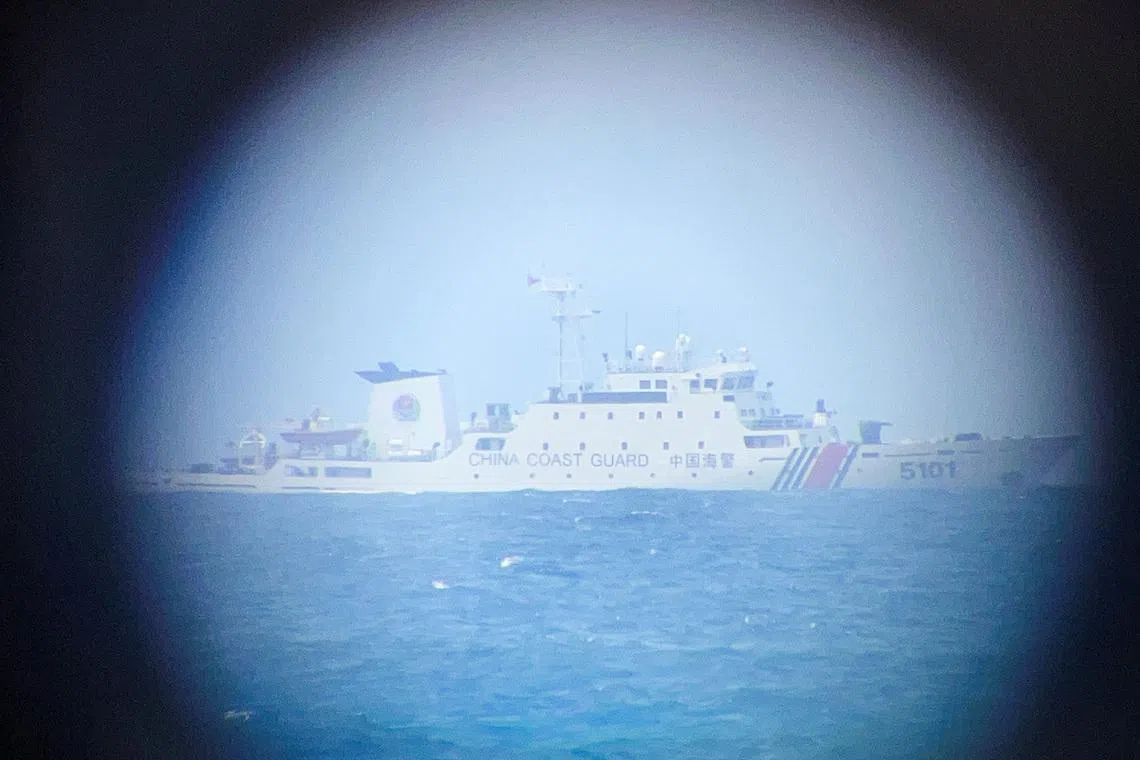
- The 2016 Arbitral Tribunal at The Hague ruled overwhelmingly in the Philippines' favor, invalidating China's "9-dash line," declaring China's island-building a violation of Philippine sovereign rights, and upholding traditional fishing rights at Scarborough Shoal.
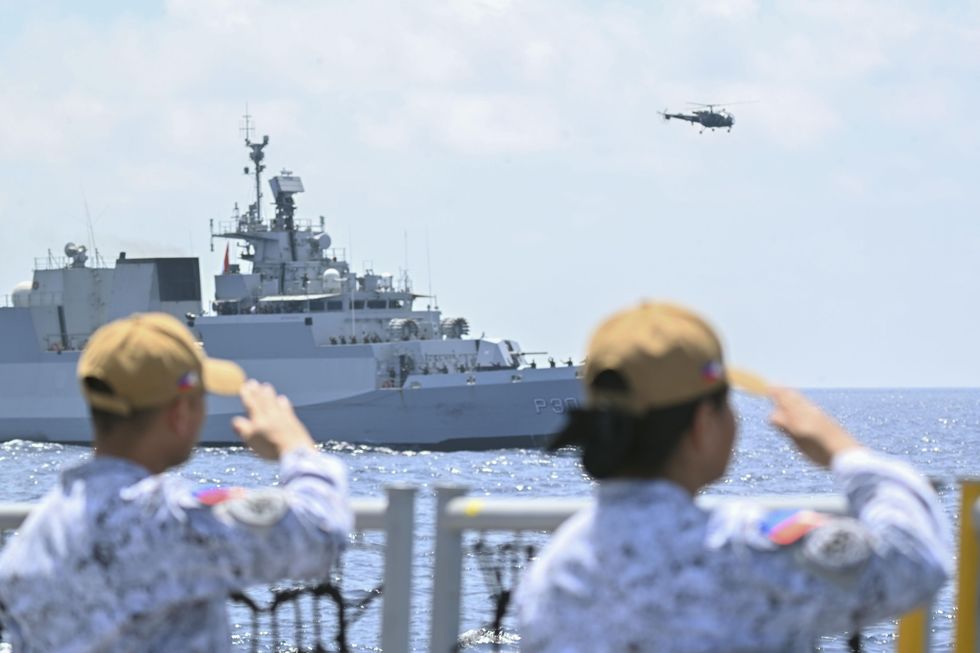
- The United States and 13 other countries issued a joint statement on the ruling's 10th anniversary citing UNCLOS, but only the Philippines from Southeast Asia endorsed it — and South Korea, a core U.S. ally in Asia, also stayed away.
- Vietnam, which has its own sharp maritime dispute with China, declined to sign and instead issued a separate statement reiterating its support for the 2016 award.
- Southeast Asian states broadly reject China's expansive 9-dash line, but the article notes they have important economic ties with Beijing that they don't want to risk by publicly aligning with the U.S.-led statement.
- The U.S.-Philippines alliance will need to adopt smarter language and add elements of reassurance alongside deterrence to build a broader regional coalition capable of constraining China's behavior.
- The coalition was mostly composed of European and Western countries — illustrating the gap in U.S. diplomacy that still needs to be covered a decade after the legal victory.
Why it matters: Almost all Southeast Asian states oppose China's 9-dash line but won't say so alongside Washington, because economic dependence on Beijing overrides legal alignment. Without Vietnamese or broader ASEAN backing on a single statement, the diplomatic lever the 2016 Hague ruling gave the U.S. remains largely theoretical, and Washington's deterrence posture against Chinese coercion at sea stays incomplete.