SpaceX Starship V3 Aces Reentry on Flight 13 Test — SkimNews
Get the Tech newsletter
Daily tech — startups, AI labs, chips, the launches that shape the next decade. Free.
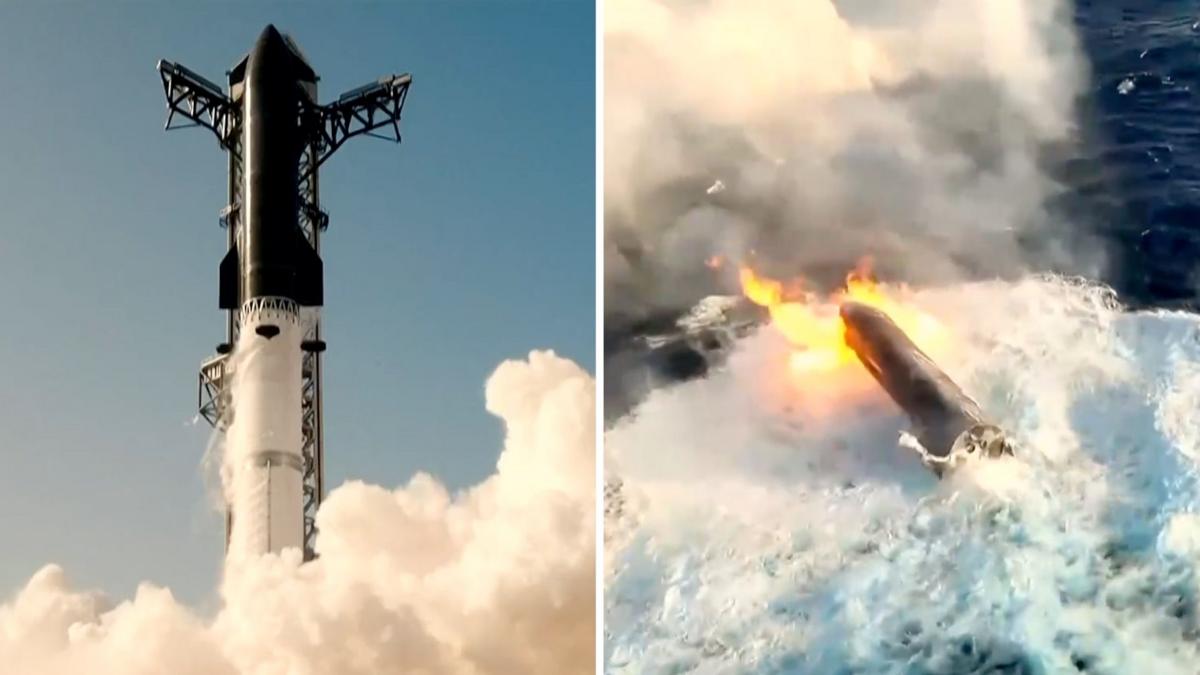
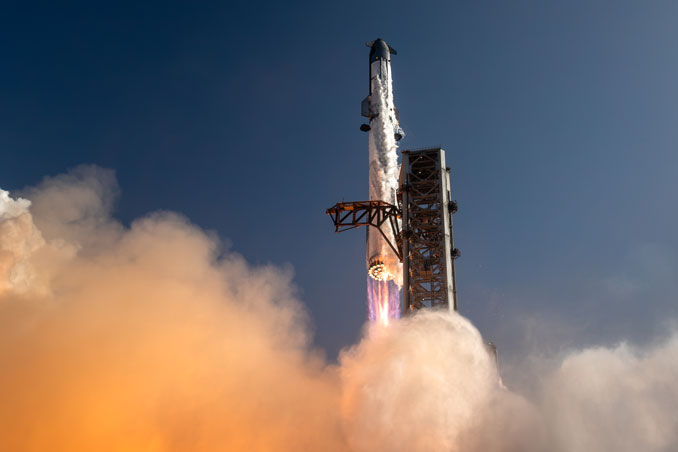
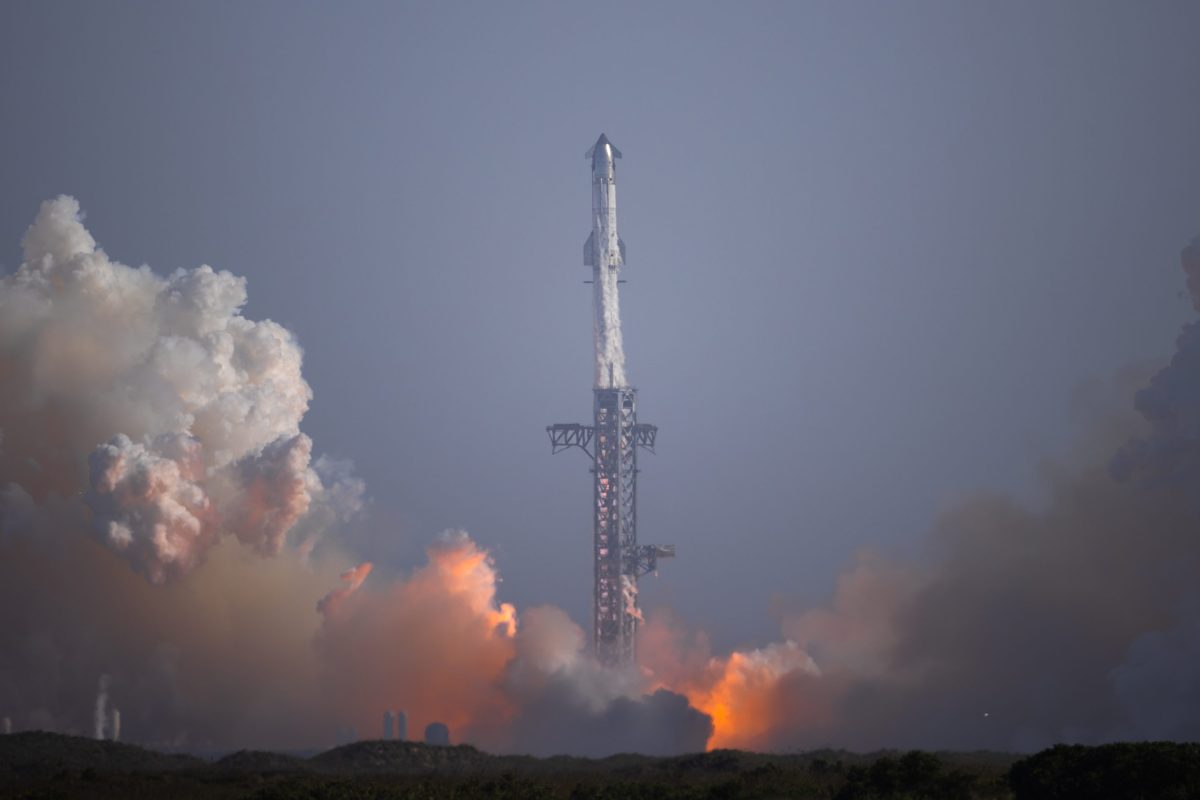
- Starship V3 launched on July 24 from Cameron County, Texas on "Flight 13," deploying 20 advanced Starlink satellites 124 miles (200 kilometers) up after the 407-foot rocket lifted all 33 booster engines at liftoff.
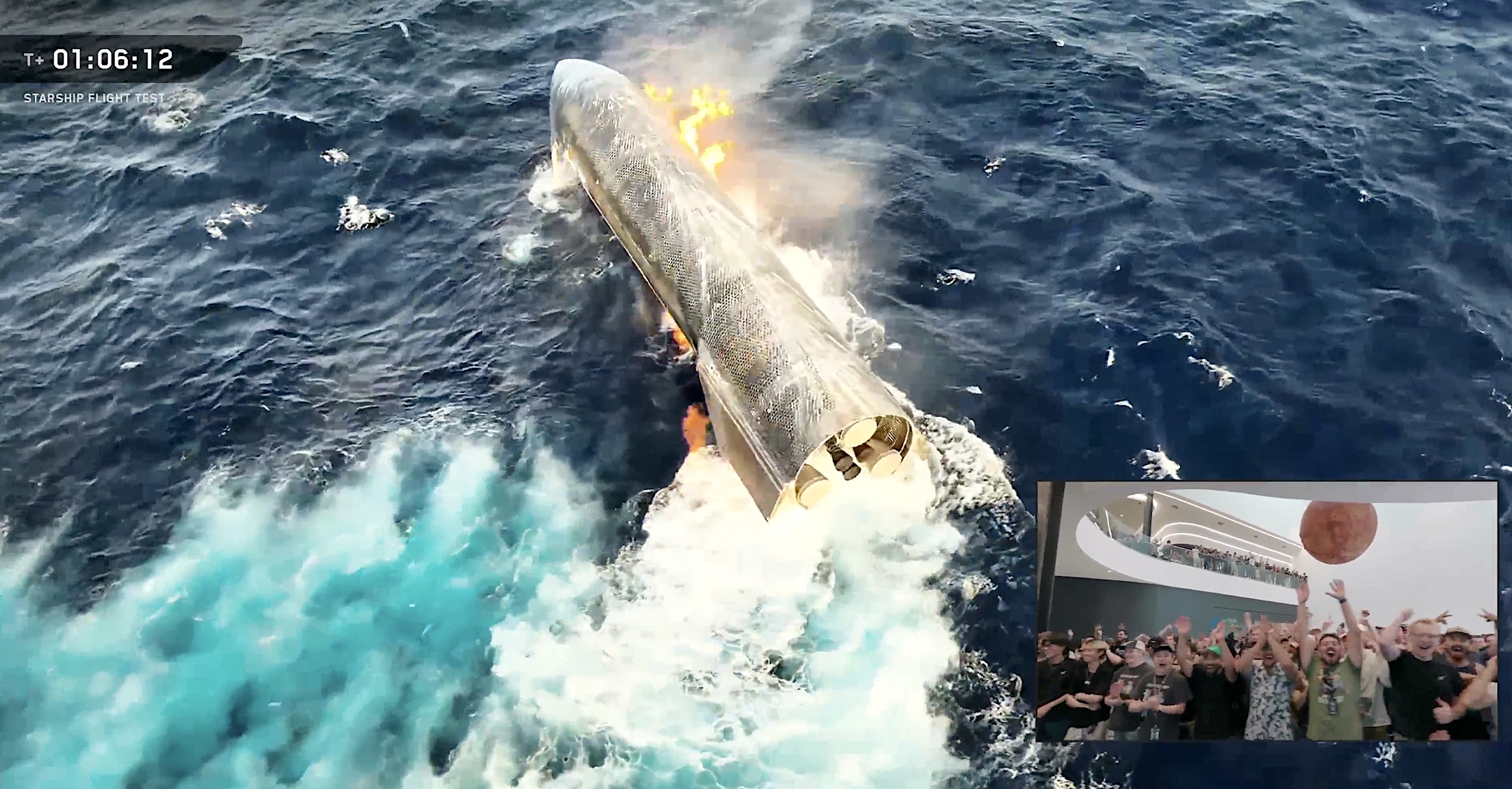
- The first-stage booster was unable to relight enough engines for its controlled return and slammed into the Gulf of Mexico, while the upper-stage spacecraft continued eastward more than 10,000 miles to splash down softly in the Indian Ocean.
- SpaceX called it the vehicle's best reentry yet; engineer Kate Tice dubbed the flight "lucky flight 13," and Elon Musk confirmed on X that all heat shield data was collected, including from six Starlink-mounted cameras and tiles deliberately painted white to simulate missing sections.
- SpaceX had replaced six of the booster's 33 engines after a July 16 launch abort, with Thursday's second attempt scrubbed by thick clouds from Tropical Storm Bertha.
- NASA Administrator Jared Isaacman congratulated SpaceX, noting the agency needs Starship to finish testing and reach orbit soon so the three-American, one-Italian Artemis III crew can practice docking with it next year.
- SpaceX is working toward catching the Starship spacecraft itself with the giant mechanical arms at Starbase, as it already does with boosters, to achieve full reusability.
- The 20 deployed Starlinks each communicated via lasers and radio during their 20-minute window before reentry, adding to a constellation of more than 10,000 Starlinks already providing internet service.
Why it matters: A clean upper-stage reentry—flawless enough to float intact—removes a major hurdle before SpaceX attempts to catch the Starship spacecraft with mechanical arms at Starbase, the next milestone toward full reuse. For NASA, that timeline matters because Artemis III crew docking rehearsals with Starship are slated for next year.
Ask SkimNews