5 graphs that show how heatwaves are getting more dangerous — SkimNews

Get the Energy newsletter
Daily energy & climate — solar, EVs, oil, the policy fights and tech bets shaping the transition. Free.
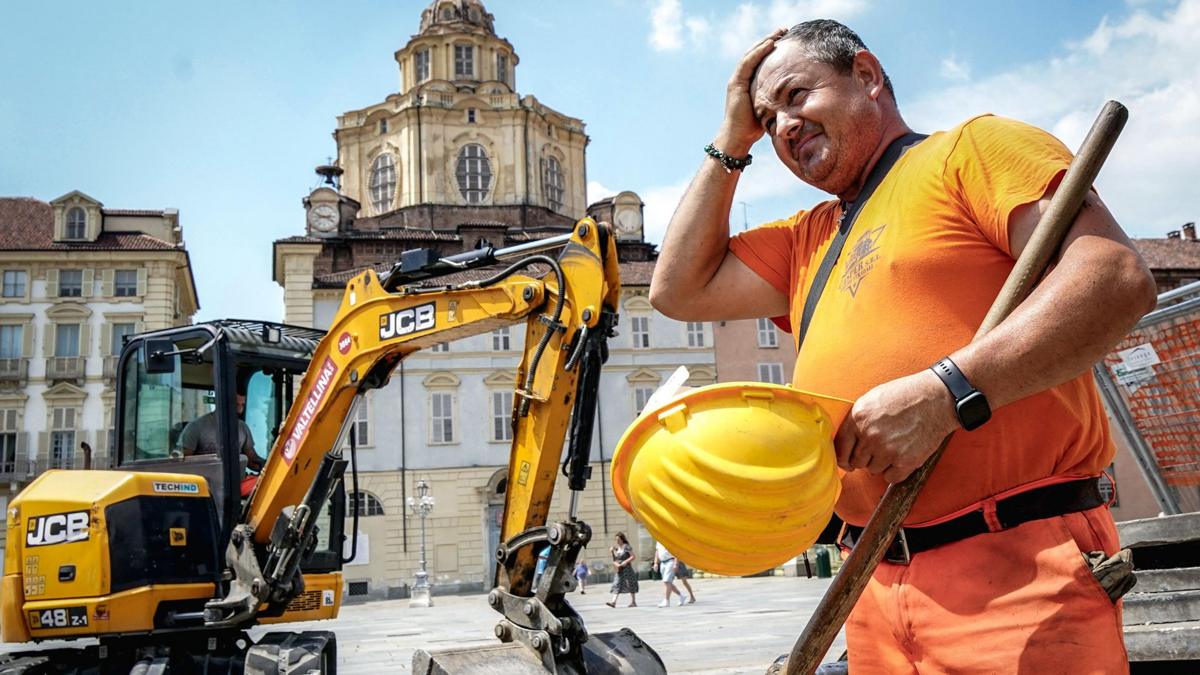
- Europe's heat season has shifted from June–September to as early as May, with the window for temperatures above 32°C lengthening by 12 days over the past half-century, making a June heatwave virtually impossible 50 years ago now a recurring feature.
- Heat kills more than half a million people globally each year, and Hugh Montgomery of University College London warned temperatures will keep rising even if the world reached net zero tomorrow because 'this is just the start' of what is unfolding.
- Western Europe's nighttime temperatures are rising at double the rate of global warming, with strong nighttime heat stress almost never occurring before 1998 — the loss of cooling below 20°C impairs sleep and triggers inflammatory responses, per Neil Maxwell at the University of Brighton.
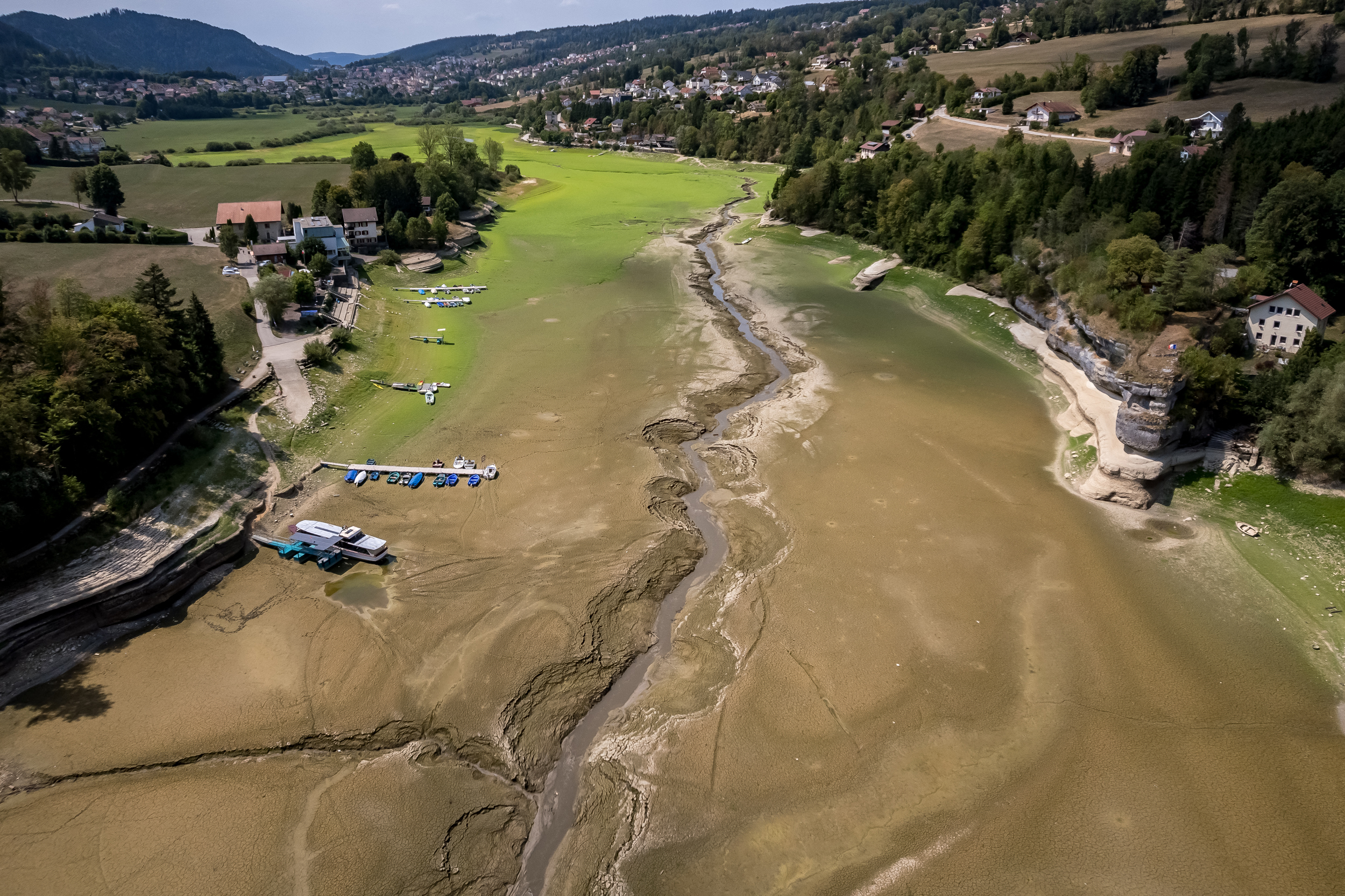
- Europe's 2022 heatwave killed more than 60,000 people, dried up sections of Italy's Po river, pushed UK temperatures above 40°C (104°F) for the first time on record, and hit Mediterranean countries hardest because of their older, more vulnerable populations.
- Compound heat events — a strong-heat-stress day followed by a tropical night of at least 20°C — have risen 73% in Europe since the 1970s, while Africa is now nearly three times more likely to suffer heat spells lasting three-quarters of the year or more.
- Urban tree canopies can cool neighborhoods by as much as 10°C, yet more than 90% of buildings in Paris and London fall below the 30% canopy threshold needed to reduce dangerous heat island effects despite many cities' tree-planting programs.
Why it matters: Europe's aging populations face compounding mortality as heat seasons lengthen and night temperatures — the cooling periods bodies need to recover — warm at double the global rate. With 60,000 dead in a single 2022 heatwave and over 90% of Paris and London buildings below the tree-canopy threshold for meaningful cooling, the gap between an intensifying hazard and adaptation is widening fast.
Ask SkimNews