Private buildings, public land: how Australia’s national parks became a battleground between conservation and commerce
Why it matters: The push for private luxury tourism in national parks redefines conservation, sparking debate over access, funding, and environmental impact.
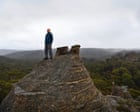
- Keith Muir, a conservationist, expresses grief and rage over NPWS plans for luxury glamping accommodation in the Gardens of Stone, viewing it as a 'resort' that sets a dangerous precedent for developing protected areas.
- NPWS and Intrepid Travel (acquiring developer Wild Bush Luxury) reject the 'resort' label, describing the proposed 18 twin cabins as 'low impact' and occupying less than 1 hectare, designed to blend into natural surroundings.
- Brett Mitchell of Intrepid Travel argues that tourism plays a vital role in protecting the environment and funding Australia's underfunded parks, citing successful low-impact ventures like the Larapinta trail.
- Ralf Buckley, a sustainable tourism professor, notes Australia is a global leader in private tourism development within national parks, a trend he believes is fundamentally altering the nature of these protected spaces.
Australia's national parks are becoming a battleground between conservation and commerce as private luxury tourism developments, like glamping resorts, are proposed within protected areas. While conservationists like Keith Muir decry these as 'resorts' that threaten wild places, developers and the NSW National Parks and Wildlife Service (NPWS) argue they are 'low-impact bush camps' essential for funding under-resourced parks and promoting environmental protection.