Ukraine's Patriot Shortage Exposed in Deadly Kyiv Strike
Get the Geopolitics newsletter
Daily geopolitics — wars, elections, sanctions, the diplomatic moves that move markets. Free.
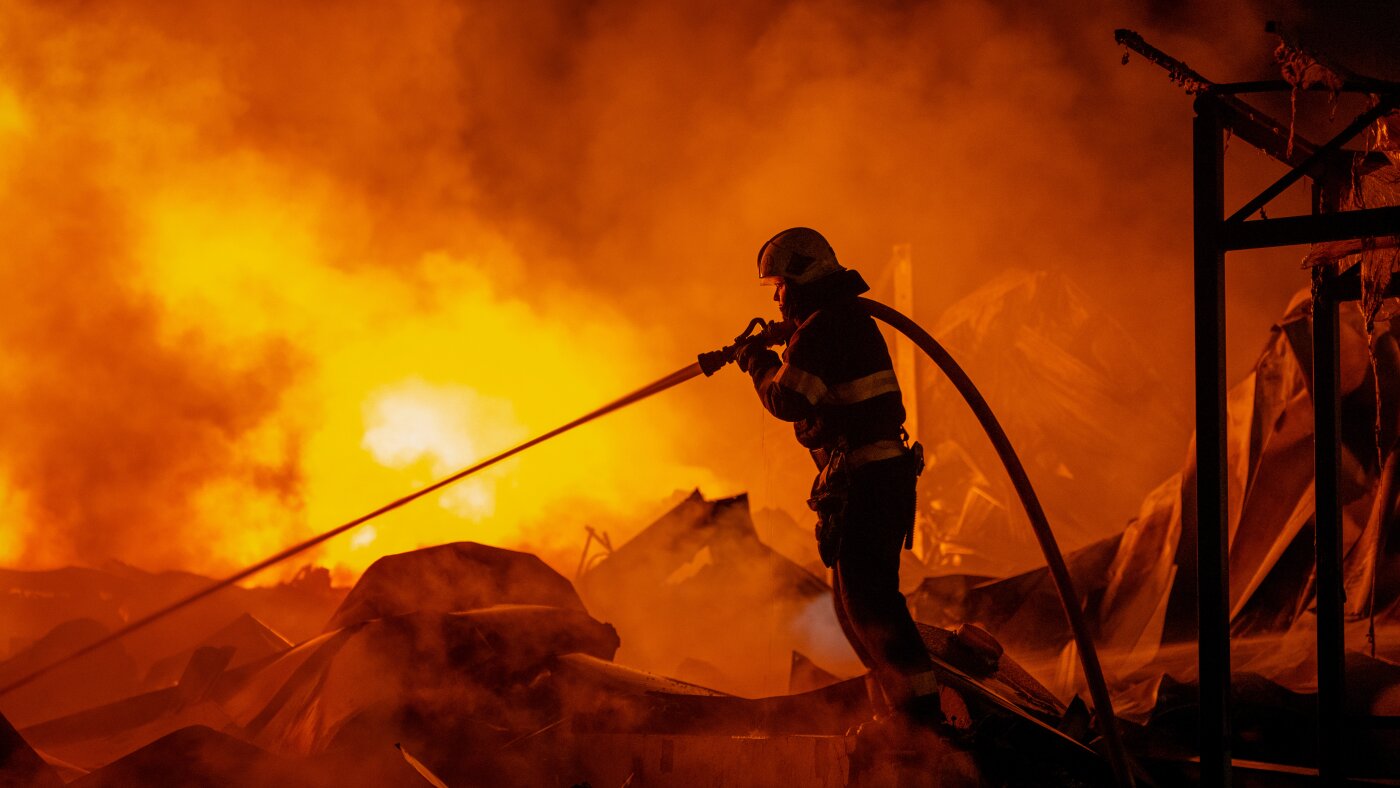
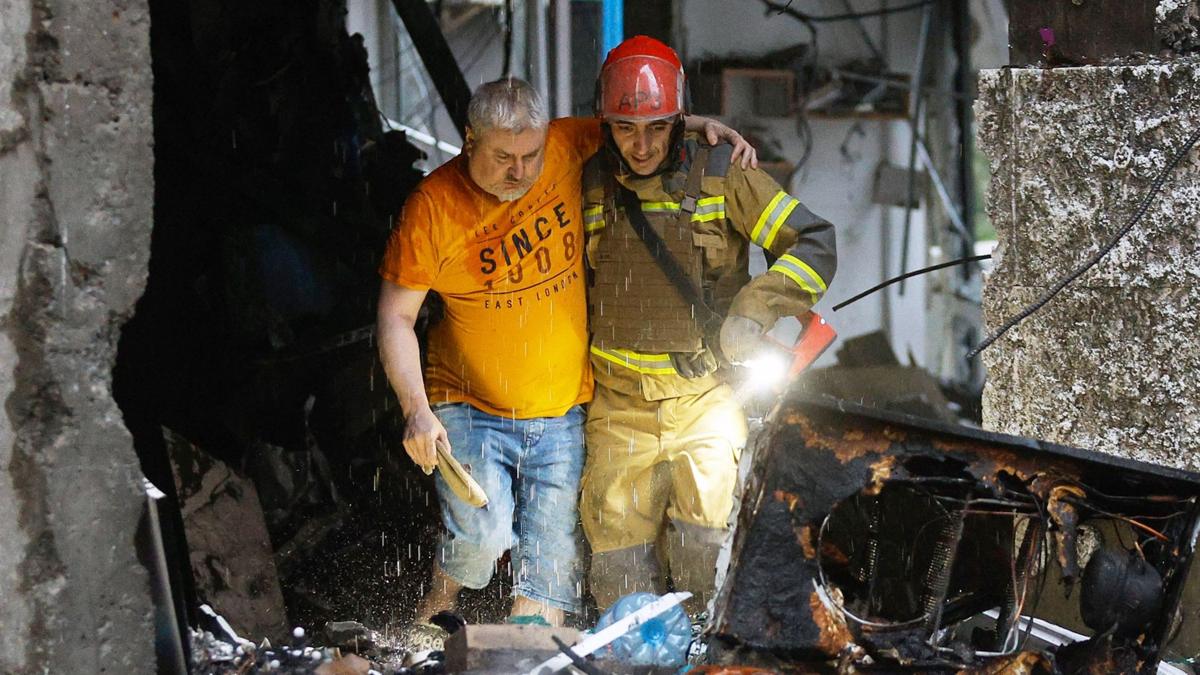
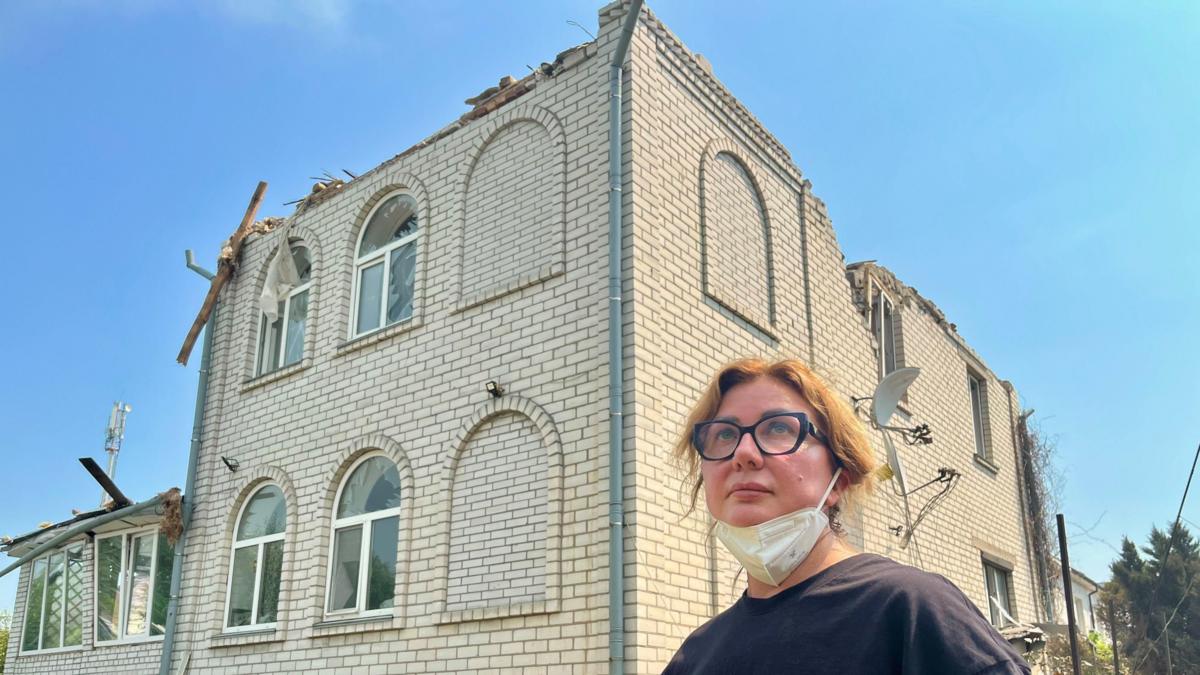
- Russia fired 115 drones and 24 ballistic missiles at Kyiv overnight, killing 21 people and injuring dozens — none of the ballistic missiles were intercepted by Ukraine's depleted air defenses.
- Russia uses 20–30 ballistic missiles per large-scale strike, but it takes at least two Patriot interceptors to bring down each incoming missile, a ratio that has rendered Ukraine's best air-defense systems largely useless.
- Donald Trump initially offered Ukraine a license to manufacture Patriots in early July, but last week denied the US had agreed to "give away that kind of technology" — even as the US has used many of its own stockpiles during its war with Iran.
- President Zelensky directly linked supply delays to "horrific casualties and destruction," telling reporters that "every single day, the lives of people here in Ukraine depend on the decisiveness of our partners in Europe and America," and confirmed he had spoken to NATO chief Mark Rutte about obtaining interceptor missiles.
- Zelensky noted that in last week's attack, only one out of 27 missiles was shot down, underscoring the deteriorating interception rate.
- Military expert Ivan Stupak warned that the Patriot systems themselves may become priority Russian targets if the interceptor shortage persists, comparing Ukraine's situation to "owning a Lamborghini but having no fuel."
Why it matters: Ukraine's interceptor math is broken: Russia launches 20–30 ballistic missiles per strike, each requiring at least two Patriots to intercept, and the US has burned through its own stockpiles in the Iran war. With Trump walking back Patriot technology transfers and Zelensky explicitly placing lives on NATO's doorstep, the bottleneck is now allied political will — not battlefield tactics — and every week of delay means more body bags at places like Kvitneva station.
Ask SkimNews