Argentina’s solar train brings zero-emission travel to an ancient trade route
Get the Energy newsletter
Daily energy & climate — solar, EVs, oil, the policy fights and tech bets shaping the transition. Free.
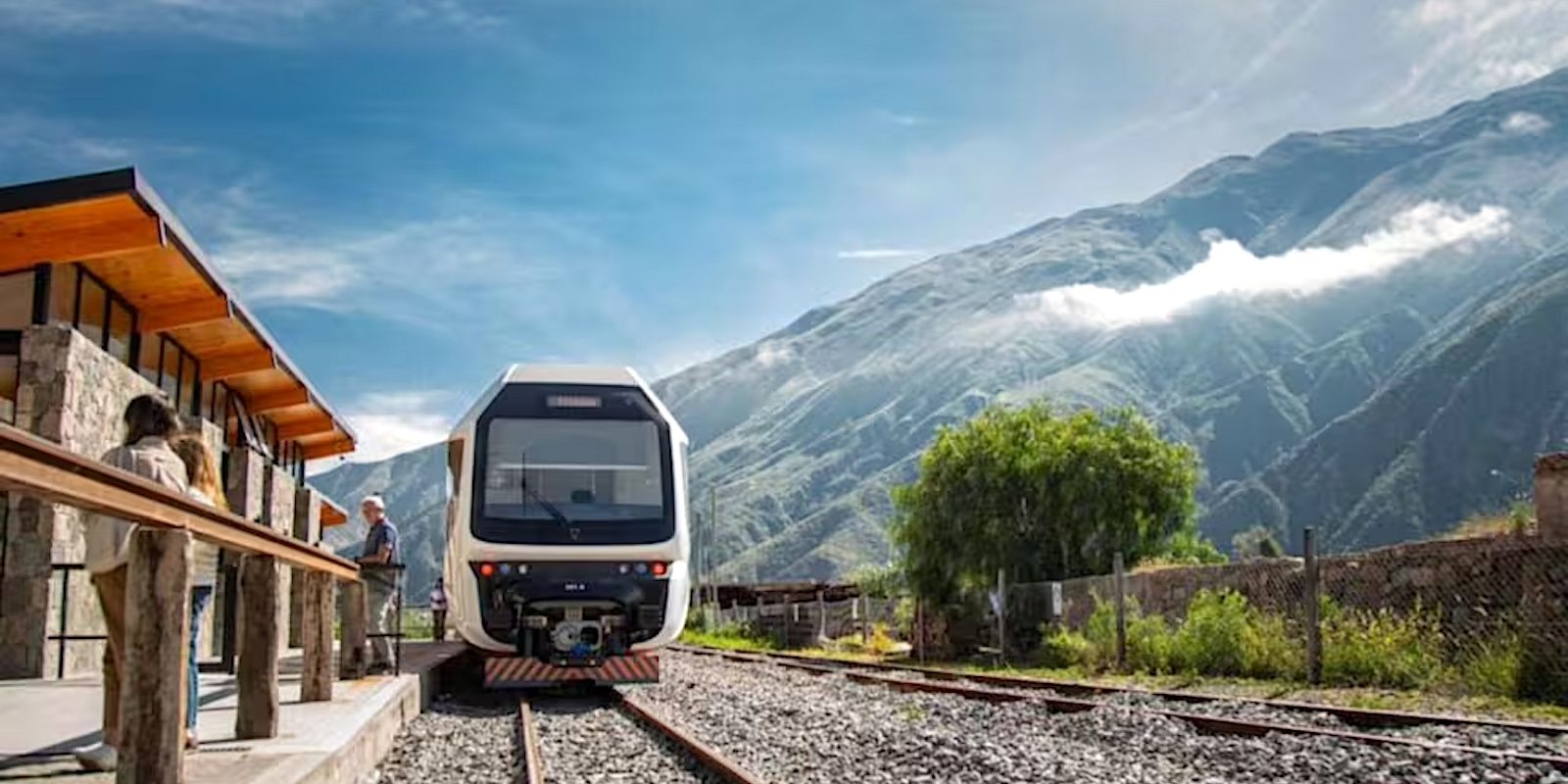
- Tren Solar de la Quebrada celebrated its second anniversary having carried 90,000 passengers through Jujuy province on a restored 42 km (~26 mile) railway line through the UNESCO World Heritage-listed Quebrada de Humahuaca.
- The 388-passenger train runs on a 352 kWh li-ion battery pack with regenerative braking, completing the ~52 mile round trip on a single charge — with no combustion anywhere in the system.
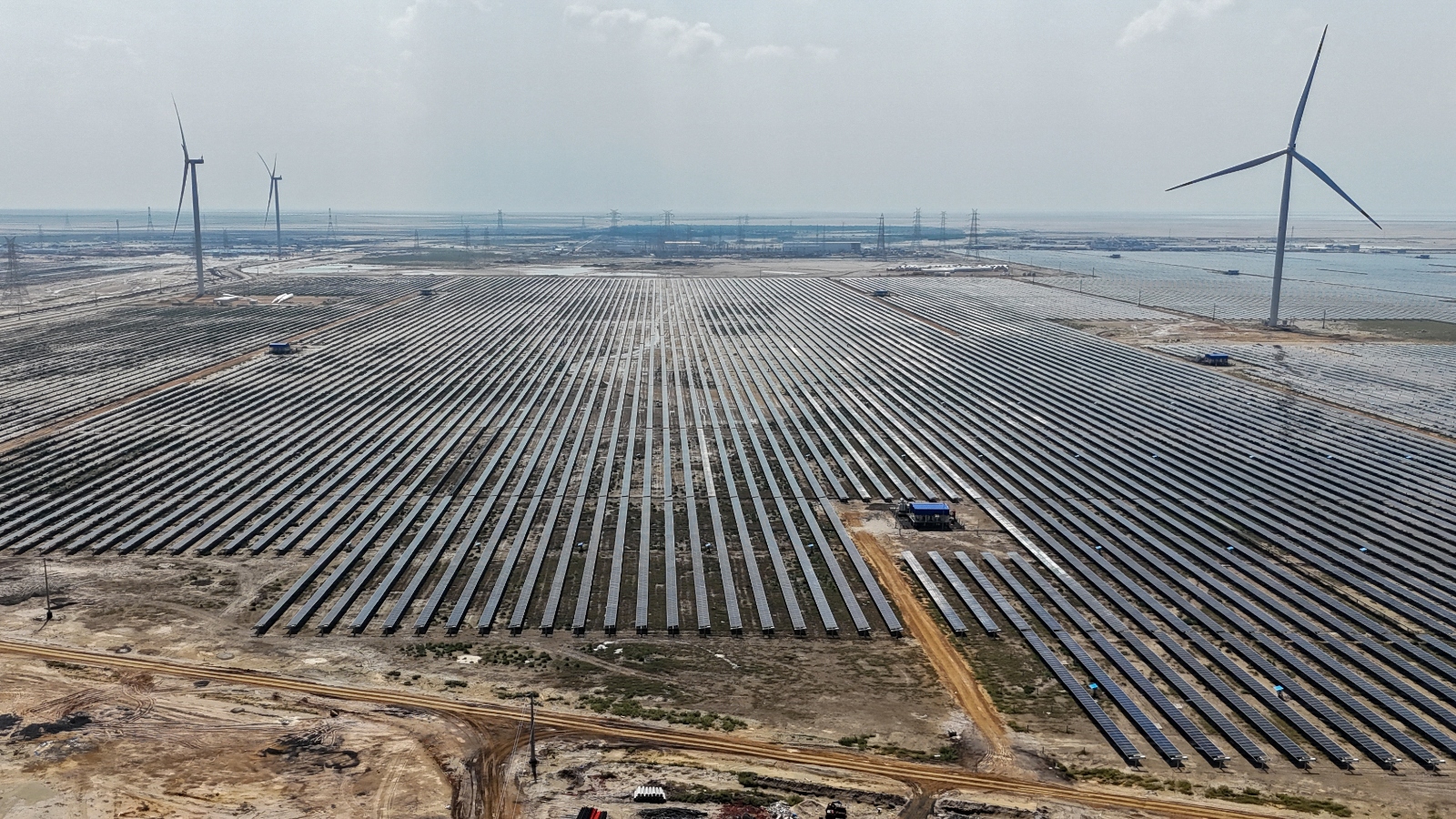
- Six stations along the route are equipped with EV-style chargers, each drawing power from a dedicated 6 MW solar farm backed by stationary battery storage.
- The project's social responsibility program served roughly 1 in 3 of the 90,000 passengers (~30,000 people), per the train's official site, framing the service as a community-access initiative rather than purely eco-tourism.
- The Quebrada de Humahuaca was recognized by UNESCO in 2003 as a trade and migration corridor linking the Andean highlands with the lowlands for more than 10,000 years — the same corridor the restored rail line now follows.
- Phase 1 currently runs between Volcán and Tilcara, with the long-term vision extending the route north to Humahuaca and eventually La Quiaca near the Bolivian border (no published timeline yet).
Why it matters: The Tren Solar de la Quebrada demonstrates that fully solar-powered rail — charged at six stations from a 6 MW solar farm — can sustain commercial-scale passenger service on a heritage route, with 90,000 riders in two years and a built-in social-access program that put roughly 30,000 of those seats in the hands of community members rather than tourists.
Ask SkimNews