A first among major nations, India is industrializing with solar — SkimNews
Get the Energy newsletter
Daily energy & climate — solar, EVs, oil, the policy fights and tech bets shaping the transition. Free.
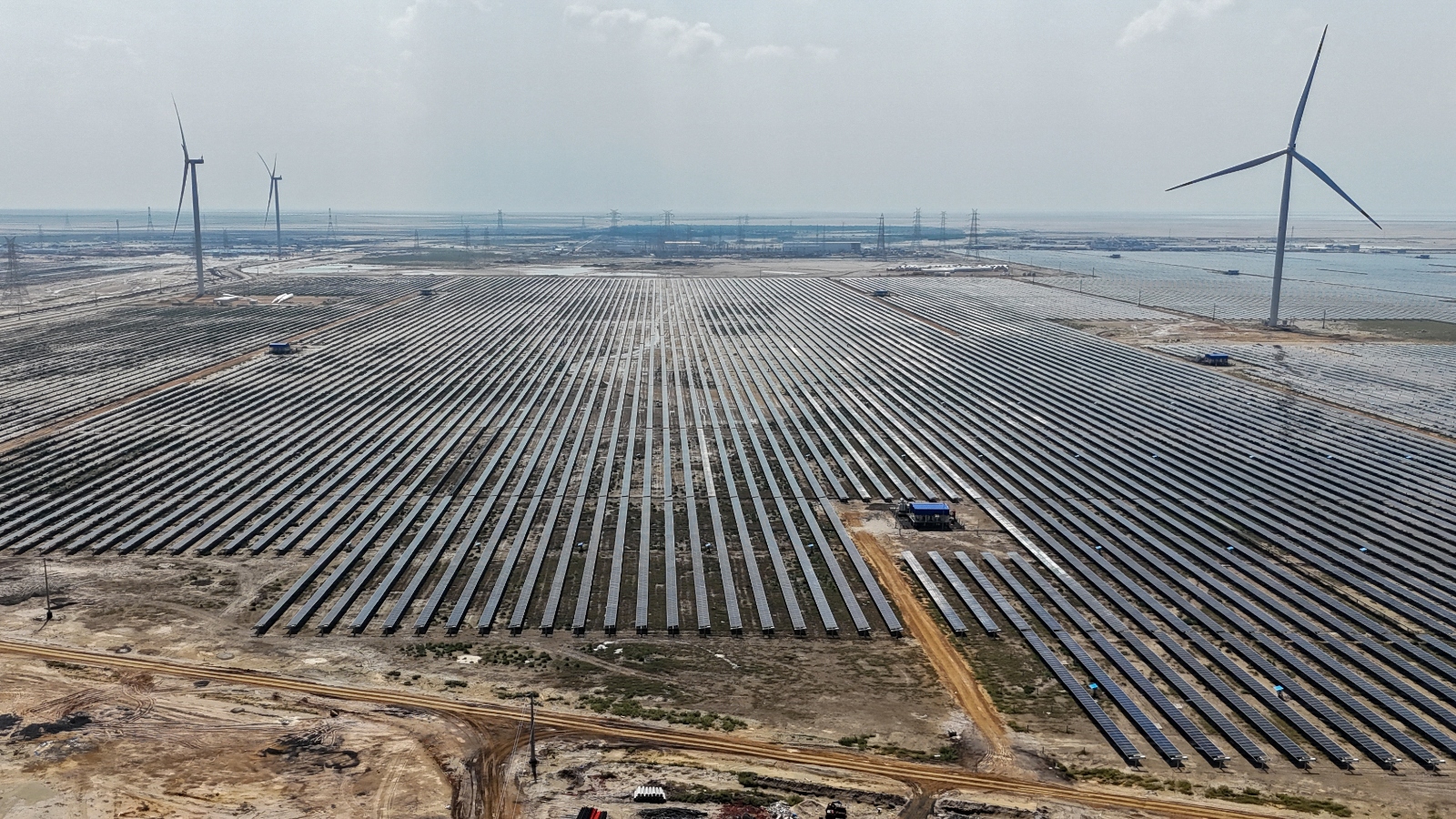
- Khavda solar park will span 280 square miles of the Rann of Kutch, host 60 million panels and deliver 30 GW of power by 2029, enough to supply Austria.
- India’s solar capacity grew 40 % annually, surpassing 150 GW in March, and is projected to double again by 2030.
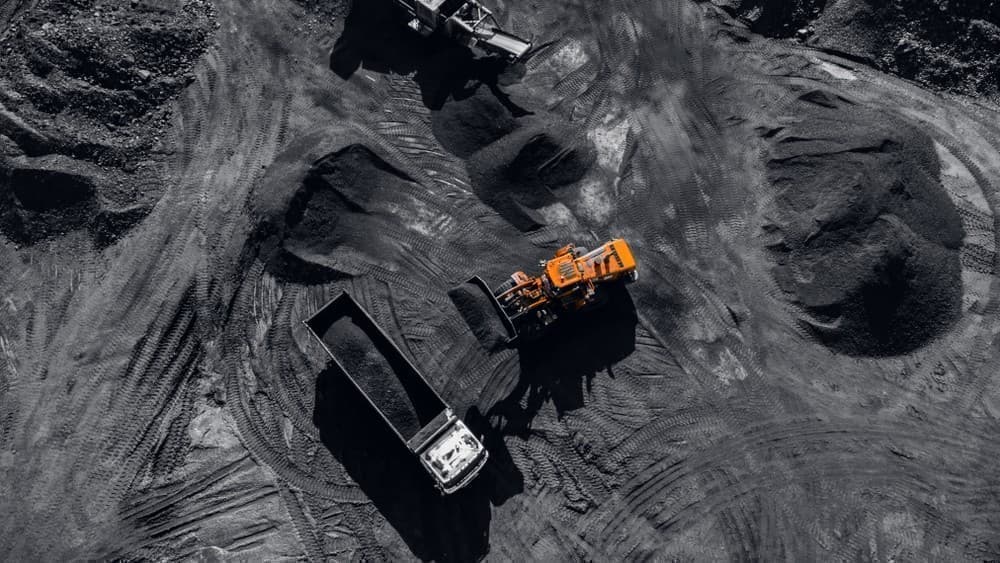
- India is poised to become the first major nation to industrialize primarily with solar, contrasting with China’s coal‑based growth, according to energy strategist Kingsmill Bond.
- International Energy Agency estimates that solar will meet roughly half of India’s electricity demand growth through 2030, with another 25 % supplied by wind, hydro and nuclear.
- India’s policy shift from a 2015 pledge to double coal output to aggressive solar deployment has been driven by falling panel costs and a sunny climate.
Why it matters: India’s manufacturers gain cheap, reliable power, cutting reliance on coal and reducing carbon emissions; the 30 GW Khavda park will slash fuel costs for industry, while coal miners face reduced demand.
Ask SkimNews