India's renewable boom hits grid bottleneck — SkimNews

Get the Energy newsletter
Daily energy & climate — solar, EVs, oil, the policy fights and tech bets shaping the transition. Free.
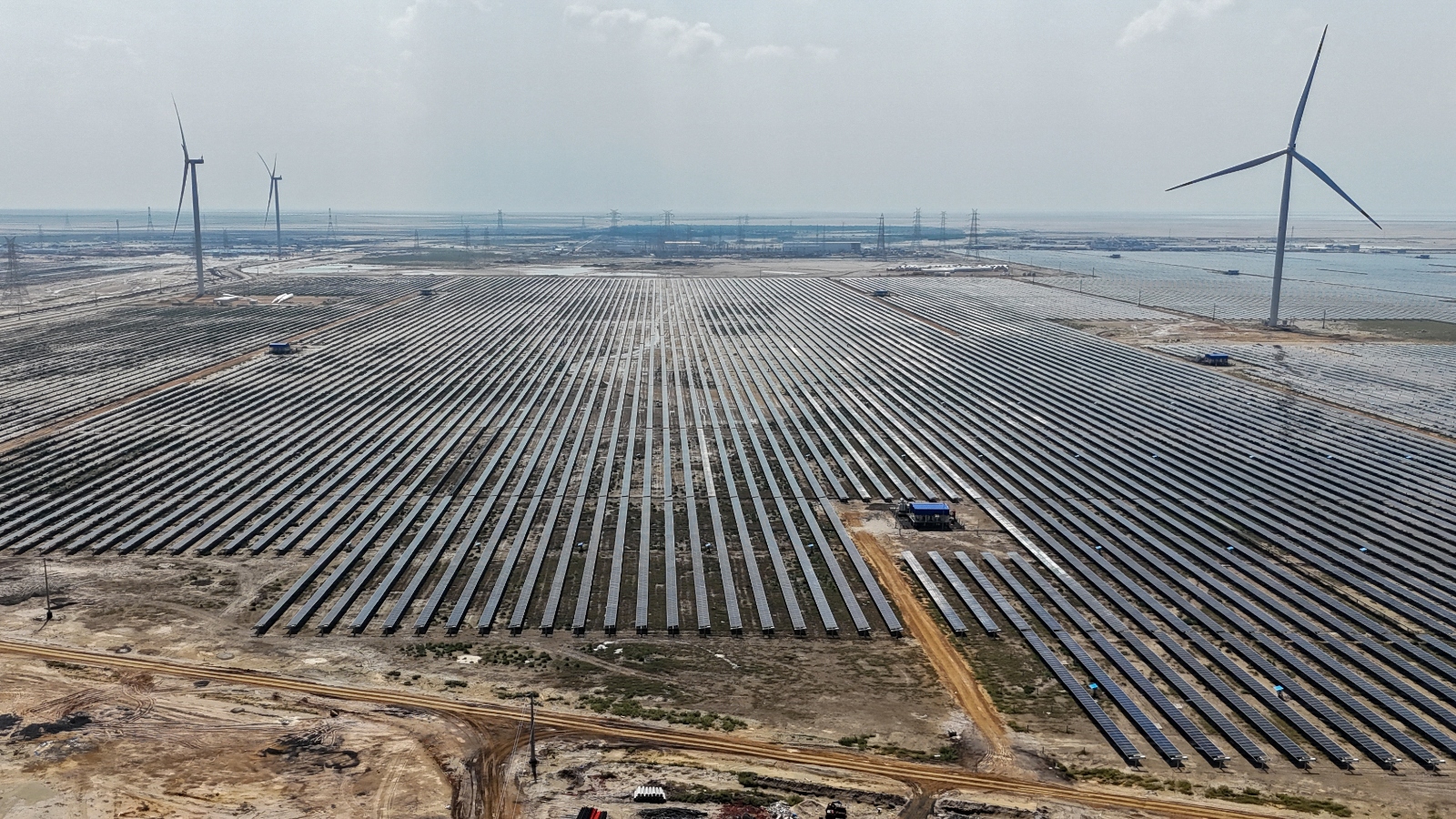
- India's renewable capacity jumped from roughly 4GW a decade ago to 300GW — 54% of its 552GW total installed capacity — meeting its 500GW non-fossil target five years ahead of schedule
- Ember reports Q1 2026 transmission constraints caused nearly two-thirds of India's renewable energy curtailment, wasting 300 GWh, with one in four inter-state transmission projects delayed over a year
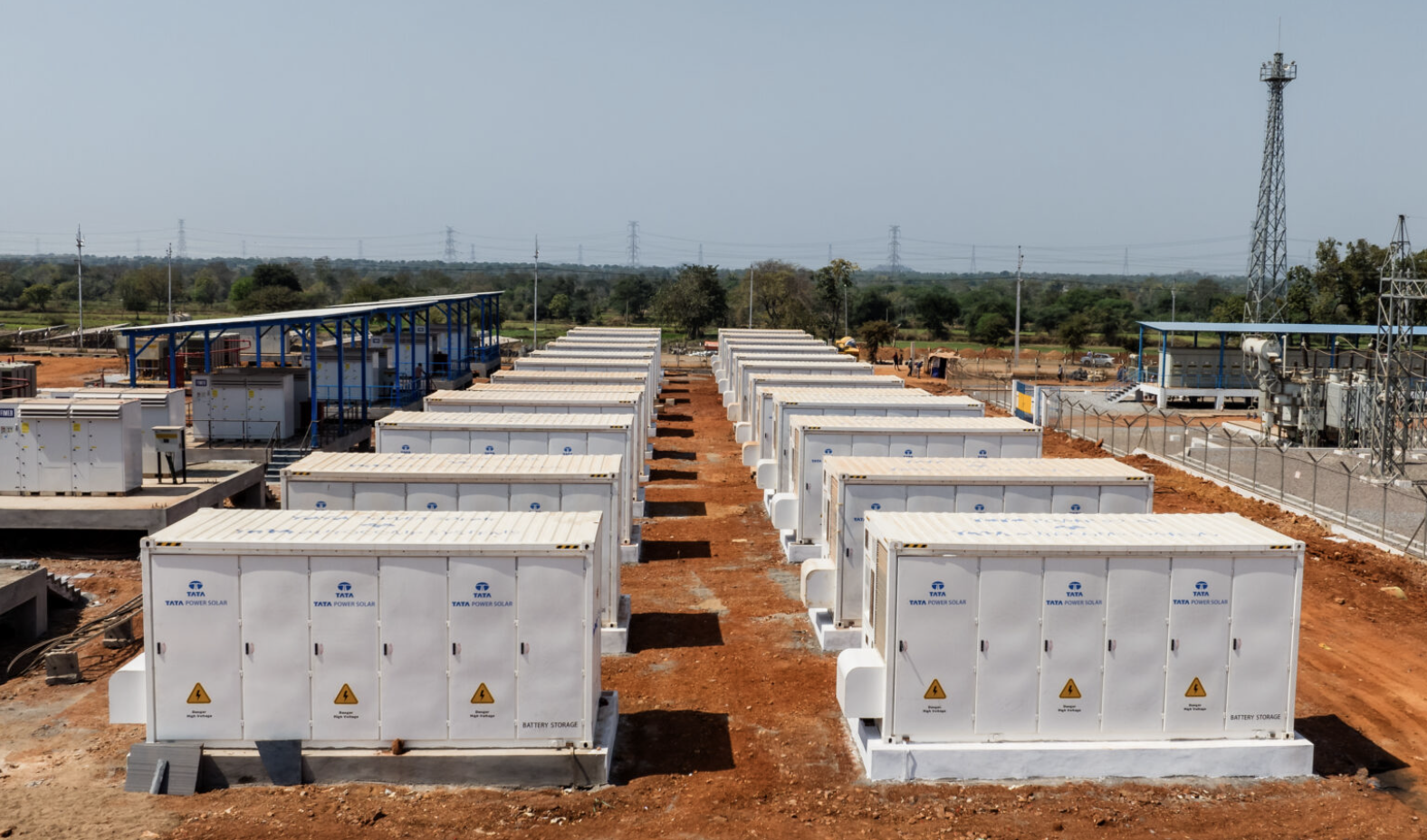
- Battery storage build-out stalled due to price hikes, Middle East war-driven raw material shortages, and Indian currency depreciation that raised financing costs, per Vibhuti Garg of the Institute for Energy Economics and Financial Analysis
- India's grid was designed to absorb 10-15GW of new renewable capacity annually but installations hit a record 51GW last year, according to Garg
- India requires $400-500bn by 2030 to meet its 500GW target, yet 83% of climate mitigation finance is sourced domestically and emerging economies outside China receive just ~15% of global clean-energy investment, per Sumant Sinha, CEO of Nasdaq-listed ReNew Power
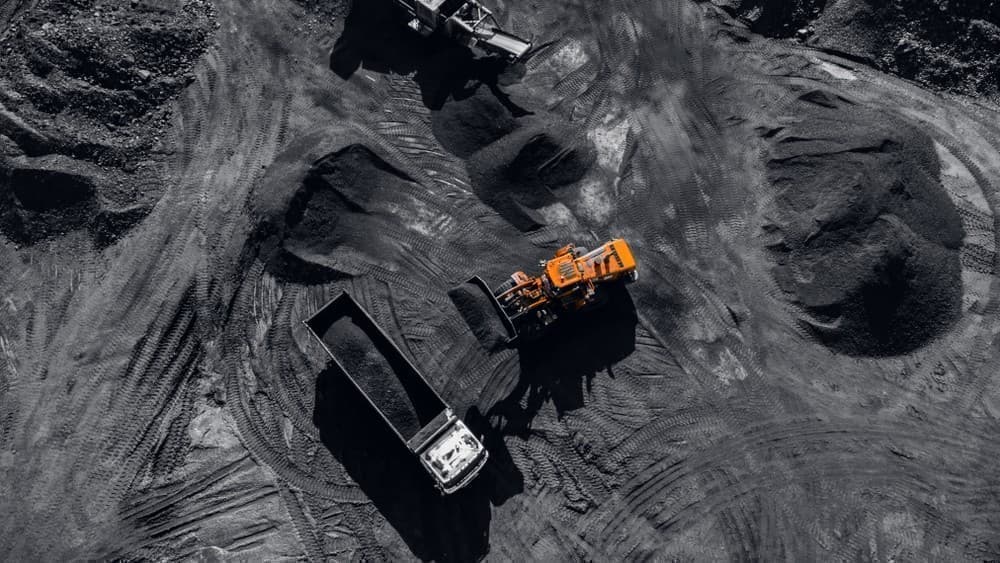
- Coal-fired plants still generate 70% of India's electricity on average because they run more hours than solar or wind, with renewables briefly out-supplying coal for only the second time on a hot July afternoon
- The International Energy Agency projects India's electricity demand will rise 80% by 2035, the steepest jump among emerging economies
Why it matters: India needs $400-500bn by 2030 for its 500GW non-fossil target, yet emerging economies outside China receive only ~15% of global clean-energy investment. With Q1 2026 already seeing 300 GWh of renewable power curtailed and the IEA projecting 80% electricity demand growth by 2035, the world's third-largest emitter's grid bottlenecks now directly threaten global decarbonization.
Ask SkimNews